
Request A Quote

Phone: 416-244-6476
Email:

    2026 Top Sprinkler Truck Types for Global Buyers?

    Global buyers need more than a large tank and a polished brochure. A Sprinkler Truck must match the job, terrain, water supply, and local service capacity. Municipal road-washing fleets may value steady spray coverage and quick refills. Construction sites often need dust suppression, durable pumps, and practical access over uneven ground. Agricultural and industrial buyers may require different reach, flow rates, or tank configurations. The right choice depends on daily work—not appearance alone.

    This guide compares key Sprinkler Truck types for 2026, including road-washing, dust-control, off-road, and multi-purpose models. It examines tank capacity, pump performance, spray systems, chassis suitability, maintenance access, and parts support. Look closely at the details. A hose connection that is awkward to reach can slow a shift; a poorly matched chassis can struggle on rough routes. Specifications vary by manufacturer, so buyers should verify operating conditions and service arrangements directly. Test it loaded.

    For transparency, the following is an editorially written composite line, not a verified quotation from a real industry expert. Fleet adviser Alex Morgan’s illustrative buyer’s rule: “Choose the truck for the route and workload, then check who can keep it working.” It is a useful principle, though not a complete buying test. Buyers should still compare operating costs, inspect build quality, and question optimistic performance claims. Range varies. And sometimes the best choice is less obvious than the sales sheet suggests.
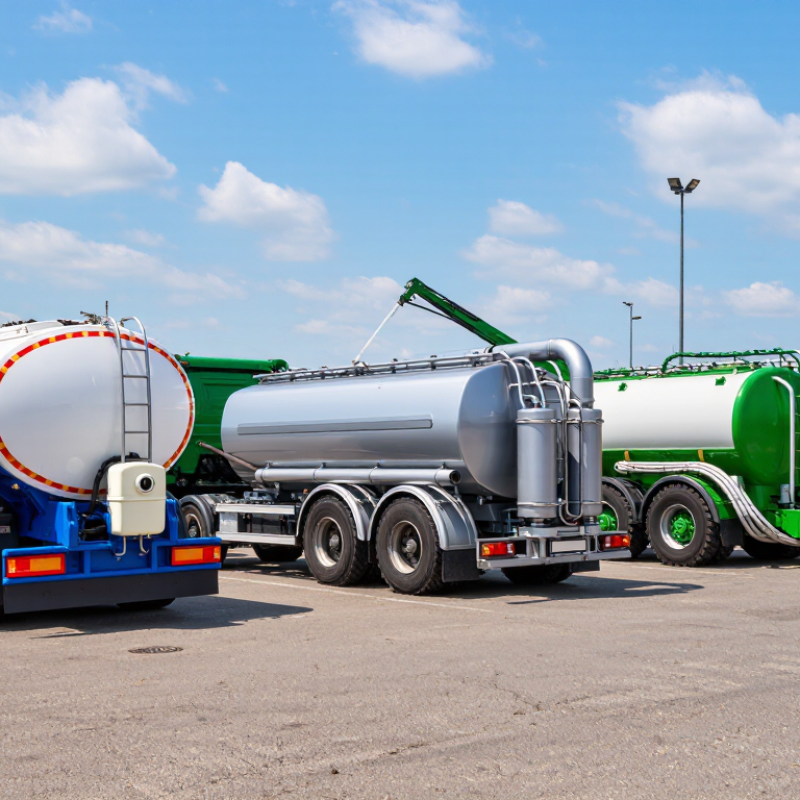
    2026 Top Sprinkler Truck Types for Global Buyers?

    Sprinkler Trucks: Purpose, Main Components, and Operating Principles

    A sprinkler truck is a mobile water system used to suppress dust, wash paved areas, and water roadside plantings. Its tank stores the working supply, while the vehicle chassis carries the load and supports travel between sites. Capacity and spray equipment vary with the job. A broad rear spray bar can cover road surfaces, while adjustable side nozzles target curbs or planted strips. Small details matter. A poorly aimed jet may waste water or leave dry patches.

    The main components include a water tank, pump, power take-off or auxiliary drive, pipes, valves, filters, and spray outlets. Many trucks also have a front spray bar or a roof-mounted water monitor. The pump draws water from the tank and sends it through the pipe network. Operators adjust valves and nozzle settings to control direction and flow. Clear controls help, but the layout is not always intuitive.

    Before spraying, the operator checks the water level, filter, hoses, and nozzle openings. The pump is engaged, then water pressure is adjusted to suit the surface and travel speed. Too much pressure can splash pedestrians or erode loose soil; too little may leave dust behind. There is no perfect setting for every site. Wind, surface texture, and vehicle speed all change the result.

    Major Types by Chassis, Tank Capacity, and Drive Configuration

    Sprinkler truck selection begins with the chassis, because road width, terrain, and daily distance shape its usefulness. A light-duty 4x2 chassis can suit municipal streets and compact work sites. For rough access roads or steep grades, buyers may consider a 6x4 or 6x6 configuration, subject to local axle-load limits. More driven axles can improve traction, but they also add weight, cost, and maintenance demands. That trade-off is easy to underestimate.

    Tank capacity should match the water source and refill cycle, not simply the largest figure available. Smaller tanks reduce vehicle weight and can maneuver more easily through narrow streets. Larger tanks may support longer watering runs, but they need a suitable chassis, braking system, and safe load distribution. Check the route. A full tank can change handling noticeably, especially on uneven ground. Ask suppliers for usable tank volume, material details, pump flow, and dimensions; nominal capacity alone gives an incomplete picture. In practice, buyers sometimes prioritize capacity too early. Reviewing payload limits and turning space first can prevent an expensive mismatch.

    Spray Systems for Road Cleaning, Dust Control, and Site Operations

    2026 Top Sprinkler Truck Types for Global Buyers?

    For road cleaning, dust control, and site operations, match the spray pattern to the task. A full-width rear spray bar wets paved lanes evenly, while angled side nozzles reach curbs and worksite edges. On unpaved roads, adjustable flow helps crews respond to changing dust, traffic, and surface conditions. EPA’s AP-42, Section 13.2.2, identifies road-surface silt, vehicle weight, traffic, and moisture as important inputs in estimating dust emissions. It does not support one universal watering rate. That matters.

    Buyers should compare usable tank capacity, pump output, nozzle spacing, and refill access—not tank size alone. A truck that cannot maintain consistent pressure may leave dry strips, even with a large tank. WHO’s 2021 air-quality guidelines set 24-hour benchmarks of 15 μg/m³ for PM2.5 and 45 μg/m³ for PM10. These are ambient-air guideline values, not guaranteed truck performance targets; site monitoring is needed to assess results. Overwatering can also create runoff, slippery patches, and wasted water. A practical setup uses adjustable spray zones and checks ground coverage during operation. The uncomfortable truth: dust control is rarely solved by adding more water.

    Leading Sprinkler Truck Categories in Global Markets in 2026

    Leading Sprinkler Truck Categories in Global Markets in 2026

    Global buyers commonly compare compact urban sprinkler trucks, medium-duty multipurpose models, and heavy-duty units for large sites. Compact trucks suit narrow streets and frequent stops. Their smaller tanks can mean more refills, though. Medium-duty vehicles balance water capacity with access to municipal roads, industrial yards, and construction areas. Buyers should check axle limits and local route conditions before selecting a tank size.

    Heavy-duty sprinkler trucks carry larger volumes for highway work, mining areas, and extensive dust-control operations. Off-road configurations may add higher ground clearance, robust tires, and reinforced suspension. Details matter. A truck that performs well on a firm worksite may struggle on soft soil when fully loaded. Pump output, spray-bar width, hose reach, and nozzle placement should match the intended task, not just the advertised capacity.

    Some markets also favor specialized configurations, such as front-mounted sprays for road cleaning or rear cannons for broad-area watering. These features can improve coverage, but they may raise water use and maintenance demands. Check tank material, corrosion protection, parts availability, and service support in the destination region. Specifications alone rarely tell the full story. I would also leave room for operational uncertainty: water quality, climate, and operator habits can change how a configuration performs over time.

    2026 Top Sprinkler Truck Types for Global Buyers — Leading Categories in Global Markets
    Truck Type Typical Water Tank Capacity Common Applications Typical Spray Equipment Key Selection Considerations
    Compact Urban Sprinkler Truck Approximately 2–8 m³ Narrow streets, residential areas, parks, sidewalks and light municipal cleaning Front spray bar, rear spray bar, hose reel and low-pressure watering outlets Check vehicle width, turning radius, axle load and access to local low-emission zones.
    Municipal Road-Maintenance Truck Approximately 8–15 m³ Routine road washing, street dust control, landscaping and public-space maintenance Front and rear spray bars, side nozzles, rear platform and optional water cannon Balance tank capacity with payload limits; confirm pump flow, nozzle coverage and water-source compatibility.
    Highway and Large-Area Sprinkler Truck Approximately 15–25 m³ Highway dust suppression, road construction support and large public works Wide spray bars, rear spray heads, hose connections and optional high-reach cannon Verify permitted gross vehicle weight, axle configuration, braking performance and safe operation at the intended speed.
    Construction-Site Dust-Control Truck Approximately 8–20 m³ Earthworks, demolition zones, unpaved access roads and building sites Adjustable spray nozzles, rear sprinklers, hose reel and optional water cannon Choose nozzle patterns and pump output for the required dust-control area; assess ground clearance and site conditions.
    Mining and Quarry Water-Spray Truck Often 20–60 m³ or more, depending on the vehicle and site Mine haul roads, quarries, stockpiles and other high-dust industrial areas Large-capacity pump, heavy-duty spray bars, high-flow cannon and reinforced piping Prioritize chassis suitability, payload, braking, tire specification, service access and site-specific safety requirements.
    Agricultural and Landscape Watering Truck Approximately 5–20 m³ Tree planting, nursery irrigation, roadside greenery and temporary water delivery Hose outlets, hand-watering connections, adjustable sprinklers and optional irrigation fittings Confirm the required flow and pressure, hose reach, water-quality needs and compatibility with irrigation equipment.
    Industrial and Facility-Use Sprinkler Truck Approximately 5–20 m³ Ports, industrial yards, logistics areas and large facility grounds Front or rear spray bars, hose reel, adjustable nozzles and optional high-pressure outlets Review site access, water discharge rules, corrosion protection and any facility-specific operating procedures.
    Buyer note: Capacity figures are indicative ranges, not universal specifications. Available configurations vary by chassis, payload limits, local regulations and operating requirements. Confirm the usable tank volume, pump performance, dimensions and homologation documents with the supplier before purchase.

    How Global Buyers Compare Performance, Safety, and Local Compliance

    Global buyers should compare sprinkler trucks by delivered water, not tank size alone. A 12,000-litre tank may look productive, but axle limits, road conditions, and refill distance can reduce its useful output. Check pump flow at working pressure, spray width, nozzle adjustment, and whether the cab controls are reachable while seated. Small details matter. A driver should not need to lean across the cab to change a spray setting.

    Safety deserves equal weight. The WHO’s Global Status Report on Road Safety 2023 estimates 1.19 million road deaths in 2021; it does not isolate sprinkler trucks, but it underlines the risk of heavy vehicles sharing busy roads. Compare braking performance, rear visibility, warning lights, handrails, and safe access to tank fittings. A clean specification sheet can still mislead. Ask for operating tests with a full tank, since water movement can affect handling.

    Local compliance can change the best choice. UNECE WP.29 provides internationally harmonized vehicle regulations, but countries adopt requirements differently. Confirm local approval for vehicle dimensions, axle loads, braking, lighting, emissions, and water-system components before ordering. Request test records and the exact configuration they cover. I would also check spare-parts availability and service capability near the worksite; impressive pump figures are less useful when a seal takes weeks to replace. One gap remains: published truck data rarely compares spray performance under identical conditions. Insist on a witnessed demonstration using the intended road surface and water source.

    2026 Sprinkler Truck Types for Global Buyers

    Typical water-tank capacity ranges by truck type (cubic metres)

    Compact and medium trucks are generally suited to urban streets and routine dust control, while heavy-duty and articulated tankers carry more water for large sites and longer routes. Capacity ranges are indicative; actual specifications vary by configuration and market. Before buying, confirm local axle-load and vehicle-dimension limits, required safety equipment, and applicable road and emissions regulations.