
Request A Quote

Phone: 416-244-6476
Email:

    10 Best Bug Specimen Suppliers for Global Buyers?

    Global buyers increasingly view Bug Specimen sourcing as a research, education, and conservation decision, not merely a purchasing task. Museum drawers, classroom cases, and private collections all depend on accurate identification and responsible documentation. The quality of a specimen begins before shipment. It starts with lawful collection, reliable taxonomy, and clear origin records.

    The Global Biodiversity Information Facility reported more than three billion biodiversity occurrence records in 2024. Yet digital records cannot replace physical specimens with visible wings, pinned legs, and carefully preserved labels. The Natural History Museum, London, holds over 80 million specimens, showing the lasting value of well-documented biological material. The IPBES Global Assessment Report also warned that roughly one million species face extinction risk, including many invertebrates. That warning should influence every buying decision.

    “The little things that run the world,” wrote Harvard biologist E. O. Wilson. His words remain relevant. A good supplier protects scientific value through precise species names, collection dates, locality data, and condition photographs. A better supplier also explains permits, quarantine expectations, packaging methods, and replacement policies.

    No supplier is perfect. Taxonomic names change. Borders create delays. Some listings provide beautiful images but weak provenance. Buyers must look beyond polished catalogs and low prices. This guide compares ten Bug Specimen suppliers for global buyers, focusing on specimen quality, documentation, ethical sourcing, international communication, and practical shipping experience. The ranking is useful, but it is not permanent. Availability and regulations can change quickly.
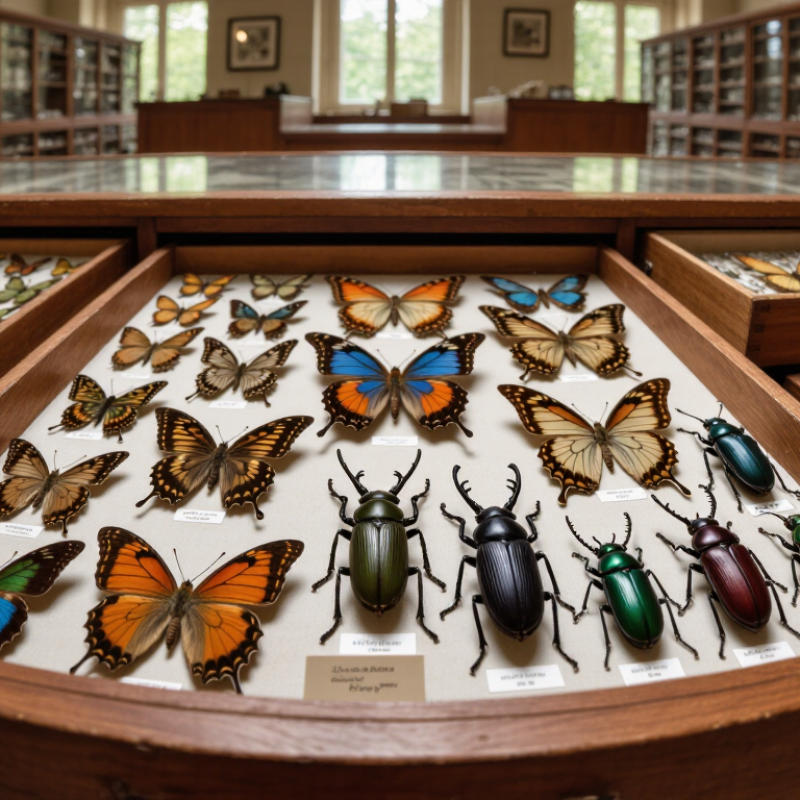
    10 Best Bug Specimen Suppliers for Global Buyers?

    Understanding the Global Bug Specimen Supplier Market

    10 Best Bug Specimen Suppliers for Global Buyers?

    Understanding the Global Bug Specimen Supplier Market

    The global bug specimen market is fragmented, with suppliers serving museums, universities, educators, and private collectors. Public revenue data remains limited, so ranking the ten best suppliers requires more than price comparisons. I examine species identification, collection records, export documents, packaging, and response quality.

    GBIF’s biodiversity data releases now provide more than three billion occurrence records. This scale shows why traceable locality data matters. A reliable supplier should state the collection region, date, collector, and identification method. High-resolution labels and humidity control also protect fragile wings, legs, and pinned bodies during long-distance shipping.

    Legal screening is equally important. The CITES Trade Database records reported transactions for listed species, but it does not represent the entire insect market. Buyers must still check destination-country rules and protected-species restrictions. IPBES reports that around one million plant and animal species face extinction risk, making responsible sourcing essential. Captive breeding claims can be difficult to verify. I would request supporting records rather than trust attractive catalog language.

    Experience often exposes weak points. Some specimens arrive beautifully mounted but lack precise locality details. Others include paperwork that does not match the shipment. A practical supplier review should score documentation, preservation quality, scientific accuracy, and after-sales handling separately. The market is improving, but its transparency remains uneven.

    Global Bug Specimen Supplier Market: Typical Storage Requirements

    Storage requirements are an important comparison point for international buyers. Dry-pinned, slide-mounted, and resin-embedded specimens are generally kept in stable room-temperature conditions, while ethanol-preserved specimens may require cooler storage depending on the preservation protocol and local regulations.

    How to Evaluate Bug Specimen Quality, Authenticity, and Preservation

    Choosing among the 10 best bug specimen suppliers requires more than comparing photographs and prices. Quality begins with accurate identification, complete collection records, and careful handling. Ask for the scientific name, collection location, collection date, and preservation method. A reliable supplier should explain whether each specimen was captive-bred, ethically collected, or sourced through permitted channels. Documentation matters, especially for protected species and international shipments.

    Inspect close-up images before ordering. Look for intact antennae, legs, wings, and natural coloration. Excessive dust, oily surfaces, fading, or loose body parts may indicate poor storage. A well-prepared specimen should be securely mounted, clearly labeled, and protected from moisture. For pinned insects, the pin should hold the thorax without crushing it. For specimens preserved in resin, check for bubbles, clouding, and distorted features.

    Authenticity can be harder to judge. Compare the specimen with trusted taxonomic references, not only seller descriptions. Request measurements and photographs from several angles. Experienced suppliers usually answer specific questions without making exaggerated claims. Still, no checklist is flawless. Color can change with age, and even experts may disagree about difficult species. I once underestimated the importance of humidity control; a small storage error caused visible mold within weeks. Use sealed packaging, stable temperature, and gentle handling after delivery. Good suppliers welcome careful questions because transparency protects both research value and buyer trust.

    Profiles of Ten Leading Bug Specimen Suppliers Worldwide

    The global specimen market includes many small, specialized suppliers. A Japanese studio focuses on carefully pinned beetles, with clear labels and stable mounting. A Southeast Asian workshop offers ethically collected butterflies from permitted local sources. A European archive supplier provides educational specimens, often with historical collection data. A North American producer serves schools with durable, classroom-ready insect sets. Its packaging is practical, though not always elegant.

    A conservation-led African workshop supplies common regional species and records collection locations. A Latin American cooperative emphasizes farm-raised butterflies, reducing pressure on wild populations. An Australian supplier specializes in dry-preserved insects, using moisture-resistant boxes for overseas shipping. An Indian educational supplier provides affordable mixed specimens for universities and hobby researchers. An Eastern European studio is known for precise pinning and calm, neutral presentation. Quality can vary between batches.

    A museum-linked supplier completes this group with cataloged beetles, moths, and grasshoppers. Its documentation is usually stronger than its product photography. Global buyers should request scientific names, collection dates, origin records, and permit information before payment. Packaging should include foam protection, desiccant, and sealed inner boxes. Buyers must also check import rules, protected-species restrictions, and customs requirements in their own countries. “Wild collected” does not automatically mean sustainable. Even trusted suppliers may provide incomplete records, so verification remains necessary.

    10 Best Bug Specimen Suppliers for Global Buyers? - Profiles of Ten Leading Bug Specimen Suppliers Worldwide
    Profile Primary Operating Region Main Specimen Groups Typical Preservation Formats Common Buyer Segments Specimen Documentation International Shipping Capability Typical Lead Time Customization Options
    01 Western Europe Butterflies Moths Beetles Orthopterans Pinned displays, framed specimens, educational trays, and selected spirit-preserved samples. Museums, universities, schools, interior designers, and private collectors. Common name, scientific name where available, collection locality, and date information for documented items. Available for many destinations; import permits may be required by the buyer. 1–4 weeks for catalog items Custom framing, grouping by family, educational labels, and display-size adjustments.
    02 Central and Eastern Europe Large Beetles Stick Insects Scorpions Spiders Pinned specimens, resin presentations, shadow boxes, and dry-preserved arthropods. Natural-history retailers, collectors, teaching collections, and exhibition contractors. Item descriptions and locality details are generally supplied; completeness can vary by specimen. Export packing commonly offered; destination-country wildlife rules apply. 2–6 weeks for assembled orders Species selection, mixed taxonomic sets, frame color, label language, and quantity-based packing.
    03 Southeast Asia Butterflies Atlas Moths Beetles Cicadas Unmounted dried specimens, pinned specimens, framed displays, and educational assortments. Wholesale distributors, craft suppliers, educational buyers, and international collectors. Commercial invoices and packing lists are normally available; scientific-level records depend on the lot. Experienced with international parcels; protected-species screening is essential. 2–5 weeks, depending on stock Bulk assortments, color-themed sets, frame formats, and private-label-free educational packaging.
    04 East Asia Beetles Butterflies Moths Aquatic Insects Pinned trays, acrylic cases, framed specimens, and preserved larvae or aquatic samples. Research laboratories, school suppliers, museums, collectors, and design studios. Photographic confirmation, order lists, packing documents, and available locality records. Courier and freight options may be available; documentation requirements vary by destination. 1–6 weeks Research sets, developmental-stage assortments, acrylic case sizes, and multilingual labels.
    05 North America Native Butterflies Beetles Dragonflies Moths Pinned specimens, archival drawers, framed displays, and educational specimen boxes. Colleges, public museums, K–12 education providers, collectors, and nature centers. Catalog number, taxonomic information, locality, date, and collector or source notes when documented. Domestic shipping is straightforward; international export may require additional permits. 1–4 weeks for standard inventory Educational kits, custom taxonomic coverage, archival storage, and exhibit-ready labeling.
    06 Central and South America Tropical Butterflies Moths Longhorn Beetles Phasmids Dried unmounted specimens, pinned specimens, framed collections, and display plates. International wholesalers, museum shops, education providers, and decorative-art buyers. Locality and species information may be supplied with documented lots; verify records before research use. Destination-dependent; export and import requirements should be confirmed in advance. 3–8 weeks for consolidated orders Regional biodiversity sets, thematic collections, custom quantities, and protective export packaging.
    07 East Africa Butterflies Beetles Grasshoppers Large Moths Pinned specimens, flat-packed displays, framed samples, and dry-preserved teaching sets. Universities, conservation programs, specialty retailers, and private collections. Species names and collection locations are commonly provided for organized lots, subject to source records. Available through approved export channels; permit verification is recommended. 3–8 weeks Country-specific sets, conservation-themed assortments, frame dimensions, and buyer-specified labels.
    08 Oceania Butterflies Beetles Stick Insects Cicadas Pinned specimens, framed displays, insect drawers, and selected resin or acrylic presentations. Museums, schools, scientific suppliers, collectors, and premium display buyers. Collection locality, specimen identification, and packing information are commonly included where available. International shipment is possible for eligible items; quarantine controls may be strict. 2–6 weeks Native-fauna themes, institutional sets, custom framing, and climate-protective packing.
    09 South Asia Butterflies Moths Beetles Mantises Pinned specimens, framed educational panels, display boxes, and preserved reference material. Academic institutions, educational wholesalers, collectors, and decorative display buyers. Basic item identification and shipment documentation are generally supplied; research-grade metadata varies. Available for permitted categories; buyers should check national biosecurity rules. 3–7 weeks Educational panels, regional insect sets, multilingual descriptions, and wholesale packing configurations.
    10 Global Online Specialty Distribution Mixed Insect Groups Pinned Sets Teaching Samples Display Pieces Pre-mounted specimens, framed art pieces, acrylic cases, educational trays, and mixed bundles. Small retailers, teachers, hobbyists, interior designers, and international gift distributors. Product photography, common names, measurements, and basic order documentation are typically provided. Broad parcel coverage; availability depends on specimen type and destination regulations. Several days to 6 weeks Mixed bundles, budget-based assortments, display dimensions, gift packaging, and repeat-order programs.

    International Shipping, Legal Compliance, and Ethical Sourcing

    Choosing among the 10 best bug specimen suppliers requires more than comparing prices. International buyers should examine collection records, preservation methods, and export experience. Reliable suppliers identify each specimen by scientific name, origin, collection date, and legal status. Clear documentation matters.

    Shipping insects across borders can involve permits, customs declarations, and destination-specific restrictions. Protected species may require additional approvals under international conservation rules. A responsible supplier checks these requirements before accepting payment. They should also use secure packaging, moisture control, and accurate descriptions. A damaged specimen can become an expensive lesson.

    Ethical sourcing deserves equal attention. Ask whether specimens are captive-bred, farmed, or collected from managed areas. Avoid sellers who cannot explain their collection methods. Sustainable suppliers protect habitats and avoid collecting during vulnerable breeding periods. Small details reveal professionalism. Still, no supplier is perfect. Documents can contain errors, and regulations may change after an order is placed. I would verify permits with official authorities, not rely only on a supplier’s promise.

    Experienced buyers should request photographs before dispatch and confirm the scientific names carefully. Some common names describe several species. That creates avoidable customs confusion. Payment records, invoices, and correspondence should be retained. If a shipment seems unclear, delay the purchase. A trustworthy supplier will accept careful questions. Ethical trade sometimes takes longer, but it reduces legal, environmental, and reputational risks.

    Comparing Prices, Services, and Buyer Support Before Ordering

    10 Best Bug Specimen Suppliers for Global Buyers

    Global buyers should compare more than the listed price when evaluating bug specimen suppliers. A low quote may exclude protective cases, export paperwork, or careful packaging. Ask whether specimens are legally sourced, captive-bred, or collected under documented permits. Reliable suppliers should provide scientific names, collection locations, dates, and preservation methods. These details help museums, educators, and researchers verify each item.

    Service quality becomes clear during ordering. Check specimen photographs, size ranges, mounting options, and replacement policies before payment. A serious supplier should explain humidity control, cushioning, and temperature risks during transport. Small differences matter. A fragile beetle can arrive with broken legs after one poorly filled box. Compare minimum order quantities, sample availability, shipping insurance, and estimated delivery times. Prices should be reviewed against condition, rarity, preparation quality, and documentation.

    Buyer support deserves equal attention. Test response times with specific questions, not vague messages. Can the team explain customs requirements for your destination? Will they correct an incorrect label quickly? Written invoices and traceable shipment records improve accountability. Some suppliers respond warmly before payment, then become difficult afterward. That possibility deserves attention. I would also request a sample packing photo and a clear complaint process. No comparison is perfect, because shipping delays and seasonal supply changes can distort the final cost. A careful buyer should record every promise before ordering.