Best Electric Water Heater for Your Home in 2026?
In 2026, choosing the right Electric Water Heater is more important than ever. With rising energy costs and an increased focus on sustainability, selecting an efficient model can significantly impact your utility bills. Homeowners are looking for reliable solutions that provide comfort and reduce energy consumption.
Electric Water Heaters offer a range of options to suit different needs. From tankless models that save space to traditional units with larger capacities, there is something for everyone. However, many may overlook the importance of energy ratings and features like smart technology. Not every model performs efficiently, and finding the right fit can be challenging.
While some people may be drawn to cheaper models, this can lead to long-term costs that outweigh initial savings. Research is essential. Make a checklist of your family’s hot water needs. Factor in local climate conditions too, as this can influence performance. An informed choice will lead to better satisfaction and reliability for years to come.
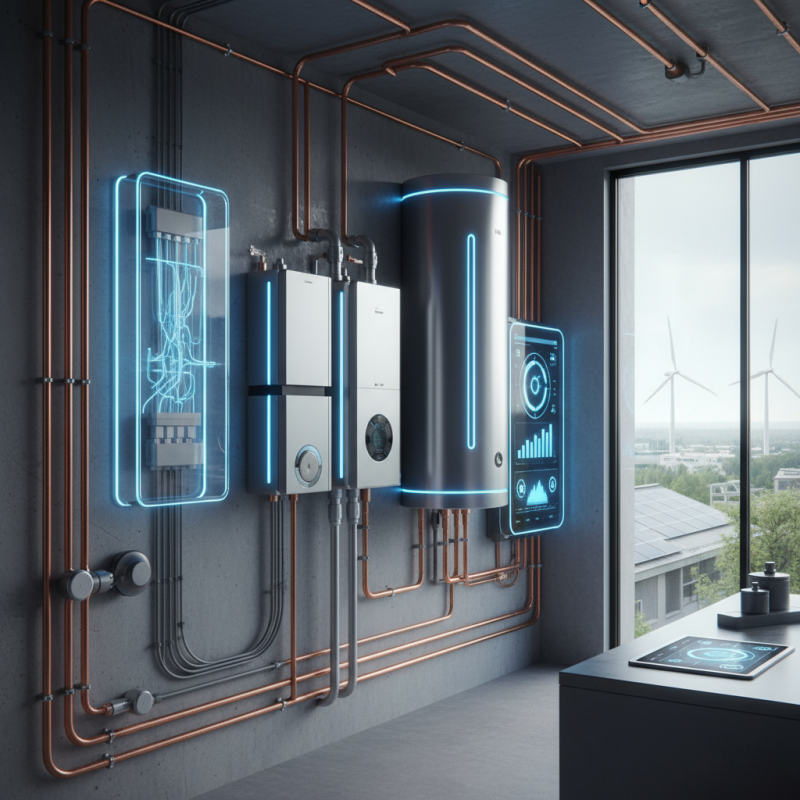
Best Electric Water Heater Types Available in 2026
When choosing an electric water heater in 2026, understanding the types available is crucial. Electric tank water heaters are popular for their straightforward installation and reliable hot water supply. They maintain a reservoir of heated water, ensuring availability but can consume more energy over time. Homeowners should assess their hot water needs carefully, as these units are best for households with consistent hot water usage.
On the other hand, tankless electric water heaters are gaining traction. These units heat water on demand, providing a limitless supply. They are compact and energy-efficient. However, some users report challenges with installation and upfront costs. Understanding the layout of your home can help determine if a tankless system meets your needs effectively.
Hybrid heaters blend traditional tank systems with heat pump technology. They promise higher energy savings and can be an excellent option for eco-conscious consumers. Still, these models can be complex. Users may need support during installation and maintenance. Reflecting on these aspects will aid in making a more informed decision for your home.
Key Features to Consider When Choosing an Electric Water Heater
When choosing an electric water heater, consider energy efficiency. Look for models with a high Energy Factor (EF) rating. A higher EF means lower energy use. This translates to cost savings on your utility bills. Many home systems operate inefficiently, creating hidden expenses. Monitoring your water heater's performance is essential.
Next, think about capacity. Electric water heaters come in various sizes. The right size depends on your household needs. A family of four typically requires a larger unit than a single person. An undersized heater can lead to lukewarm showers, while an oversized one wastes energy.
Installation and maintenance play crucial roles. Proper installation ensures safety and optimal performance. Regular maintenance can extend the life of your heater. Some owners neglect routine checks, leading to potential problems. Look out for leaks or unusual noises. Small issues can escalate quickly if ignored. Thus, investing time in selecting the right unit is important.
Top Brands and Models of Electric Water Heaters for 2026
When choosing an electric water heater for your home in 2026, various factors come into play. Energy efficiency is key. Many models now offer advanced technology, promoting lower energy consumption. This not only reduces utility bills but also helps mitigate environmental impact. However, not every model is perfect. Some units may have heating issues or require frequent maintenance.
User-friendly features are becoming standard in top models. Digital displays and smart controls make operation easier. Yet, these features can sometimes lead to confusion for less tech-savvy users. It's essential to consider the learning curve involved. Additionally, water heater sizes vary significantly. Oversized units may waste energy, while undersized ones could fail to meet hot water needs.
Brand reputation and customer support should also influence your choice. Reliable manufacturers often provide better warranties and customer service. Researching user reviews can illuminate common issues. Remember, what works for one household may not suit another. Individual needs and preferences play a significant role in making the right selection.
Energy Efficiency Ratings and Their Importance for Electric Water Heaters
Energy efficiency ratings play a crucial role in selecting the best electric water heater for homes. These ratings indicate how effectively a heater converts energy into hot water. A higher rating means lower energy costs and reduced environmental impact. Understanding these ratings helps homeowners make informed decisions.
When considering an electric water heater, look for units with Energy Star certifications. These units meet strict efficiency guidelines set by regulatory bodies. They can save households significant money on utility bills. However, not all heaters are created equal. Some may have high energy ratings but can be inefficient in real-world usage. Buyers should examine both the stated ratings and independent reviews for comprehensive insights.
The importance of energy efficiency extends beyond cost savings. Efficient water heaters reduce greenhouse gas emissions, contributing to a healthier planet. However, not every household will benefit the same way. Factors like usage patterns and climate can influence overall efficiency. Homeowners need to reflect on their specific needs to select the most suitable option. Balancing personal requirements with efficiency can be challenging yet rewarding.
Maintenance Tips for Prolonging the Life of Your Electric Water Heater
Regular maintenance of your electric water heater can enhance its lifespan significantly. Studies suggest that a well-maintained water heater can last up to 15 years, while neglect can reduce its lifespan to just 8 years. One crucial step in maintenance is flushing the tank annually. This process removes sediment buildup that can impede heating efficiency. Neglecting this can lead to higher energy bills, as the heater works harder to heat water.
It's also essential to inspect the anode rod every three years. This rod protects the tank from corrosion. If it’s worn out, replacing it can prevent serious damage to the tank. Additionally, insulate the water heater and the hot water pipes to maintain temperature and reduce energy consumption. Some reports indicate that proper insulation can lower heating costs by 10% to 20%.
Check the temperature setting on your thermostat. The U.S. Department of Energy recommends a setting of 120°F for optimal performance. Higher settings not only waste energy but can also lead to scalding. As you maintain your electric water heater, consider these small yet vital steps. Reflect on your current practices and see where improvements can be made.
Best Electric Water Heater for Your Home in 2026
| Model | Capacity (Gallons) | Energy Efficiency Rating | Heating Element Type | Average Lifespan (Years) | Estimated Annual Cost |
| Model A | 50 | Energy Star | Immersion Heater | 10 | $300 |
| Model B | 30 | Above Average | Tankless | 15 | $250 |
| Model C | 80 | Exceeds Standards | Dual Heating Element | 12 | $450 |
| Model D | 40 | Energy Star | Conventional | 10 | $350 |
