Request A Quote

Phone: 416-244-6476
Email:

    Best PVC Well Casing Options for Efficient Water Wells?

    When it comes to drilling efficient water wells, choosing the right materials is crucial. PVC well casing stands out due to its versatility and durability. According to a 2022 industry report by the National Ground Water Association, PVC well casings are preferred in over 70% of new water well installations. An expert in this field, Dr. Emily Carter, states, “PVC well casings provide unmatched reliability and longevity for water extraction.” This emphasizes the importance of selecting quality materials for sustainable water resources.

    However, not all PVC well casing options are created equal. The market offers various grades and specifications. Factors such as depth, groundwater conditions, and installation techniques play significant roles in performance. Many engineers suggest that improper selection or installation can lead to premature failure. This can be costly and detrimental to water supply systems. Understanding the unique requirements of each project is vital for effective well construction and maintenance.

    Despite the benefits, misconceptions about PVC well casing persist. Some believe alternatives are more suitable without acknowledging the advancements in PVC technology. Continuous education in this industry is essential. Stakeholders must ensure they adopt materials aligned with modern standards and sustainability practices.
    Best PVC Well Casing Options for Efficient Water Wells?

    Types of PVC Well Casing Materials and Their Properties

    When selecting PVC well casing, understanding material types is crucial. PVC, or polyvinyl chloride, is favored for its durability and resistance to corrosion. Industry data suggests that PVC well casing can last over 50 years in appropriate conditions. This longevity makes it a top option for water well projects, especially in regions with high groundwater mineral content.

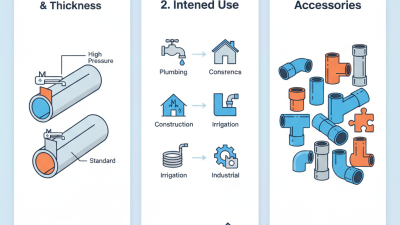
    There are several types of PVC well casing materials, each with unique properties. Schedule 40 PVC is the most common choice. It provides a balance of strength and flexibility. Schedule 80 PVC, on the other hand, offers greater thickness and higher pressure resistance. It's ideal for deeper wells or harsher environments. However, both types can be vulnerable to UV degradation if exposed. A protective coating might be necessary to extend their lifespan.

    In addition, the choice of casing size plays a significant role in performance. A wider casing can enhance water flow and reduce the risk of obstructions. However, using excessively wide casings may increase installation costs and complexity. It's essential to carefully analyze well depth and water characteristics before making a decision. Overall, while PVC well casings present many advantages, careful consideration is required to optimize their use.
    Key Factors to Consider When Choosing PVC Well Casing

    Best PVC Well Casing Options for Efficient Water Wells?

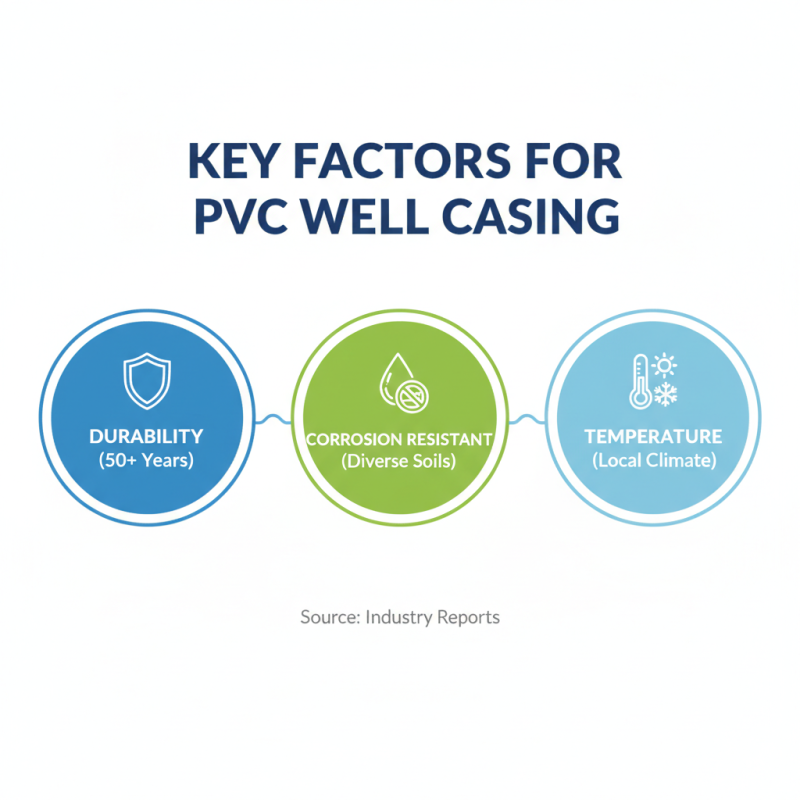
    When selecting PVC well casing, several critical factors come into play. Durability is often at the forefront. PVC casings can last over 50 years, according to various industry reports. Their resistance to corrosion makes them suitable for many soil conditions. However, their performance can be compromised by extreme temperatures. Knowing the local climate is essential when making your choice.

    Water quality is another important consideration. PVC does not leach harmful substances into the groundwater. Research indicates that PVC materials meet NSF/ANSI standards for safe drinking water. Nonetheless, not all PVC products are created equal. Investigating the manufacturer’s specifications and certifications can prevent future issues.

    Installation can also affect the overall efficiency of your water well. Proper installation minimizes the risk of contamination and reduces maintenance. According to the Geological Society, 30% of well failures happen due to improper casing installation. Engaging an experienced contractor may be beneficial. Ultimately, taking the time to evaluate all these factors can lead to a more efficient water well.

    Installation Techniques for PVC Well Casing in Water Wells

    When installing PVC well casing, preparation is key. Start by ensuring the well site is clear of debris. A clean area reduces the chance of contamination. Always check for underground utilities before commencing work. Digging without clearing can lead to accidents.

    Proper alignment of PVC casing is crucial. Use a level to ensure verticality. This step may seem tedious, but it’s vital for the durability of the well. Misalignment can lead to issues later on, like water infiltration. Always take your time with this stage.

    Tips:

    Use joint tape to secure connections. This extra step helps maintain integrity.

    Check local regulations before installation. They can provide guidance and prevent future problems.

    Inspect the casing regularly. Over time, wear and tear can occur, affecting efficiency.

    Maintenance and Longevity of PVC Well Casings

    Best PVC Well Casing Options for Efficient Water Wells?

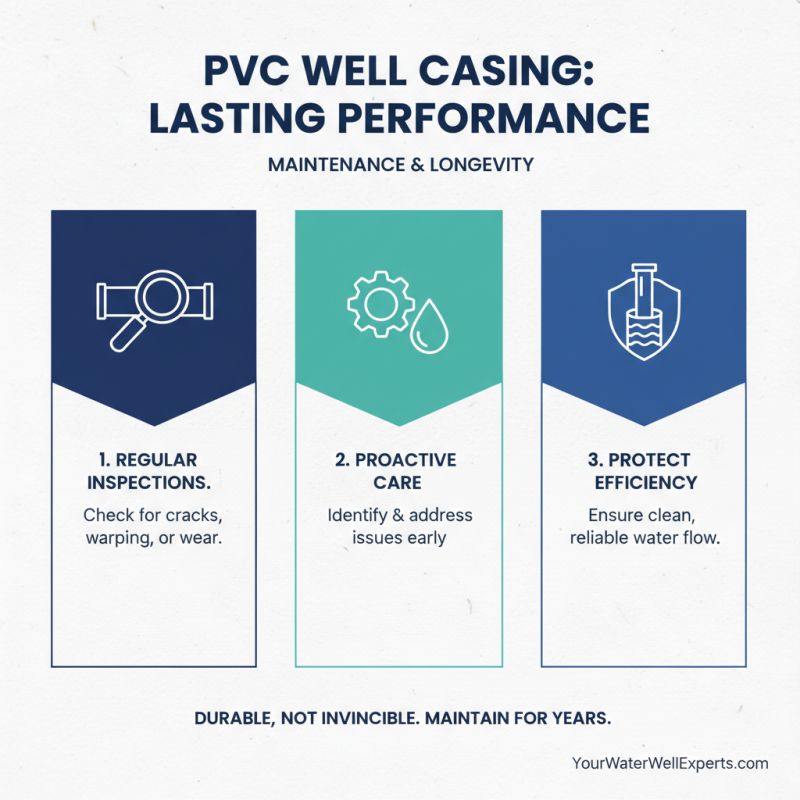
    When considering the longevity of PVC well casings, proper maintenance is key. PVC is durable, but it's not invincible. Regular inspections can help identify potential issues early. Check for cracks, warping, or any signs of wear. These elements can compromise the efficiency of your water well.

    Tips: Use a flashlight to look inside the casing. This can reveal hidden problems. Don't hesitate to ask for help if needed.

    Another crucial aspect is cleanliness. Keeping the well area free from debris can prevent contamination. Any build-up may lead to issues with water quality and flow. It's essential not to neglect this step.

    Tips: Schedule cleaning tasks regularly. A simple brush and a bucket of water might suffice. Consider seasonal checks to stay ahead.

    Comparative Analysis of PVC vs. Other Well Casing Options

    When choosing a casing for water wells, PVC is gaining popularity. It is lightweight and resistant to corrosion. Studies show that PVC casings can last over 100 years with proper installation. This durability is crucial in regions prone to acidic soils. In contrast, metal options often corrode, leading to frequent replacements.

    According to industry data, PVC is 30% cheaper than steel options in installation costs. This cost-effectiveness draws many well-drillers. However, some experts argue that PVC’s lower temperature tolerance raises concerns. In extreme conditions, it may crack or warp. This aspect needs careful consideration, especially in varying climates.

    Environmental factors also influence material choice. PVC is less prone to bacterial contamination than metal. Yet, it is essential to monitor the surrounding soil for any leaching substances. Balancing cost, durability, and environmental safety is vital for efficient water wells. Flexibility in choosing materials ensures that specific site conditions are not overlooked.

    Best PVC Well Casing Options for Efficient Water Wells

    Casing Material Life Span (Years) Corrosion Resistance Installation Cost ($/ft) Maintenance Requirements
    PVC 50+ Excellent 3-5 Low
    Steel 20-30 Moderate 7-10 Moderate to High
    Fiberglass 30-50 Excellent 5-8 Low
    Concrete 50+ Poor 8-12 High