
Request A Quote

Phone: 416-244-6476
Email:

    What Is a CCS Busbar and What Types Are Available?

    A CCS Busbar is the conductive backbone of a battery cell contacting system. It links cells or cell groups while supporting voltage monitoring and, in many designs, temperature sensing. Think of a compact assembly of copper or aluminum conductors, insulation, and sensing connections, fitted close to the cells. Small details matter. A poorly matched layout can complicate assembly, inspection, and maintenance.

    Demand is growing. The International Energy Agency’s Global EV Outlook 2024 reports that electric-car battery demand reached about 750 GWh in 2023. Its Batteries and Secure Energy Transitions report also examines how rising battery demand affects manufacturing and supply chains. These reports do not prescribe one busbar design. They do show why reliable, repeatable battery connections matter as production scales. A reported market total cannot tell you which CCS architecture suits a particular pack.

    This guide explains what a CCS Busbar does and how common types differ, including stamped metal designs, flexible circuit-based systems, and hybrid assemblies. Each approach brings trade-offs in current capacity, routing flexibility, insulation, cost, and integration. Some packs need a rigid, straightforward connection; others benefit from thin sensing circuits that bend around cell rows. There is no universal winner. The awkward part is that product names and configurations vary between suppliers, so comparisons need careful checking. We’ll look at the construction, use cases, and selection factors behind each type.

    What Is a CCS Busbar and What Types Are Available?

    What Is a CCS Busbar and How Does It Work?

    A CCS busbar commonly refers to a copper-clad steel busbar. It combines a steel core with a bonded copper layer. The copper helps conduct electricity, while the steel adds stiffness and mechanical strength. This construction can be useful where a busbar must support connected equipment or span a fixed distance. The exact performance depends on the copper thickness, dimensions, joints, and operating conditions.

    In a system, the busbar provides a shared path for current between sources, switches, and loads. Current enters through a bolted or clamped connection, travels along the bar, and leaves through another connection. For example, a cabinet busbar may link a power supply to several outgoing circuits. Its resistance creates some heat and voltage drop, so designers check current rating, temperature rise, and fault forces. Connections matter a lot. A loose joint can heat up even when the bar itself is correctly sized. CCS is not automatically a direct substitute for solid copper; compare conductivity and installation requirements before specifying it. I would verify the actual material construction, too, since terminology can vary between suppliers.

    Tips: Keep contact faces clean and evenly tightened. Follow the equipment maker’s torque guidance, and inspect for discoloration or looseness during maintenance. Small details count.

    Core Components and Materials of a CCS Busbar

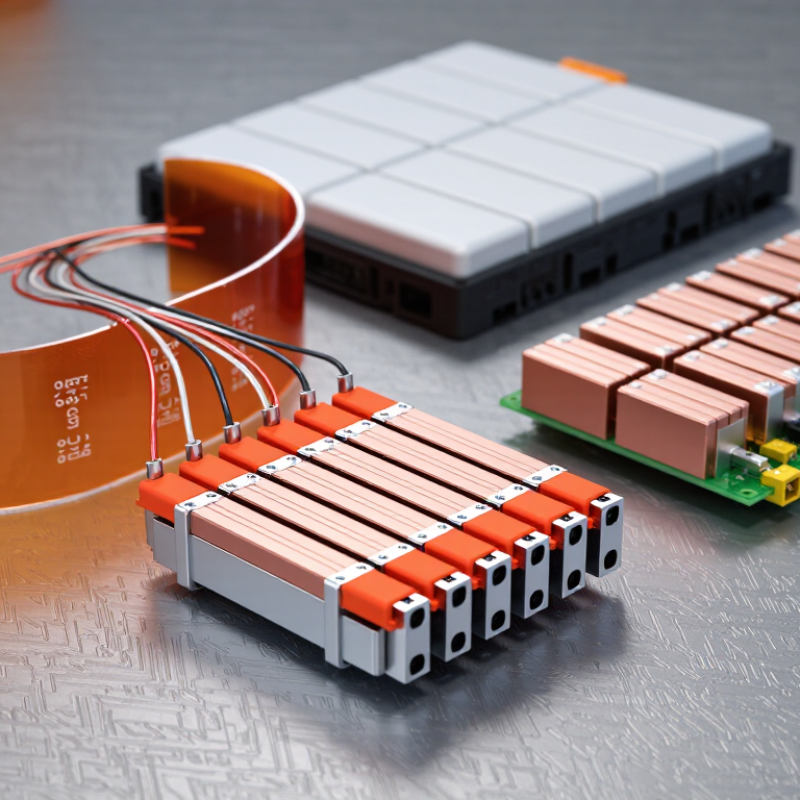
    A cell contacting system (CCS) busbar combines electrical conductors with parts that organize and monitor battery cells. Its main current-carrying elements are usually shaped metal strips, often copper or aluminum. Copper offers strong electrical conductivity, while aluminum is lighter and may suit designs where mass matters. Neither material is automatically best; current, heat, space, and joining methods all affect the choice.

    The busbars sit within an insulating carrier, commonly molded from engineering plastic. This frame keeps conductors positioned and helps prevent unintended contact. Small sensing circuits, attached to a flexible printed circuit or circuit board, can measure cell voltage and sometimes temperature. Fine wires or conductive traces connect measurement points to the monitoring system. The arrangement varies by pack design.

    Welds or other approved joints connect the busbars to cell terminals. These interfaces deserve close inspection: uneven joints can raise resistance and create localized heating. Insulation thickness, clearances, and material durability also matter under vibration and temperature cycling. In practice, the neat drawing rarely shows every assembly tolerance. A slight bend may complicate installation, and that detail is easy to underestimate. The whole assembly must be checked as a system, not as a collection of isolated parts.

    How a CCS Busbar Connects Battery Cells

    In a battery pack, CCS usually means cell contact system, not a charging connector. It links cell terminals through conductive busbars arranged to create series or parallel groups. A carrier holds the bars in position, while sensing circuits monitor cell voltage and sometimes temperature. Small details matter: a poorly seated connection can add resistance, create heat, or complicate inspection.

    Connections may use welded joints, bolted terminals, or other methods suited to the cell design. The busbar layout must match terminal position, current load, insulation spacing, and service needs. The International Energy Agency reported nearly 14 million electric car sales worldwide in 2023, about 18% of total car sales, in its Global EV Outlook 2024. That growth makes dependable pack connections increasingly important. But the neat diagram can mislead; real packs face vibration, thermal cycling, and tight assembly tolerances. There is no single layout. Engineers validate joints and sensing paths for the specific pack, because a simple-looking link can be a weak point.

    How a CCS Busbar Connects Battery Cells

    A CCS busbar assembly uses conductive links to connect cell terminals. In a series connection, adding cells increases the pack’s nominal voltage.

    Illustrative values use a nominal voltage of 3.2 V per lithium iron phosphate cell. Parallel connections increase capacity, not nominal voltage.

    Common Types of CCS Busbars

    Common CCS busbars are grouped by shape and construction. Flat, rigid bars are widely used inside switchgear and electrical cabinets. Their broad faces make it easier to arrange bolt holes and connect terminals. Round or shaped profiles may suit compact assemblies, though fit depends on the enclosure. CCS uses a steel core with a copper layer; dimensions and cladding thickness affect electrical performance. Check the design data, not appearance alone.

    Flexible laminated CCS busbars consist of thin joined layers that can bend slightly around nearby components. They help where vibration or tight clearances make a rigid bar awkward. Insulated versions add a protective covering, useful when conductors sit close together. Bare bars are easier to inspect, but need suitable spacing and support. Details matter. Current capacity depends on the bar’s size, connections, temperature, and cooling conditions. A neat-looking joint can still create a hot spot if contact surfaces are poorly prepared. Type names also vary between suppliers, so compare drawings and specifications carefully.

    Factors for Choosing a CCS Busbar Type

    A CCS busbar, or cell contacting system, links battery cells through conductive paths and sensing connections. Available designs include rigid stamped conductors, flexible laminated assemblies, and hybrids with integrated sensing circuits. The right type depends on pack geometry and operating conditions. Fit matters.

    Start with peak current, cell spacing, and the pack’s cooling route. Copper offers high conductivity; aluminum may reduce mass, but its joints need careful engineering. Check vibration, insulation clearances, thermal expansion, and whether technicians can inspect or replace connections.

    The IEA’s Global EV Outlook 2024 reports that electric-car battery demand exceeded 750 GWh in 2023, about 40% above 2022. At this scale, repeatable assembly and traceable quality checks are practical selection criteria.

    Rigid busbars suit stable, tightly controlled layouts. Flexible laminates can accommodate movement and uneven cell spacing. Hybrid CCS designs combine both, useful when sensing leads must cross a compact module.

    Ask for resistance, temperature-rise, vibration, and insulation test results under your expected duty cycle. Bench data can reassure. Pack-level validation still matters.