
Request A Quote

Phone: 416-244-6476
Email:

    What Is the CD-612B-4 Six-Sided Drill Used For?

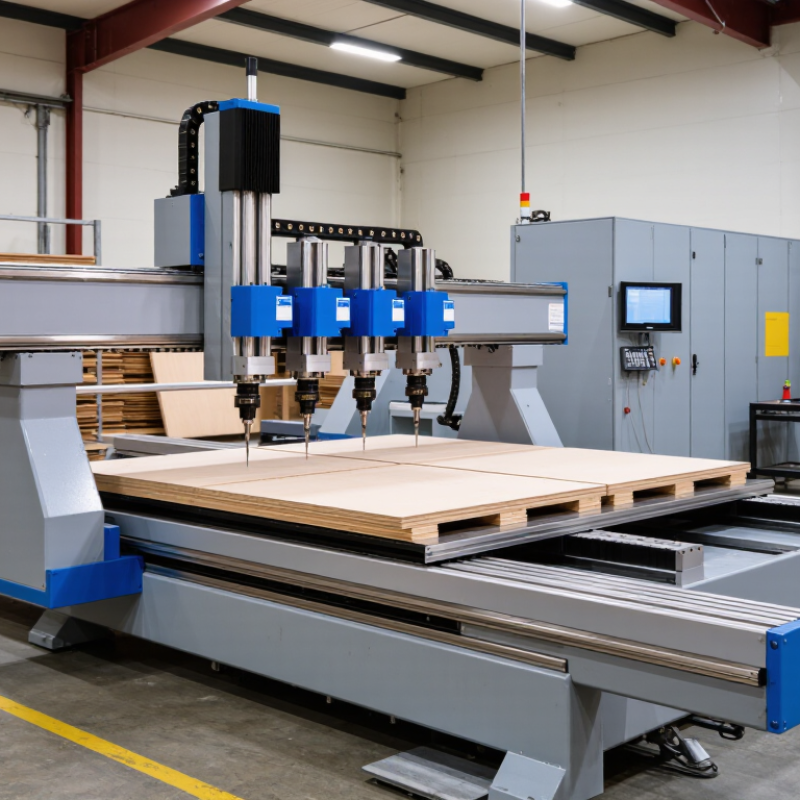
    The CD-612B-4 Six-sided Drill is designed for high-throughput panel processing, especially in cabinet, furniture, and custom interior production. Its core purpose is to drill multiple faces of a workpiece in one setup. That can reduce repositioning, alignment errors, and idle handling time. The machine may process dowel holes, confirmat holes, shelf-pin holes, and selected routing patterns, depending on its tooling and software configuration.

    Industry reports from Grand View Research and MarketsandMarkets describe growing demand for CNC woodworking equipment, driven by shorter production cycles, customized furniture, and labor-saving automation. These reports support the wider market direction, but they do not independently verify every specification of this model. The manufacturer’s technical sheet remains essential. So do commissioning records.

    Manufacturing strategist Dr. Tim Shinbara has emphasized that “technology adoption must be tied to measurable business value.” That principle fits this machine well. Buyers should compare drilling speed, positioning accuracy, tool-change time, dust extraction, software compatibility, and service access. Small details matter. A clean six-sided workflow can shorten production time, but poor programming can erase those gains.

    The practical answer is straightforward: the CD-612B-4 Six-sided Drill is used to complete multi-face drilling operations with fewer manual steps. However, its real value depends on panel dimensions, material thickness, tooling, operator training, and production volume. A careful evaluation should include sample runs, maintenance requirements, and actual cycle-time measurements. Marketing claims alone are not enough.
    What Is the CD-612B-4 Six-Sided Drill Used For?

    What the CD-612B-4 Six-Sided Drill Is

    The CD-612B-4 is a six-sided drill with a hexagonal working design. Its six-sided shape helps the tool seat firmly in a compatible chuck or holder. This connection can reduce slipping when steady torque is needed. It is not automatically a drill for making six-sided holes.

    In practical use, the CD-612B-4 can support controlled drilling in materials suited to its bit type. Common tasks may include preparing pilot holes, enlarging existing openings, or fitting fasteners. The exact material range depends on the cutting edge, diameter, and recommended operating speed. Wood and plastic usually require different handling than thin metal or masonry.

    Check the bit condition first.

    A worn edge creates heat, vibration, and uneven holes. I would also confirm the holder size before operation, because a close fit matters more than appearance. Keep the drill aligned with the surface and apply moderate pressure. Excessive force may damage the bit or workpiece. That distinction is easy to miss. The model name identifies a specific six-sided drill configuration, but it does not replace the manufacturer’s technical specifications. My own inspection would include the shank, cutting edges, and any visible cracks before each job.

    Key Design Features of the CD-612B-4

    The CD-612B-4 six-sided drill is designed for controlled drilling in workshop, maintenance, and installation tasks. Its six-sided profile helps transfer turning force from the chuck to the tool. This can reduce slipping during steady, moderate-pressure operation.

    The geometry also supports better alignment than a completely round shank. A stable connection matters when drilling repeated holes in wood, plastics, or suitable light-gauge materials. The tool’s compact form can improve access in narrow spaces. However, its performance depends on the correct speed, bit condition, and workpiece. A six-sided design does not make every material safe to drill. That assumption needs reconsideration.

    Tips: Check the shank for wear before use. Secure the workpiece firmly. Choose a bit suited to the material. Keep pressure even, rather than forcing the drill. Short pauses can prevent excessive heat. Follow the equipment’s rated limits, because exact specifications may vary between configurations.

    In practical use, the design is most valuable when consistent torque and quick tool changes matter. The sides give the operator a clear reference during insertion. They may also help maintain a more predictable grip inside a compatible chuck. Still, alignment should be checked by hand before powering the tool. Small errors can produce wandering holes, surface damage, or premature wear. Calibration is easy to overlook.

    What Is the CD-612B-4 Six-Sided Drill Used For? - Key Design Features of the CD-612B-4

    Data Dimension CD-612B-4 Information Practical Significance
    Machine Type Six-sided CNC drilling machine Performs drilling operations on the upper, lower, front, rear, left, and right faces of a panel.
    Primary Use Precision hole-making for flat furniture panels and cabinet components Supports construction holes, shelf-pin holes, dowel holes, connector holes, and hinge-related drilling.
    Workpiece Material Commonly used with wood-based sheet materials, including MDF, particleboard, plywood, and laminated panels Suitable for mass-producing components used in modular furniture and interior fittings.
    Six-Sided Access Drilling capability from six panel faces in one automated setup Reduces repeated repositioning, manual alignment, and handling between separate drilling stages.
    Drilling Directions Vertical and horizontal drilling on the relevant panel surfaces Allows holes to be produced on panel faces and edges without changing the basic workholding setup.
    CNC Positioning Computer-controlled positioning based on programmed hole coordinates Improves repeatability when producing identical or variant panels from digital production data.
    Workholding Method Automated panel support and clamping during the drilling cycle Helps keep panels stable and limits movement that could affect hole position or drilling quality.
    Tool Configuration Multiple drilling spindles arranged for different drilling orientations Enables several hole patterns and drilling directions to be completed efficiently.
    Production Workflow Panel loading, automatic positioning, multi-face drilling, and panel unloading Fits batch production and furniture lines that require consistent processing across many parts.
    Accuracy Benefit Programmed drilling coordinates and controlled tool movement Helps maintain consistent hole spacing, depth, and alignment across repeated components.
    Main Efficiency Advantage Combines multiple drilling operations in a single machine cycle Can reduce setup time, intermediate storage, manual handling, and the need for several separate machines.
    Typical Applications Cabinet parts, wardrobe panels, office furniture panels, shelving components, and modular interior products Best suited to manufacturers needing repeatable six-face drilling for customized or standardized panel products.

    How the Six-Sided Drilling Process Works

    What Is the CD-612B-4 Six-Sided Drill Used For?

    How the Six-Sided Drilling Process Works

    The CD-612B-4 six-sided drill is designed to machine holes across multiple faces of one workpiece. It is useful for parts that need accurate openings on several sides. Instead of repositioning the material repeatedly, the machine holds it in a controlled fixture. This reduces setup time and limits errors caused by manual handling.

    The process begins with careful loading and alignment. Clamps secure the workpiece without crushing its surfaces. The control system then positions drilling tools around the required faces. Each spindle approaches from a planned direction and cuts at a suitable speed. Coolant may reduce heat, while chip removal keeps the hole clean. The machine can drill different diameters, depths, and patterns during one cycle.

    The result depends heavily on preparation. A small alignment error can affect every hole. I have found that checking the first piece saves more time than correcting a full batch. Operators should verify tool condition, fixture pressure, and program coordinates before production. Measurement tools can confirm hole position and depth after machining. The six-sided method is efficient, but it is not automatically perfect. Material movement, worn cutters, or poor chip evacuation can still reduce accuracy. Careful inspection remains essential, especially when parts must fit tightly with other components.

    Typical Applications of the CD-612B-4

    What Is the CD-612B-4 Six-Sided Drill Used For?

    Typical Applications of the CD-612B-4

    The CD-612B-4 is designed for multi-sided drilling of flat wooden panels. It can process the top, bottom, front, rear, and side surfaces in one programmed cycle. This reduces repeated positioning and helps maintain hole alignment. Typical work includes cabinet sides, shelves, wardrobe panels, drawer components, and office furniture parts. It is especially useful for dowel holes, shelf-pin holes, hinge cups, and connector openings.

    Furniture factories use this type of equipment when batch consistency matters. The U.S. Bureau of Labor Statistics’ 2024 Occupational Outlook Handbook projects a 2% employment decline for woodworkers from 2023 to 2033. That trend encourages manufacturers to improve productivity through automation. A six-sided drilling system can also reduce manual handling between operations. Less movement means fewer opportunities for measurement errors. Usually.

    Its practical value depends on the material and production plan. Melamine-faced boards, plywood, MDF, and laminated panels may require different cutting speeds and drill settings. Operators should check edge quality, chip-out, dust extraction, and tool wear during each shift. OSHA identifies wood dust and unguarded machinery as important workplace hazards, so enclosure systems and effective extraction remain essential. The machine is not a replacement for judgment. Poor programming can still produce perfectly repeated mistakes.

    Operating and Safety Considerations

    What Is the CD-612B-4 Six-Sided Drill Used For?

    Operating and Safety Considerations

    The CD-612B-4 six-sided drill is used to machine multiple faces of a cabinet panel or furniture component. It can drill holes on the top, bottom, sides, front, and rear surfaces in one controlled cycle. This reduces repeated repositioning and helps maintain hole alignment. In production, that matters when dowels, hinges, connectors, and fasteners must meet tight assembly tolerances. The machine is most effective when operators confirm panel dimensions, drilling coordinates, and tool condition before loading material. A rushed setup can create a precise mistake.

    Safety begins before the spindle starts. Operators should verify guarding, access-door interlocks, emergency stops, and dust extraction. Lockout procedures are necessary during maintenance, cleaning, and tool changes. Loose clothing, jewelry, and unsecured hair create avoidable hazards near moving equipment. Eye protection and suitable hearing protection should be selected from the site risk assessment.

    OSHA’s 2023 injury data recorded about 2.6 million nonfatal workplace injuries and illnesses in private industry, showing why routine controls cannot be treated as paperwork. HSE’s 2023/24 statistics also reported around 1.7 million workers affected by work-related illness in Great Britain.

    Dust exposure, noise, and awkward loading positions deserve attention. The weak point is often human behavior. A checklist can still become theater if supervisors ignore small deviations.

    Operators should stop the cycle when vibration, unusual noise, dust leakage, or poor hole quality appears. A short pause is cheaper than a damaged panel or injured hand.