How to Choose the Best Pipe Supplies for Your Project?
When embarking on a project that requires pipe supplies, making informed choices is crucial. Expert John Smith, a leading authority in the plumbing industry, emphasizes, “Choosing the right pipe supplies can make or break your project.” With numerous options available, understanding specific needs is essential.
The quality of your pipe supplies affects durability and performance. Selecting the wrong materials may lead to leaks or failures. For instance, PVC may be suitable for drainage, but not for high-pressure applications. It’s vital to consider the project requirements before purchasing.
Additionally, budget constraints often influence decisions. While cheaper options may save money upfront, they can lead to higher costs in repairs. Investing in reliable pipe supplies enhances longevity, resulting in fewer issues down the road. Carefully assess all factors to ensure a successful outcome for your project.
Understanding Different Types of Pipe Materials and Their Uses
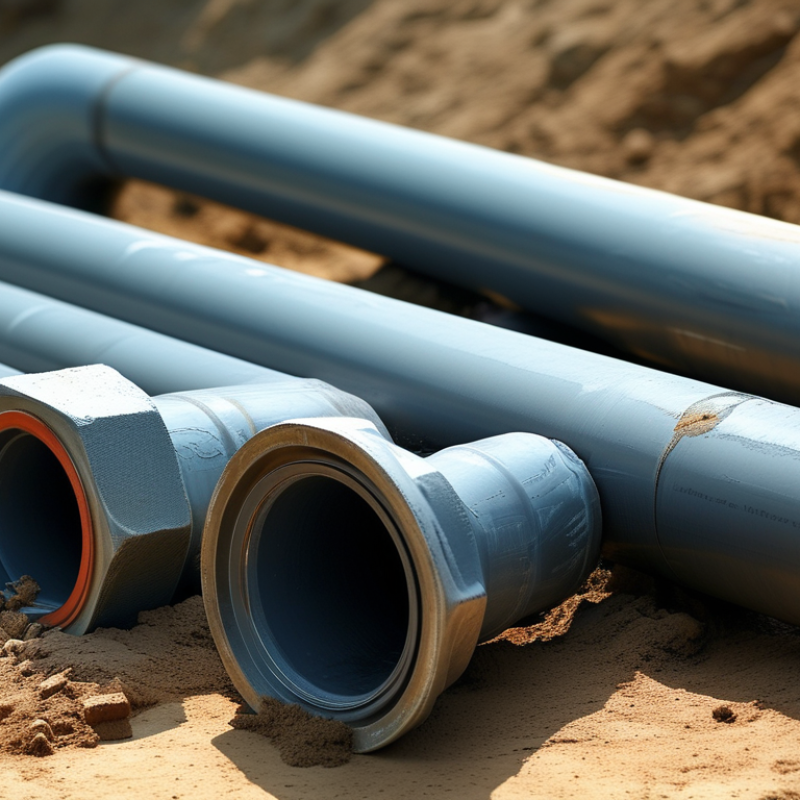
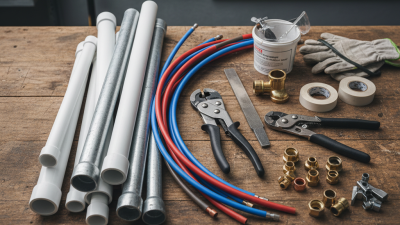
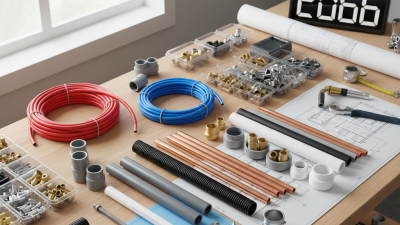
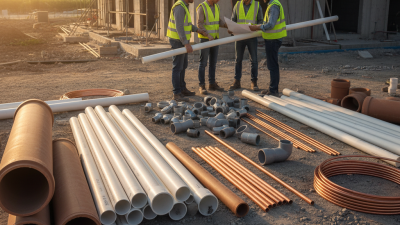
When selecting pipe materials, it's crucial to consider their specific applications. Common types include PVC, copper, and steel. According to industry reports, PVC pipes are often chosen for their lightweight nature and resistance to corrosion. This makes them ideal for drainage and irrigation systems. They are affordable and easy to install, but they may not hold up well under extreme temperatures.
Copper pipes, known for their durability and antimicrobial properties, are frequently used in plumbing. A recent study indicates that copper pipes can last over 50 years with proper maintenance. However, they can be expensive and require skilled labor for installation. It's essential to assess your budget and long-term goals before choosing this option.
Steel pipes are durable and capable of handling high pressures. They are commonly used in industrial settings and natural gas applications. However, they are prone to rust and require protective coatings or treatment. Each material has distinct pros and cons, emphasizing the importance of carefully matching the pipe type to your project needs. Remember that improper selection can lead to costly repairs or replacements later on.
Evaluating Pipe Sizes and Specifications for Your Project Needs
When evaluating pipe sizes and specifications for your project, it's crucial to consider the specific requirements of your application. Different projects require different types of pipes. For instance, plumbing, drainage, and gas supply each have unique specifications. Knowing the right material and size affects performance and durability.
Choosing the right diameter is essential for flow efficiency. Smaller pipes can restrict flow, while larger ones may waste material and space. Always refer to flow rate charts to ensure optimal performance. Check local regulations for size requirements, as they can impact what you can use.
Consider these ideas. Assess the environment where the pipes will be installed. Are they exposed to temperature changes? This will affect material choices. Research the consequences of your choices. A miscalculation can lead to leaks or pressure issues. Take extra time to analyze various factors. This will help prevent costly mistakes.
Assessing Quality Standards and Certifications for Pipe Supplies
When selecting pipe supplies for a project, quality standards and certifications play a crucial role. Understanding these certifications can ensure that the materials meet safety and performance requirements. Look for pipes that are certified by recognized organizations. These certifications indicate that the materials have undergone rigorous testing.
It's essential to assess the specific standards relevant to your project. For example, certain industries may require specific grades of materials. The absence of proper certifications might lead to potential failures. These failures can result in costly repairs or safety hazards.
Pay attention to the manufacturing process as well. Transparency from suppliers about how their products are made is vital. This can often reflect the overall quality of the pipe supplies. Sometimes, even certified products may not meet your expectations in real-world applications. Conducting research and asking for documentation may uncover potential issues. Engage with professionals who can provide insights based on their experience. Their knowledge can guide you in making informed choices.
Calculating Budget Considerations for Pipe Supply Procurement
Calculating your budget for pipe supplies is a critical step in any project. It is essential to determine all costs upfront to avoid unexpected expenses later. Begin by estimating the amount of pipe needed based on the project requirements. Combine this with the cost per unit, which can vary significantly depending on material and diameter. Consider potential waste and overages when making your calculations.
Budgeting should also include additional materials and tools needed for installation. Don’t overlook essential fittings, connectors, or adhesives. These small items can add up quickly, impacting your overall budget. Labor costs are another factor to consider. If hiring professionals, get quotes early to include those figures in your budget.
Pay attention to seasonal pricing trends and discounts. Prices can fluctuate, so timing your procurement wisely can save money. Always compare multiple suppliers to ensure you're getting the best deal. Ideally, your calculations should account for unforeseen costs, as well. It's common for projects to run into hiccups that may require extra funds. Keeping a buffer in your budget will help you handle such situations effectively.
How to Choose the Best Pipe Supplies for Your Project? - Calculating Budget Considerations for Pipe Supply Procurement
| Pipe Type |
Material |
Price per Foot ($) |
Durability (Years) |
Applications |
| PVC |
Polyvinyl Chloride |
0.50 |
15-25 |
Water, Drainage |
| Copper |
Copper Alloy |
3.00 |
50+ |
Plumbing, Heating |
| Steel |
Carbon Steel |
2.00 |
25-50 |
Structural, Oil & Gas |
| HDPE |
High-Density Polyethylene |
1.00 |
50+ |
Gas, Water Supply |
| PEX |
Cross-Linked Polyethylene |
1.50 |
30 |
Plumbing |
Exploring Supplier Options and Warranties for Pipe Products
When selecting pipe supplies for your project, the choice of supplier significantly impacts the quality and reliability of your materials. Many industry reports emphasize the importance of supplier experience, noting that suppliers with over 15 years in the market tend to provide higher quality products. It's essential to consider suppliers that offer comprehensive warranties. A warranty indicates the manufacturer's confidence in their product's durability.
Research shows that products with robust warranties lead to less project downtime. Projects can lose 20-30% of their time due to material failures. Thus, a reliable warranty can mitigate these risks effectively. Look for suppliers who provide detailed warranty terms and conditions. Transparency in warranty policies can prevent future disputes and enhance trust.
Evaluating supplier options also involves checking customer feedback. Online reviews and testimonials can reveal insights on product performance and supplier service. However, be cautious of overly positive reviews that may seem unrealistic. Not every project will go smoothly. Identifying potential issues beforehand can help in maintaining project timelines and budgets. Each decision regarding supplier choices should be backed by data, not assumptions.