Why Choose Electric Telescoping Mast for Your Next Project?
In today's fast-paced technological landscape, selecting the right equipment is crucial for project success. The Electric Telescoping Mast stands out as a versatile solution for various applications. This innovative equipment provides remarkable flexibility, allowing for rapid deployment and adjustments according to project needs.
Electric Telescoping Masts are designed to enhance efficiency. Their lightweight construction makes them easy to transport. Furthermore, they can reach significant heights with minimal effort. This capability is essential for tasks like communication, observation, and data collection. However, choosing the right mast requires careful consideration of specific project requirements. Not all projects align perfectly with this equipment.
While the benefits are evident, potential users must also weigh the challenges. For instance, understanding power requirements and installation protocols is vital for effective deployment. Electric Telescoping Masts demand knowledgeable handling to maximize functionality while ensuring safety. This exploration aims to provide insights into the advantages of Electric Telescoping Masts while encouraging reflection on their practical applications.
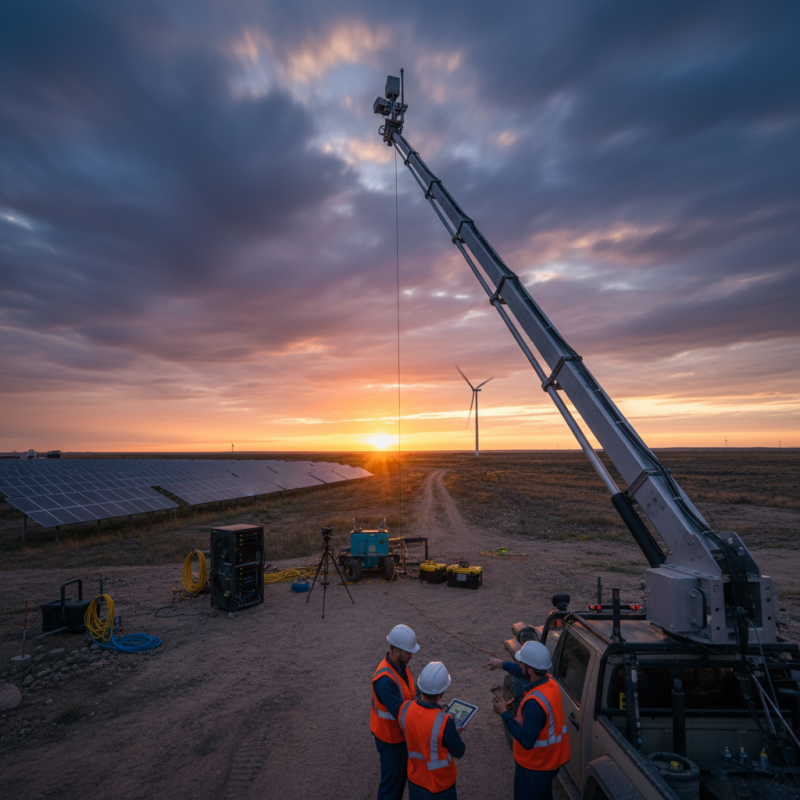
Benefits of Electric Telescoping Masts in Modern Applications
Electric telescoping masts are transforming various industries with their unique advantages. One of the main benefits is their flexibility. These masts are easily adjustable, allowing users to reach significant heights without the need for complicated setups. This is particularly useful in fields like telecommunications and broadcasting, where elevation can enhance signal strength and coverage. The efficiency of deployment saves teams time and resources on projects.
Another critical aspect is safety. Electric masts reduce the necessity for manual labor in lifting heavy equipment. This minimizes the risk of accidents and injuries during installation. The precision of electric systems also ensures that the mast is raised and lowered smoothly, which is crucial when working in populated or sensitive areas. However, some might find that the initial investment is higher compared to traditional masts. It's essential to weigh long-term benefits against upfront costs.
The technology behind electric telescoping masts continues to evolve. They often incorporate features like remote control and smart sensors. These advancements enhance user experience and operational efficiency. Yet, technology can be unpredictable. Users need to be prepared for possible maintenance and updates. Embracing electric telescoping masts in modern applications can be a game changer, but challenges do exist that require thoughtful consideration.
Key Features of Electric Telescoping Masts to Consider
Electric telescoping masts have become essential in various fields, such as telecommunications and broadcasting. When choosing a mast, it’s crucial to consider several key features that enhance both functionality and reliability. One major aspect is the load capacity. Ensure the mast can support the equipment you plan to mount. A well-rated load capacity minimizes the risks of structural failure, which can be costly.
Another critical feature is the height range. Electric telescoping masts come in different heights, allowing you to adjust them according to your project needs. A versatile mast can provide flexibility in various environments, whether on rugged terrain or urban settings. While height is vital, consider the stability provided by the mast's base. A sturdy foundation helps prevent wobbling and improves overall safety during operations.
Tips: Always check the mast’s deployment speed. A faster setup can save time and enhance efficiency. Ensure you review user manuals and maintenance guidelines for best practices. Regular checks can prevent unexpected failures. A minor oversight, like not securing a clamp properly, could lead to serious issues.
In summary, focus on load capacity, height range, and base stability when selecting an electric telescoping mast. Each project is unique, and what works for one may not suit another. Reflecting on your specific needs helps in making informed decisions.
Comparison of Electric vs. Manual Telescoping Masts
When considering telescoping masts for your project, understanding the differences between electric and manual options is essential. Electric telescoping masts offer convenience and efficiency. They can be operated with a push of a button, making height adjustments quick and easy. In contrast, manual masts require physical effort, which can lead to fatigue, especially during extended use.
Choosing an electric mast can enhance overall productivity. They often provide smoother and more controlled raising and lowering. Manual masts, while typically less expensive, can be less reliable in terms of consistency. Users might find that hand-cranking can cause strain and might not elevate to the precise height needed.
Tip: Always ensure proper training when using any telescoping mast. Familiarize yourself with the equipment before starting your project.
Another consideration is maintenance. Electric masts may require more complex repairs, while manual masts are often simpler to fix. However, the benefits of electric masts in efficiency can outweigh these concerns.
Tip: Regularly inspect your mast for wear and tear. Catching issues early can prevent larger problems later.
Cost-Effectiveness of Electric Telescoping Masts Over Time
Electric telescoping masts have gained attention for their cost-effectiveness over time. These masts offer a versatile solution for various projects, from telecommunications to photography. Their initial investment may seem higher than traditional masts, but the long-term savings tell a different story.
Electric masts require less maintenance. This reduced upkeep lowers overall operational costs. Additionally, they are designed for easy deployment. This means less manpower is needed for setup, leading to savings in labor costs. Users have noted how quickly they can transition from one project to the next. This flexibility can enhance productivity and profitability.
While electric masts are reliable, there can be learning curves for new users. Getting familiar with their operation might take time. Moreover, some projects could face environmental challenges that affect performance. Users often need to reflect on their specific needs and weigh these factors. Ultimately, the balance of costs and benefits shows electric telescoping masts hold potential for savvy project managers.
Cost-Effectiveness of Electric Telescoping Masts Over Time
Applications of Electric Telescoping Masts Across Industries
Electric telescoping masts have found diverse applications across numerous industries, showcasing their versatility and utility. In telecommunications, for example, they support antennas and cameras for enhanced connectivity and surveillance. According to a report by MarketsandMarkets, the telecommunications sector is projected to expand at a compound annual growth rate (CAGR) of 8.6% from 2023 to 2028. This growth drives the demand for efficient, space-saving equipment like electric masts.
In the field of renewable energy, electric telescoping masts are essential for wind turbine monitoring. They enable real-time data collection on wind patterns, improving energy efficiency. The International Renewable Energy Agency (IRENA) stated that wind energy capacity is expected to double by 2025. To keep pace, using advanced technology like telescoping masts becomes crucial for maximizing performance.
However, challenges remain in the reliability of these masts under extreme weather conditions. Case studies indicate that while they generally perform well, durability concerns can arise. A National Renewable Energy Laboratory report suggested that research into materials and designs could lead to significant improvements. Ensuring the longevity and effectiveness of electric telescoping masts is essential for industries relying on them.
