How to Choose the Right PVC Pipe for Your Home Project
When embarking on a home project, selecting the right materials is crucial to ensuring durability and functionality. One such material that has gained immense popularity is PVC pipe. According to a recent market analysis by Grand View Research, the demand for PVC pipes is expected to grow at a compound annual growth rate (CAGR) of 5.2% from 2021 to 2028. This growth is attributed to the increasing use of PVC pipes in residential plumbing, drainage, and irrigation systems due to their lightweight nature, resistance to corrosion, and cost-effectiveness.
Choosing the appropriate PVC pipe involves understanding various factors, including pipe diameter, pressure ratings, and application needs. The Plastics Pipe Institute (PPI) highlights that properly selected PVC pipes can lead to enhanced system performance while minimizing long-term maintenance costs. As more homeowners and contractors opt for these versatile pipes, knowing how to navigate the selection process becomes essential for successful project outcomes. With a wide range of options available, it's important to stay informed about the specific requirements and benefits associated with PVC pipes to make the best choices for your home project.

Understanding the Different Types of PVC Pipes Available
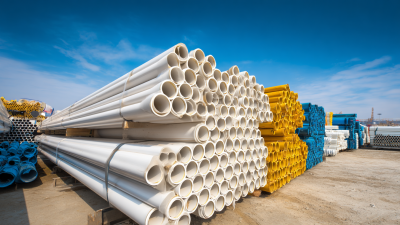
When choosing the right PVC pipe for your home project, it's essential to understand the different types available. PVC pipes are categorized primarily by their diameter and wall thickness, with the common varieties being Schedule 40 and Schedule 80. Schedule 40 PVC is widely used for residential plumbing and irrigation due to its cost-effectiveness and ease of installation. It typically has a thinner wall, which makes it suitable for low-pressure applications. According to the Plastic Pipe and Fittings Association (PPFA), Schedule 40 is the most popular option for non-pressurized applications, accounting for nearly 70% of the PVC pipe market used in homes.
In contrast, Schedule 80 PVC pipes have a thicker wall and are designed for higher-pressure systems, making them ideal for industrial applications or where durability is a significant concern. The National Association of Home Builders (NAHB) indicates that while Schedule 80 pipes represent a smaller market share, their use is growing due to increased awareness of the benefits of using high-strength materials in demanding environments. Additionally, specialty PVC pipes are available, such as those with specific chemical resistance or those designed for use with specific fluids, which can be crucial for particular home projects. Understanding these distinctions is key to selecting the right PVC pipe that meets both your project's requirements and industry standards.
Identifying the Purpose of Your Home Project
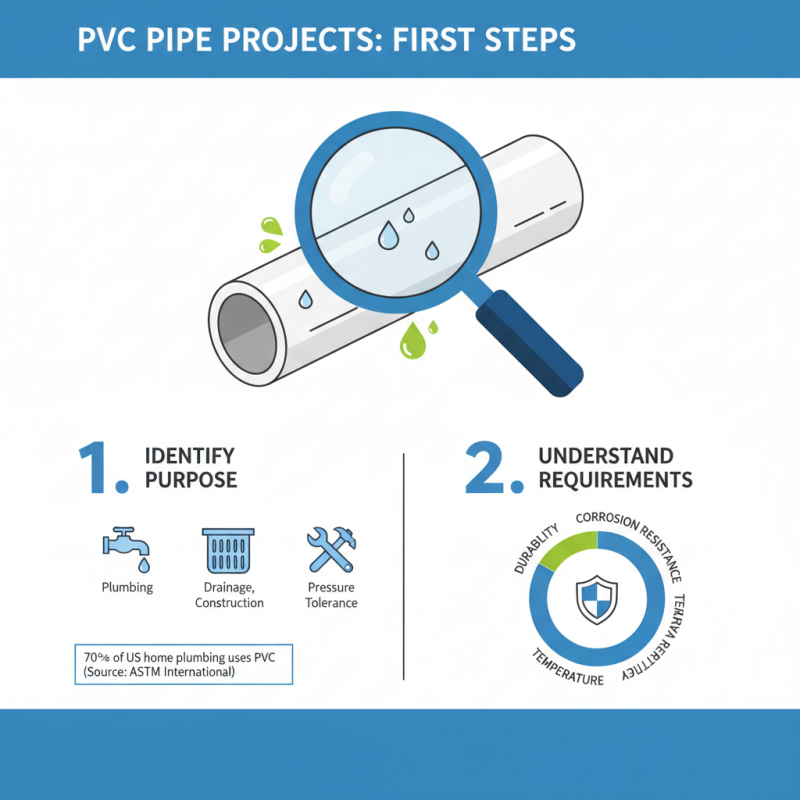
When embarking on a home project involving PVC pipe, the first crucial step is identifying the purpose of the installation. Whether the project involves plumbing, drainage, or construction, understanding the specific requirements is essential. For instance, ASTM International reported that over 70% of plumbing systems in residential homes utilize PVC due to its durability and resistance to corrosion. This material's properties make it ideal for projects involving water transport, given its ability to withstand pressure and temperature variations.
In addition to knowing the purpose, it’s important to consider the different schedules of PVC pipes. Schedule 40 and Schedule 80 are common options, differentiated mainly by their wall thickness and pressure ratings. Schedule 40 is suitable for most household applications, while Schedule 80 is recommended for areas that experience higher pressure requirements. Additionally, a study by the Plastic Pipe and Fittings Association highlights that using the proper pipe for the intended use can prevent failures and leaks, thus ensuring the longevity of your project.
Tips: Always consult local building codes before beginning your project, as regulations can dictate the type of materials you need to use. Additionally, consider investing in high-quality fittings and connectors, as these components often determine the overall effectiveness and durability of your piping system. Lastly, gather insights from professionals or forums related to home improvement for practical advice tailored to your specific project.
Assessing Pipe Diameter and Pressure Ratings
When selecting PVC pipe for your home project, understanding pipe diameter and pressure ratings is crucial to ensure a successful outcome. The diameter of the pipe directly affects the flow rate and the volume of fluid that can move through it. For smaller projects, such as irrigation systems or draining, a narrower diameter may suffice. However, for larger installations, such as residential plumbing or drainage, opting for a larger diameter will help facilitate adequate flow and reduce potential pressure build-up.
Pressure ratings, often denoted in pounds per square inch (psi), indicate the maximum amount of pressure that the pipe can safely handle. It is essential to assess the water pressure in your system and choose a pipe with a suitable rating to avoid leaks or damage. Generally, common household applications, like water supply systems, require pipes rated for at least 160 psi, while applications involving heavier use, such as in irrigation or storm drains, might necessitate higher ratings. By carefully considering both the diameter and pressure rating of the PVC pipe, you can ensure that your project not only functions efficiently but also remains durable and reliable over time.
Evaluating Pipe Durability and Chemical Resistance
When selecting the right PVC pipe for your home project, evaluating pipe durability and chemical resistance is crucial. PVC, or polyvinyl chloride, is known for its robust nature, making it an ideal choice for various applications from plumbing to construction. However, not all PVC pipes are created equal, and understanding the different grades and types available can help you make informed decisions. The durability of a PVC pipe is often characterized by its ability to withstand pressure, temperature changes, and physical impacts. Higher-grade pipes typically offer better performance in these areas, ensuring longevity and reliability in your installations.
Chemical resistance is another essential factor to consider when choosing PVC pipes. Different formulations of PVC can interact differently with various substances, impacting their viability in specific environments. For instance, if your project involves transporting chemical solutions, ensuring that the PVC pipe can withstand potential corrosion or degradation from those chemicals is imperative. To determine chemical compatibility, it's advisable to consult a compatibility chart that outlines the resistance of different PVC materials against a range of substances. By paying close attention to both durability and chemical resistance, you can select PVC pipes that not only meet the requirements of your project but also ensure safety and effectiveness in the long run.
How to Choose the Right PVC Pipe for Your Home Project - Evaluating Pipe Durability and Chemical Resistance
| Pipe Type |
Durability Rating |
Temperature Resistance (°F) |
Chemical Resistance |
Common Applications |
| Schedule 40 PVC |
Moderate |
140 |
Good for diluted acids & bases |
Drainage, irrigation |
| Schedule 80 PVC |
High |
140 |
Excellent for harsh chemicals |
Chemical processing, heavy-duty applications |
| CPVC Pipe |
High |
200 |
Resistant to hot water and chemicals |
Hot water distribution, industrial |
| PVC-O Pipe |
Very High |
140 |
Good resistance to most chemicals |
Water supply, pressure applications |
Considering Installation and Maintenance Requirements
When selecting the right PVC pipe for your home project, understanding installation and maintenance requirements is essential. The first step is to consider the complexity of the installation process. Different types of PVC pipes come with varying installation techniques; some may require specialized tools for cutting and connecting, while others might be designed for easy assembly without additional equipment. Assess the layout of your plumbing or drainage system, as certain configurations will demand specific types of joints or fittings, which can significantly influence the overall difficulty and time commitment of your project.
Further, maintenance considerations cannot be overlooked. Regular upkeep is crucial for ensuring the longevity and performance of your PVC pipes. Choosing high-quality materials with adequate resistance to chemicals and UV exposure can minimize long-term maintenance efforts. It's advisable to familiarize yourself with the best practices for caring for your pipes, as well as understanding the implications of any potential blockages or wear. Being proactive about these factors during the selection process can save you time and effort in the future, ensuring your home project runs smoothly and efficiently.
Comparison of PVC Pipe Types for Home Projects
This chart compares five different types of PVC pipes commonly used in home projects, evaluating them based on installation difficulty and maintenance frequency. Each aspect is rated on a scale from 1 to 5, with 5 indicating the highest level of difficulty or frequency.