Why Choose Wpc Tile Flooring for Your Next Project?
When considering flooring options for your next project, Wpc Tile Flooring stands out as a top contender. This innovative material combines the natural appeal of wood with the durability of vinyl. Designed for both beauty and resilience, Wpc Tile Flooring brings warmth to any space while ensuring longevity.
Unlike traditional flooring, Wpc Tile Flooring is water-resistant, making it ideal for areas prone to moisture. This feature not only enhances its practical use but also adds to its aesthetic charm. Homeowners and designers alike appreciate the vast array of styles and patterns available, allowing for creative expression in every room.
However, it’s essential to assess the installation process and maintenance needs. While Wpc Tile Flooring is relatively easy to install, some professionals may advise on proper techniques for optimal results. Each project is unique and may present unforeseen challenges. Embracing Wpc Tile Flooring could elevate your space, but it is crucial to research and consult experts to ensure the best outcome.
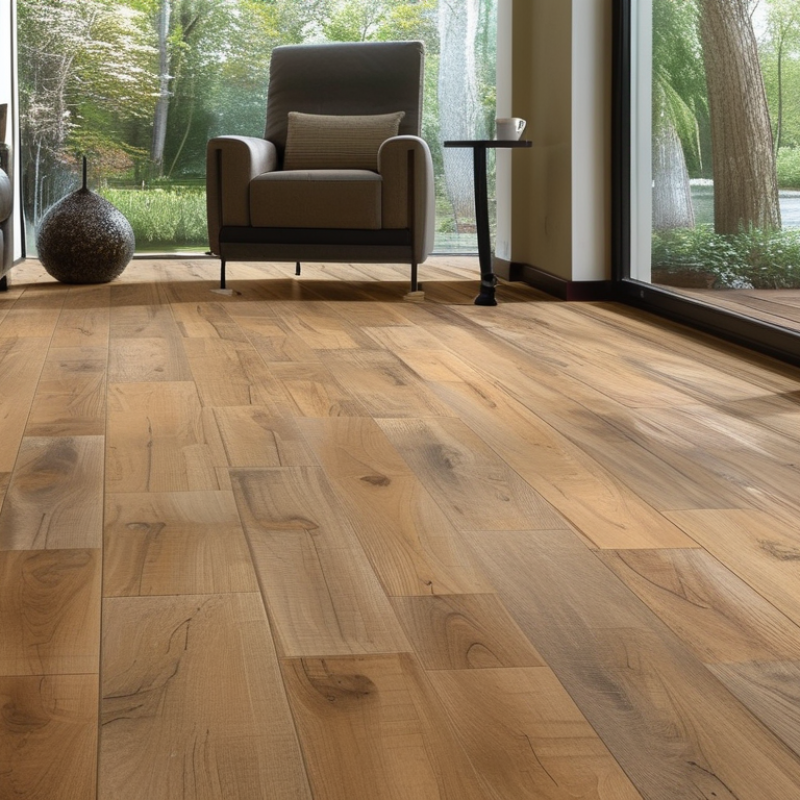
Understanding WPC Tile Flooring: A Comprehensive Overview
WPC (Wood Plastic Composite) tile flooring has surged in popularity due to its robust nature and aesthetic appeal. This innovative material combines wood fibers and plastics, resulting in a versatile flooring option. According to a report by Market Research Future, the WPC flooring market is expected to grow with a CAGR of over 10% from 2020 to 2027. This growth reflects its increasing adoption in residential and commercial spaces.
One significant advantage of WPC tile flooring is its water-resistant properties. Many homeowners and businesses face issues with moisture, leading to mold and mildew. With WPC, this concern is minimized, making it suitable for high-humidity areas. Furthermore, WPC tiles offer a range of designs, from natural wood looks to vibrant colors, catering to varied aesthetic preferences. However, it's essential to note that while WPC flooring is durable, improper installation can lead to gaps and uneven surfaces.
Maintaining WPC flooring is straightforward, requiring only regular sweeping and occasional mopping. Avoid harsh chemicals as they can damage the surface. Consider placing mats at entryways to reduce dirt accumulation. Balancing between beauty and practicality, WPC tile flooring can be a wise choice for your next renovation project. When comparing options, be mindful of your specific needs and potential long-term performance.
Key Features and Benefits of WPC Tile Flooring
WPC tile flooring has gained popularity in recent years due to its unique blend of style and functionality. This flooring option combines wood fibers and plastic, offering a durable surface that's ideal for various environments. According to a recent report by the Floor Covering Industry, WPC flooring sales increased by 20% over the last year, indicating a growing preference among homeowners and builders.
One of the standout features of WPC tile flooring is its waterproof quality. Many homeowners face issues with traditional flooring in areas prone to moisture. WPC flooring solves this problem, making it compatible for bathrooms and kitchens. Additionally, it requires minimal maintenance compared to hardwood options. A study from the National Wood Flooring Association highlights that WPC maintains its appearance longer, reducing the need for frequent replacements.
Moreover, WPC tiles boast excellent sound insulation, making them a great choice for multi-story homes. They provide comfort underfoot while minimizing noise. This is particularly important in urban settings where disturbances can be common. However, it’s worth noting that WPC flooring may not be suitable for every environment. In extremely high-temperature areas, expansion issues might arise. Hence, thoughtful planning is essential when selecting appropriate flooring for specific conditions.
Comparing WPC Tile Flooring to Other Flooring Options
WPC tile flooring has gained popularity among homeowners and designers. It combines wood and plastic to create a sturdy option. Compared to traditional tile or hardwood, WPC offers unique benefits. It's built to resist moisture, making it ideal for kitchens and bathrooms. Unlike real wood, it won’t warp or swell in humid conditions.
Consider the installation process when choosing flooring. WPC tiles often feature a click-lock design, simplifying DIY projects. This can save you time and money on professional help. However, ensure your subfloor is leveled well before installation. Uneven surfaces can lead to problems down the line.
Another point of comparison is maintenance. WPC flooring requires minimal upkeep. Regular sweeping or vacuuming keeps it looking new. Still, be cautious with sharp objects; they can create scratches. While WPC is durable, it is not entirely immune to damage. Keeping a small repair kit handy can be a smart preventive measure.
Ideal Applications for WPC Tile Flooring in Home and Commercial Spaces
WPC (Wood Plastic Composite) tile flooring is gaining popularity in both residential and commercial spaces. Its versatility makes it ideal for various applications. According to a 2021 report by Grand View Research, the global WPC flooring market is expected to reach $2.4 billion by 2025. This growth is fueled by an increasing demand for durable and eco-friendly flooring options.
In homes, WPC tiles are perfect for kitchens and bathrooms. They resist moisture and are easy to clean. Homeowners appreciate that WPC tiles offer a wood-like appearance, improving aesthetic value. In fact, nearly 70% of homeowners consider design a critical factor when choosing flooring, as noted in a recent survey by the National Wood Flooring Association. The realistic finish of WPC tiles enhances the overall look of any room.
Commercial spaces also benefit from WPC tile flooring. Retail stores and offices favor WPC for its durability and comfort underfoot. With a lifespan of over 20 years, WPC tiles reduce long-term maintenance costs. They can withstand heavy foot traffic and provide good insulation. However, the exact environmental impact of WPC production is still under examination, raising questions about sustainability. As businesses aim for eco-friendly solutions, a thorough analysis of material sources becomes necessary.
Installation and Maintenance Tips for WPC Tile Flooring
WPC tile flooring has gained popularity due to its practicality and aesthetics. Installation is often considered straightforward. However, it does require attention to detail. Proper subfloor preparation is crucial. The subfloor must be clean, dry, and level. Failure to achieve this can lead to issues like warping over time. According to a report by the Resilient Floor Covering Institute, improper installation can reduce the lifespan of flooring by 30%.
Maintenance is equally important. Regular cleaning helps preserve the appearance and durability of WPC tiles. Using a damp mop instead of a soaking one is advisable. Excess water can seep into seams and cause swelling. A study by the National Floor Safety Institute noted that properly maintained WPC flooring has a slip resistance rating of R10 or higher. This makes it safer for families and environments with heavy foot traffic.
While WPC flooring is designed for ease, some users may overlook the need for routine inspections. Check for signs of wear, especially in high-traffic areas. Mildew can develop in humid conditions if not properly ventilated. Addressing these concerns early can prevent significant long-term damage.
