How to Choose the Best Camping Sleeping Bag for Your Trip?
Choosing the right camping sleeping bag can make or break your outdoor experience. An expert in camping gear, Alex Thompson, emphasizes, "A good sleeping bag is your best friend in the wild." The outdoor world is unpredictable. A comfortable sleeping bag keeps you warm and helps you rest. When temperatures drop, you need a reliable sleeping bag to keep you cozy.
Different trips call for different types of camping sleeping bags. You may wonder what insulation is best for you. Some bags are lightweight for hiking, while others offer more warmth. It can be tough to find the right balance between weight and warmth. Look beyond brand names. Read reviews and consider the temperature rating.
Don’t overlook the size and shape of the sleeping bag. A snug fit might trap heat better, but it could feel restrictive. Personal preference plays a big role here. It's okay if your first choice doesn't feel right. Trial and error is part of preparing for your adventure. Making an informed decision is critical for enjoying the great outdoors.
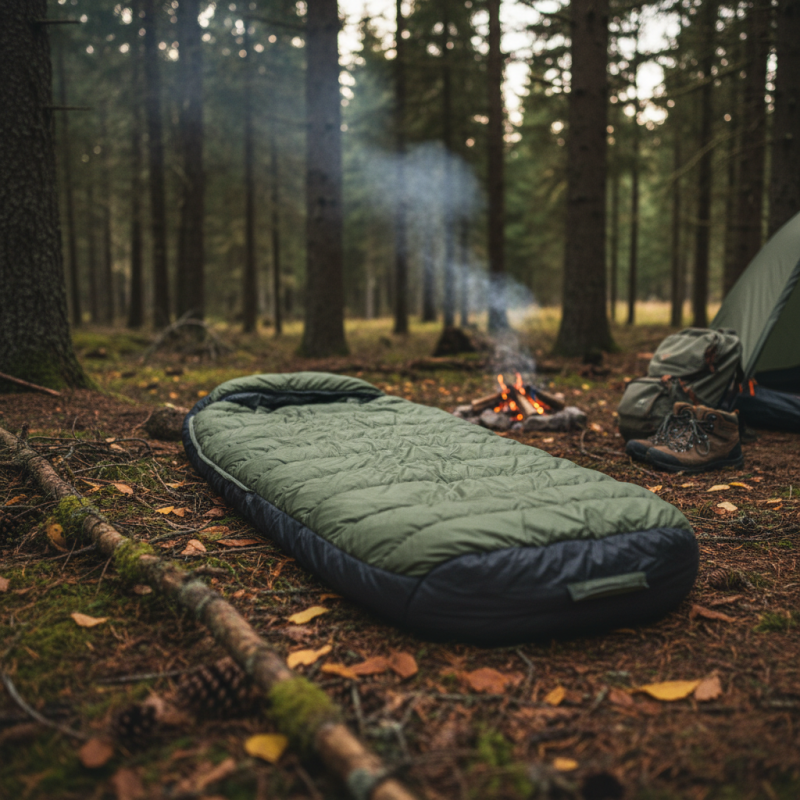
Understanding Different Types of Camping Sleeping Bags
Choosing a sleeping bag can be tricky. Many types exist, each with unique features. Synthetic bags are popular for their affordability and ease of care. They dry quickly and perform well in damp conditions. However, they may not provide as much warmth as down-filled options.
Down bags are lighter and more compressible. They offer excellent insulation but require careful maintenance. Moisture can compromise their effectiveness. If weight and compactness are crucial, down may be ideal. Still, some find them too delicate for rugged camping trips.
Mummy-shaped bags are snug and efficient, minimizing heat loss. Rectangular bags offer more space but may sacrifice warmth. Assessing your trip's needs is vital. Consider temperature ratings and the bag's weight. It’s common to choose something that doesn’t match the environment perfectly. Reflect on what you prioritize: warmth, weight, or comfort?
Evaluating Temperature Ratings for Your Sleeping Bag
When selecting a camping sleeping bag, temperature ratings are crucial. These ratings indicate the lowest temperature at which the bag can keep you warm. A bag with a high rating may not keep you comfortable on a chilly night. You need to understand how these ratings work.
Consider the three main types of temperature ratings: comfort, lower limit, and extreme. Comfort ratings refer to the conditions where the average sleeper feels cozy. Lower limit ratings indicate the lowest temperature for a standard sleeper, while extreme ratings represent survival only. Not everyone sleeps the same. What feels warm to one may be too cold for another.
Keep in mind your unique sleeping habits. Do you tend to feel cold easily? If so, choose a bag rated for lower temperatures. Also, the insulation type matters. Synthetic bags often retain warmth better in damp conditions. Still, they can be bulkier. A down bag, while lighter, may lose insulation when wet. Sometimes, the best choice can be frustratingly confusing.
Balancing weight, warmth, and weather conditions is a personal journey for every camper.
Considering Bag Shape and Size for Comfort
Choosing the right sleeping bag shape and size is crucial for comfort. When you think about shape, consider whether you prefer a rectangular or mummy-style bag. Mummy bags are more fitted, which helps to retain warmth. However, they can feel restrictive. Rectangular bags offer more room but may not keep you as warm in colder conditions. It's all about your preference and the type of trip you’re planning.
Size is equally important. A sleeping bag that is too small can lead to discomfort throughout the night. On the other hand, one that is too large may not provide the insulation you need. Make sure to check the dimensions before purchasing. If you are tall or carry extra gear, look for bags designed for more space. You may also want to consider the width at the shoulders and feet. It's essential to have a snug fit in the right areas.
Remember that body shape varies. What works for one person may not work for another. Try out different sleeping bags if you can. Ask friends for their experiences too. Reflect on what didn’t work last time. Comfort is key, so take your time in selecting the perfect sleeping bag.
Material Choices: Insulation and Shell Fabrics Explained
When selecting a camping sleeping bag, material choices significantly impact comfort and insulation. Different insulation types, like down and synthetic, have unique benefits. Down provides excellent warmth-to-weight ratios, making it lightweight and compressible. However, it loses insulating properties when wet. Synthetic insulation, on the other hand, retains warmth even when damp. According to the Outdoor Industry Association, around 64% of campers prefer synthetic materials for their versatility in varying weather conditions.
Shell fabrics are just as crucial. They determine water resistance and breathability. Nylon and polyester are popular choices. Nylon offers durability and is often lighter. Polyester, while slightly heavier, can dry faster and is less expensive. Research by the European Outdoor Group indicates that 73% of outdoor enthusiasts value breathability in their sleeping bags. Choosing the right shell fabric means balancing these factors based on your trip's demands.
Consider the temperature rating of your sleeping bag too. Insulation thickness and material can influence this rating. Too thick, and you may overheat; too thin, and you risk freezing. It’s essential to acknowledge your comfort preferences and climate. A bag that feels perfect for one person might not work for another. Experimentation and personal experience play key roles in finding the right fit for your adventures.
Budgeting for Quality: How Much to Spend on a Sleeping Bag
When budgeting for a sleeping bag, quality matters. A study by the Outdoor Industry Association found that spending between $100 and $300 yields the best value. This price range typically secures durable materials and reliable insulation. Most affordable bags may compromise warmth and longevity, leading to regrets after a few trips.
Consider temperature ratings and materials. A quality down sleeping bag is more efficient. However, synthetic options are often cheaper. Many campers find themselves unhappy after choosing low-cost bags. They may weigh more and provide less insulation, leading to uncomfortable nights.
Remember, a good night's sleep in nature is priceless. Investing wisely in your sleeping bag can enhance your experience. Research shows that nearly 70% of campers prioritize comfort and insulation over price alone. Ultimately, understanding your needs is crucial in this decision-making process.
How to Choose the Best Camping Sleeping Bag for Your Trip? - Budgeting for Quality: How Much to Spend on a Sleeping Bag
| Type of Sleeping Bag | Temperature Rating | Material | Weight (lbs) | Price Range ($) |
| Synthetic | 20°F | Polyester | 3.5 | 50-100 |
| Down | 15°F | Down | 2.0 | 200-400 |
| Mummy | 10°F | Nylon | 3.0 | 100-200 |
| Rectangular | 30°F | Cotton | 4.0 | 30-80 |
| Hybrid | 25°F | Synthetic/Down | 2.5 | 150-300 |
