How to Choose the Best Well Caps for Your Water Supply?
When selecting well caps, many overlook their importance. Well caps are the first line of defense for your water supply. They protect against contamination and debris.
Choosing the right well cap can be challenging. Many options exist, each with specific features. Think about your well's depth and environmental factors. A well-designed cap keeps pests out and minimizes water evaporation.
However, not all caps are created equal. Some materials may corrode over time. It is necessary to reflect on your local climate and soil conditions. A poorly chosen cap could lead to serious water quality issues. Making the right choice now matters greatly for future water safety.
Factors to Consider When Choosing Well Caps for Water Supply Systems
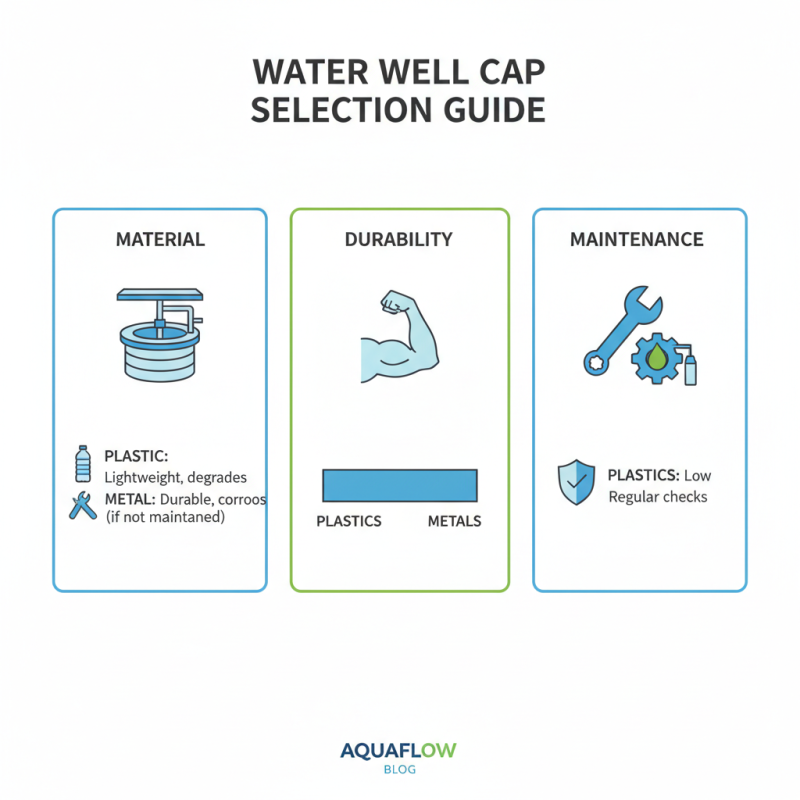
When selecting well caps for water supply systems, a few key factors come into play. Consider the material used in the cap. Common options include plastic, metal, and rubber. Each has its benefits and drawbacks. Plastic caps are lightweight but may degrade over time. Metal caps are durable, yet they can corrode if not properly maintained.
Next, examine the fit. The cap must securely seal the well. A loose cap can allow contaminants to enter the water. Check the diameter and thread type to ensure proper compatibility. Also, consider the design. Some caps have venting systems that prevent pressure buildup. This feature may save you from potential issues later on.
Cost is another important factor, but it shouldn't be the only consideration. A cheaper cap might seem appealing, but it could lead to more frequent replacements. Think about long-term sustainability and durability. Look closely at each option and weigh the pros and cons carefully. Sometimes, investing upfront can prevent headaches down the line.
Types of Well Caps: Understanding Materials and Their Benefits
Choosing the right well cap is essential for protecting your water supply. Various materials are available, each offering different benefits.
Plastic caps are lightweight and resistant to corrosion. They are easy to install and provide good sealing capabilities.
Over time, however, they can become brittle in extreme temperatures, leading to cracks.
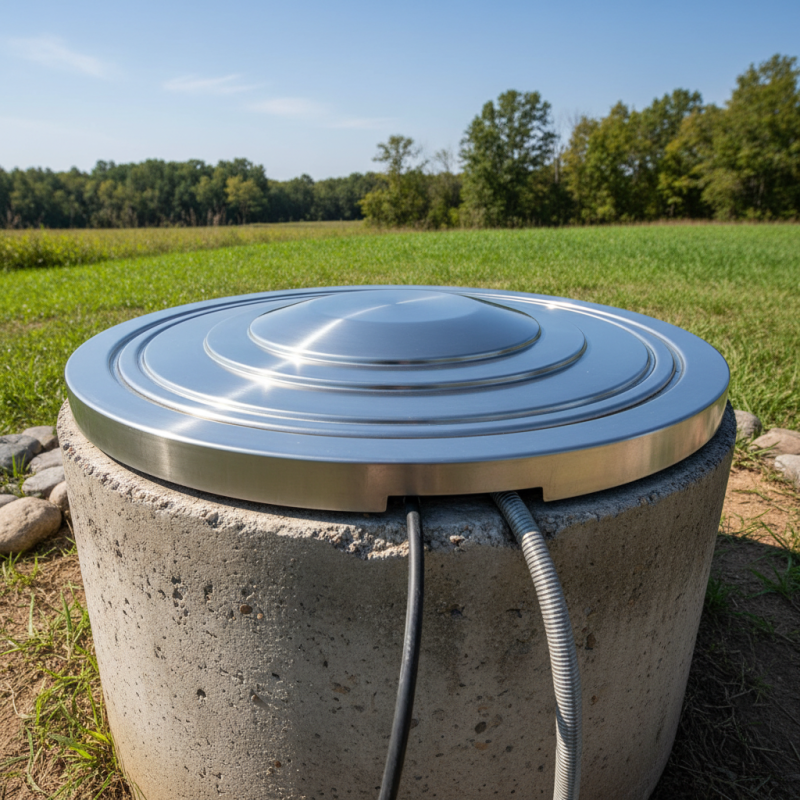
Metal well caps, such as those made from stainless steel, are durable and long-lasting.
They provide excellent protection against external elements. However, metal can rust if it isn't properly coated.
Weighing the pros and cons is crucial. A good cap stops debris from contaminating your water but can lead to complications if poorly maintained.
Additionally, some caps come with ventilation features. These can help reduce pressure buildup. However, they may also allow pests to enter.
Thus, balancing functionality and security is tricky. Consider your environment. The best well caps protect your supply while ensuring long-term reliability.
Each choice comes with its own challenges, so reflect on your specific needs.
Importance of Proper Well Cap Seal and Its Impact on Water Quality
When it comes to maintaining a clean water supply, the well cap plays a vital role. A proper seal on the well cap is essential. It prevents contaminants from entering the water source. Without a good seal, debris, insects, and chemicals can easily seep in. This can negatively impact water quality and your health.
Tips for choosing the right well cap include checking for durable materials. A sturdy cap withstands harsh weather. Look for a design that provides a tight fit. Ensure there are no gaps. Additionally, choose a cap with a screening feature. It allows ventilation while blocking pests.
Perform regular inspections on your well cap. Are there any signs of wear or damage? Look for rust or loose fittings. Address these issues quickly. A compromised well cap can lead to bigger problems down the line. Water is life. Protecting its quality should be a priority.
Regulatory Standards and Guidelines for Well Cap Installation
When considering well caps for your water supply, adherence to regulatory standards is crucial. According to a report from the Environmental Protection Agency (EPA), proper installation of well caps can prevent contamination and protect groundwater. It’s noted that over 50% of private wells may be at risk without proper caps. This data highlights the importance of compliance with local health department guidelines.
Regulatory guidelines often dictate specific materials and designs for well caps. Many jurisdictions require caps to have a secure fit and to be impervious to pests and debris. Improper sealing can lead to issues such as water contamination. Interestingly, a survey conducted by the National Ground Water Association found that less than 30% of well owners understood the importance of regular inspections for their well caps.
Neglecting these standards can lead to severe repercussions. A poorly installed well cap may allow harmful bacteria to enter the water supply. Reports indicate that around 10% of wells in rural areas show elevated levels of coliform bacteria. This statistic emphasizes a critical need for awareness and adherence to these guidelines, highlighting the need for well owners to reflect on their current practices. Maintaining well cap integrity protects not just your water supply but also public health.
Well Cap Compliance with Regulatory Standards
This chart illustrates the compliance rates of different well cap types with various regulatory standards. It helps in understanding which well caps are preferred in terms of meeting legal requirements and ensuring safe water supply.
Maintenance Tips for Extending the Lifespan of Well Caps in Wells
Maintaining well caps is crucial for water quality and longevity. Regular inspections can prevent minor issues from escalating. Look for cracks or signs of wear. A damaged well cap can lead to contamination. Ensure the cap fits snugly. This prevents debris from entering the well.
Cleaning is also important. Remove dirt and buildup regularly. Use a soft brush for tough spots. Harsh chemicals might damage the material. Water quality testing is another essential step. Periodically check for bacteria or other pollutants. Often, we overlook these checks until it’s too late.
Consider the environment around your well. Heavy rainfall can wash contaminants into your water supply. Overhanging branches can drop leaves and debris into the cap. Adjust your landscaping accordingly. It’s easy to forget exterior factors when focusing on the cap itself. Remember, prevention is the best maintenance.
How to Choose the Best Well Caps for Your Water Supply? - Maintenance Tips for Extending the Lifespan of Well Caps in Wells
| Dimension |
Description |
Importance |
Maintenance Tips |
| Material |
Choose between plastic, metal, or composite. |
Affects durability and resistance to corrosion. |
Inspect for wear and replace when necessary. |
| Size |
Must fit the well casing securely. |
Prevents contaminants from entering. |
Measure well casing and ensure a proper fit. |
| Seal Type |
Types include threaded, bolt-down, or compression seals. |
Ensures a watertight seal to prevent leakage. |
Check seals regularly and replace if cracked. |
| Ventilation |
Some caps include vents to balance pressure. |
Prevents vacuum formation, allowing water flow. |
Keep vents clean and unobstructed. |
| Cost |
Varies based on material and features. |
Budget considerations for long-term use. |
Consider quality over price for longevity. |