How to Choose the Best Well Drilling Supplies for Your Project?
Choosing the right well drilling supplies is crucial for your project’s success. With numerous options available, it can be daunting. Factors like soil type, depth, and climate can all influence your choices.
Start by assessing your specific needs. Consider the diameter of the well and the type of pump required. Not all supplies work for every situation. You may need to research, ask for recommendations, or reflect on past experiences. Sometimes, the most expensive supplies aren’t the best for your project.
Pay attention to quality. Low-cost options can lead to costly mistakes later on. Read reviews and seek advice from experts. Remember, your choice can impact the entire drilling process. Take your time, weigh your options, and don’t rush into decisions.
Understanding Your Well Drilling Project Requirements
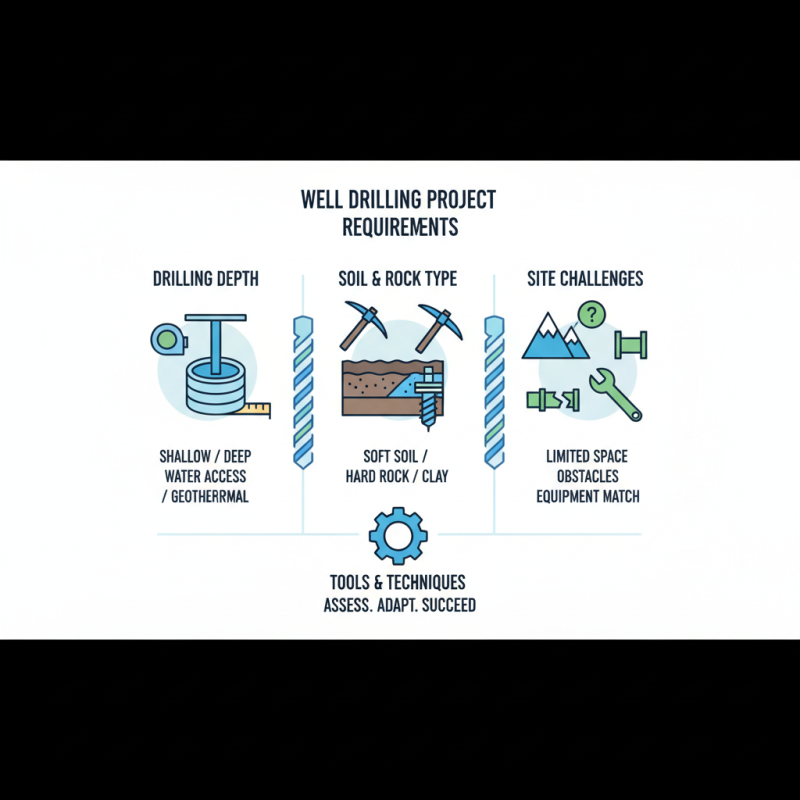
Understanding your well drilling project requirements is crucial. Different projects have unique needs. Assess the depth you need to drill. Consider the soil type you will encounter. Rock formations demand different tools and techniques. Each site can pose challenges. Not every drill or accessory will work everywhere.
Evaluate the water needs for your project. This can influence the size and type of the equipment you use. Will you need a high-capacity pump? The location is important too. Accessibility can limit your choices. Do you have enough space for a larger rig?
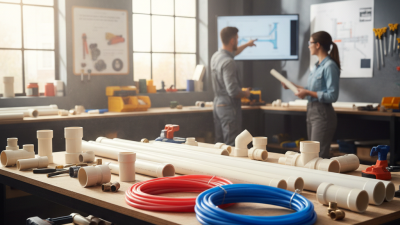
Take time to list everything you might need. This includes pipes, bits, and pumps. Costs can pile up quickly. Ensure you have a budget but allow some flexibility. Sometimes, unexpected issues arise. It's better to have a well-prepared plan than to scramble mid-project. You might overlook something initially. Regularly review your list and adjust as necessary.
Types of Well Drilling Supplies and Their Functions
Selecting the right well drilling supplies can greatly influence your project's success. Different types of supplies serve specific functions. For instance, drill bits are vital for breaking through tough ground. Their designs vary from standard to specialized shapes. Each type suits different soil conditions.
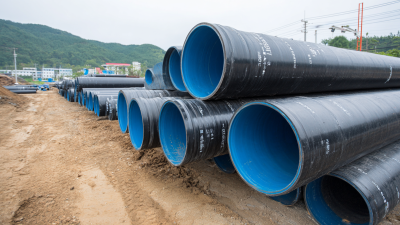
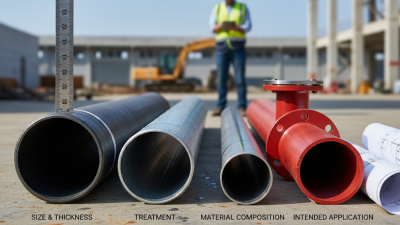
Another essential component is the well casing. This tube stabilizes the well and prevents contamination of groundwater. Material choices, like PVC or metal, depend on depth and expected pressure.
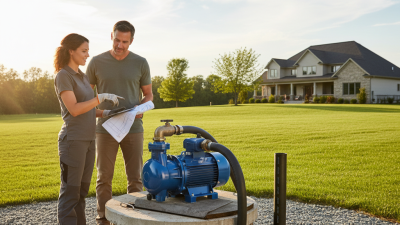
You might overlook pump systems, but they are crucial, too. They bring water from the well to the surface.
Don't forget about safety gear, either. Hard hats and gloves are often neglected. But they are necessary to protect against injuries. Ensure you have emergency supplies on hand, like first aid kits. Sometimes, you might realize too late that you lack essential items.
Reflecting on previous projects can help you avoid future mistakes.
Factors to Consider When Choosing Well Drilling Equipment
Choosing the right well drilling equipment can be challenging. Consider the type of project you’re working on. Different projects require different tools. For shallow wells, lighter machinery may suffice. Deeper wells often need more robust equipment.
Think about the specific soil conditions. Rocky or sandy soils demand different drill bits and techniques. Make sure your equipment matches the geology of the area. It's crucial to have the right tools for efficiency. Always check the compatibility of your supplies before starting.
Don’t overlook the importance of safety features. Well drilling can be risky. Having proper safety gear is essential. Inspect equipment regularly to prevent accidents. It’s also wise to have a contingency plan in case of equipment failure. Reflect on previous projects, and learn from past mistakes.
Evaluating Supplier Reliability and Product Quality
When selecting well drilling supplies, evaluating supplier reliability and product quality is crucial. A recent industry report notes that 70% of drilling failures stem from poor-quality materials. Trustworthy suppliers often provide detailed product specifications. They should also have positive reviews from past clients. Research can reveal how long they’ve been in the industry. Longevity often indicates reliability.
Look for certifications and industry standards. These documents show that suppliers adhere to quality protocols. However, not all certifications are equal. Some may only require minimal compliance. Be cautious about suppliers that are vague about their quality control processes. Transparency is a good sign.
Take time to compare different suppliers. This can uncover surprising variations in product offerings. Some may offer low prices but compromise on quality. Others might have higher costs but superior materials. Gathering testimonials can provide insights into actual performance. A strong reputation often reflects consistent quality. Ensure the suppliers you consider also offer support services. Having assistance in case of problems can save time and resources.
How to Choose the Best Well Drilling Supplies for Your Project? - Evaluating Supplier Reliability and Product Quality
| Supplier Name |
Product Type |
Quality Rating |
Delivery Time (Days) |
Price Range ($) |
Customer Feedback (%) |
| Supplier A |
Drilling Rig |
4.8 |
7 |
5000 - 7000 |
95 |
| Supplier B |
Drilling Bits |
4.5 |
5 |
300 - 500 |
90 |
| Supplier C |
Pipes |
4.2 |
10 |
150 - 300 |
85 |
| Supplier D |
Casing |
4.7 |
4 |
200 - 400 |
92 |
| Supplier E |
Pumps |
4.9 |
6 |
700 - 900 |
97 |
Budgeting for Well Drilling Supplies and Costs
When budgeting for well drilling supplies, start by assessing your project’s needs. Understand the
type of well you want and the
depth required. This decision influences material choices, tools, and costs.
You may find unexpected expenses along the way. Don’t overlook
permits or specialized equipment.
Tips:
Research local regulations. Ignoring them could lead to fines.
Calculate costs for each item carefully. A small mistake can snowball into major budget issues.
Build flexibility into your budget. Prices might change or unforeseen problems can arise.
Use cost-effective materials wherever possible. Quality matters, but sometimes, cheaper options can meet your needs.
Consider renting equipment instead of buying. This can save you money, especially for one-time jobs.
Evaluate whether you need all supplies upfront or can purchase them gradually.
Be aware of potential overages. Some details may need adjusting as you progress.
Stay updated on any changes in pricing. Communication with suppliers can help manage expectations and find better deals.