How to Choose the Right 4 Inch PVC Pipe for Your Project?
Choosing the right 4 in PVC pipe for your project is crucial. It can impact the durability and efficiency of your plumbing or construction. Many factors need to be considered. It's not just about picking any pipe; it's about selecting the appropriate one that meets your specific needs.
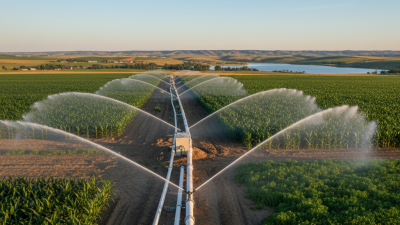
Understanding the features of 4 in PVC pipe is essential. This size is common in drainage systems and irrigation projects. However, the quality can vary. Some pipes may not hold up to pressure or environmental factors. Researching manufacturers and reading reviews can help you make an informed decision.
Moreover, asking for expert advice is often beneficial. Professionals can provide insights based on experience. They may highlight aspects you overlooked, like the impact of climate on material performance. It's worth noting that not every project will be straightforward. Some might require adjustments or special fittings. Engaging with knowledgeable resources enhances the confidence in your choice.
Understanding 4 Inch PVC Pipe Specifications and Types
When selecting a 4 inch PVC pipe, it’s essential to understand its specifications. The schedule rating is a critical factor. Common choices include Schedule 40 and Schedule 80. Schedule 40 is widely used for residential projects due to its balance of strength and weight. Schedule 80 provides higher pressure capacity and is ideal for commercial applications. Knowing your project’s pressure needs can greatly impact your decision.
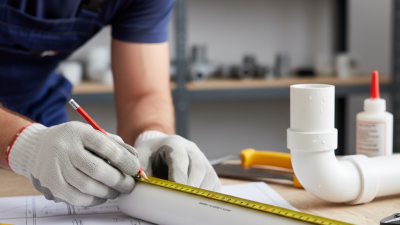
Another important specification is the pipe's length and fitting compatibility. Standard lengths usually range from 10 to 20 feet. Ensure the fittings you select match the diameter and schedule rating of the pipe. Sometimes, manufacturers may vary in their sizing, which can lead to compatibility issues. Always double-check dimensions before making a purchase.
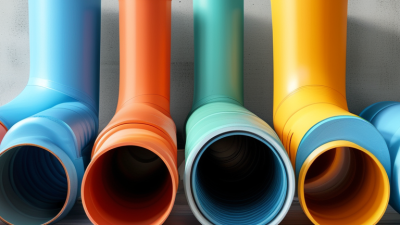
Color coding is another feature to consider. While most 4 inch PVC pipes are white, different colors indicate specific uses, such as drainage or potable water. This can save you from potential mistakes. Your project may have unique requirements, so take the time to analyze them carefully. A well-thought-out choice in materials can prevent setbacks later on.
How to Choose the Right 4 Inch PVC Pipe for Your Project?
| Specification |
Type |
Applications |
Pressure Rating (psi) |
Length Options (Feet) |
| Schedule 40 |
Standard |
Drainage, Irrigation |
280 |
10, 20, 100 |
| Schedule 80 |
Heavy Duty |
Wastewater, Chemical Transport |
400 |
10, 20, 50 |
| SDR 21 |
Standard |
Conduit, Electrical Applications |
230 |
10, 20, 100 |
| DR 18 |
High Performance |
Water Distribution, Pressure Systems |
300 |
20, 50, 100 |
Assessing the Application Requirements for Your Project
Choosing the right 4-inch PVC pipe requires careful consideration of your project's specific application requirements. Start by evaluating the purpose of the pipe. Is it for drainage, irrigation, or structural support? Each function has unique demands. For drainage, you may need more flexibility. For irrigation, consider pressure ratings and flow rates. Identifying these requirements early saves time and money.
**Tips:** Understand the environment where the pipe will be installed. Soil conditions impact durability. If your project involves soil with high acidity or salinity, choose a pipe that resists corrosion. Research local soil conditions or consult with experts.
Next, check the temperature and pressure limits. PVC pipes can expand or contract with temperature changes. In areas with extreme temperatures, choose a pipe designed for those conditions. Misjudging these requirements can weaken the pipe and lead to failure.
**Tips:** Measure your space accurately before installation. A poorly sized pipe can disrupt flow. Always plan for potential clogs and maintenance access. If unsure, seek guidance from a professional.
Choosing the Right 4 Inch PVC Pipe: Application Requirements
Evaluating Material Quality and Durability of PVC Pipes
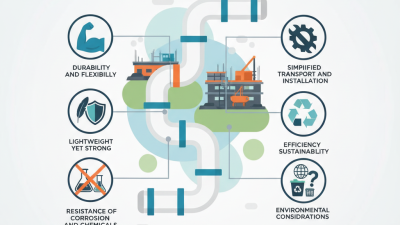
When selecting a 4 inch PVC pipe, understanding material quality and durability is crucial. Studies show that the lifespan of PVC pipes can exceed 50 years. However, not all PVC pipes are created equal. High-quality pipes have better resistance to impacts and environmental stressors. They are less likely to crack or deform under pressure in various conditions.
It’s wise to assess the specifications. Look for pipes with a higher SCHEDULE rating. This indicates higher thickness and strength. For instance, a Schedule 40 pipe generally performs better under stress compared to Schedule 20. Furthermore, experiments suggest that the presence of additives can improve resistance to UV light and chemical exposure, prolonging the pipe's life.
Despite these advantages, not all manufacturers maintain consistent standards. Regularly, cheaper options may compete in price but often lag in quality. Checking third-party certifications can help ensure you choose a pipe that meets or exceeds industry standards. It is better to invest in reliable materials upfront. This prevents future headaches from leaks or failures. Exploring available data is instrumental in making informed decisions.
Choosing Between Schedule 40 and Schedule 80 PVC Pipes
When selecting between Schedule 40 and Schedule 80 PVC pipes, it’s essential to understand their differences. Schedule 40 pipes are lighter and often used for residential projects. They have a thinner wall. In contrast, Schedule 80 pipes have a thicker wall and higher pressure ratings. For some projects, this added durability is crucial.
According to the Plastics Industry Association, Schedule 40 pipes can handle pressure up to 140 PSI for 4-inch diameter. Schedule 80 pipes, however, can manage pressures reaching 260 PSI. This difference makes Schedule 80 a preferred choice in commercial or industrial applications. They resist impacts better and can endure harsh conditions.
Consider the specific demands of your project. If you are working in environments exposed to chemical elements, Schedule 80 may offer more reliability. However, for simple drainage or venting tasks, Schedule 40 is usually sufficient. Misjudging your needs can lead to costly repairs or replacements down the line. Always assess the location and intended use when making your choice.
Determining the Right Fittings and Accessories for Installation
When selecting fittings and accessories for a 4-inch PVC pipe, understanding the various options available is crucial. According to the Plastics Industry Association, proper fittings account for up to 30% of a piping system's overall effectiveness. This emphasizes the need for high-quality components. There are numerous fitting types, including elbow, tee, and coupling. Each serves a specific purpose and should match the intended flow requirements.
Additionally, the use of solvent cement and primer enhances joint strength and longevity. The American Society for Testing and Materials (ASTM) recommends specific types of cement for different applications. Many users overlook compatibility, which may lead to failures. Ensuring appropriate fittings and adhesives can prevent leaks and costly repairs in the long run.
Careful consideration of the installation environment is also essential. Whether exposed to UV light or underground, the right accessories will enhance durability. Research from the National Association of Home Builders highlights that improper installation can reduce pipe lifespan significantly. Investing time in choosing the correct fittings and ensuring they align with your project needs is not just recommended; it's necessary for long-term success.