How to Choose the Right Plumbing Fittings for Your Needs?
Choosing the right plumbing fittings is crucial for any plumbing project. According to a report by the American Society of Plumbing Engineers, improper fittings can lead to leaks. These leaks are not just annoying; they can cause extensive water damage and increase bills. Plumbing fittings play a major role in system efficiency.
The market for plumbing fittings is expanding. The global plumbing fittings market was valued at over $50 billion in 2022. This growth reflects increased construction and renovation activities. However, with so many options available, how does one make the right choice? Quality and compatibility of plumbing fittings must be considered carefully.
Many consumers overlook specific requirements. Each fitting type, whether PVC, copper, or brass, has unique benefits and drawbacks. This can lead to costly mistakes. Evaluating your project needs and future maintenance is essential. Understanding these factors will guide you in selecting the best plumbing fittings for your situation.
Understanding Different Types of Plumbing Fittings and Their Uses
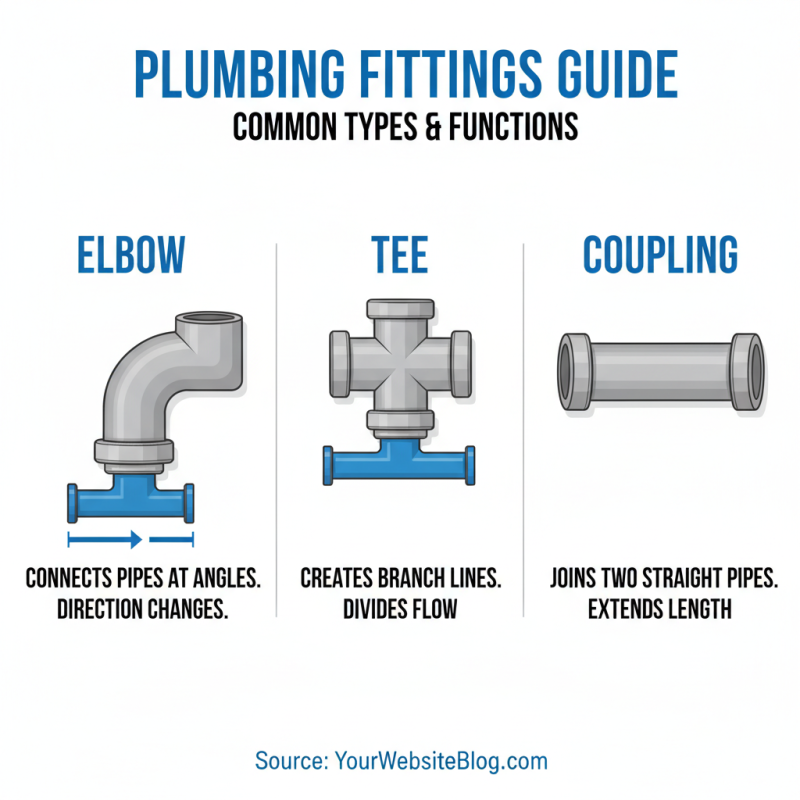
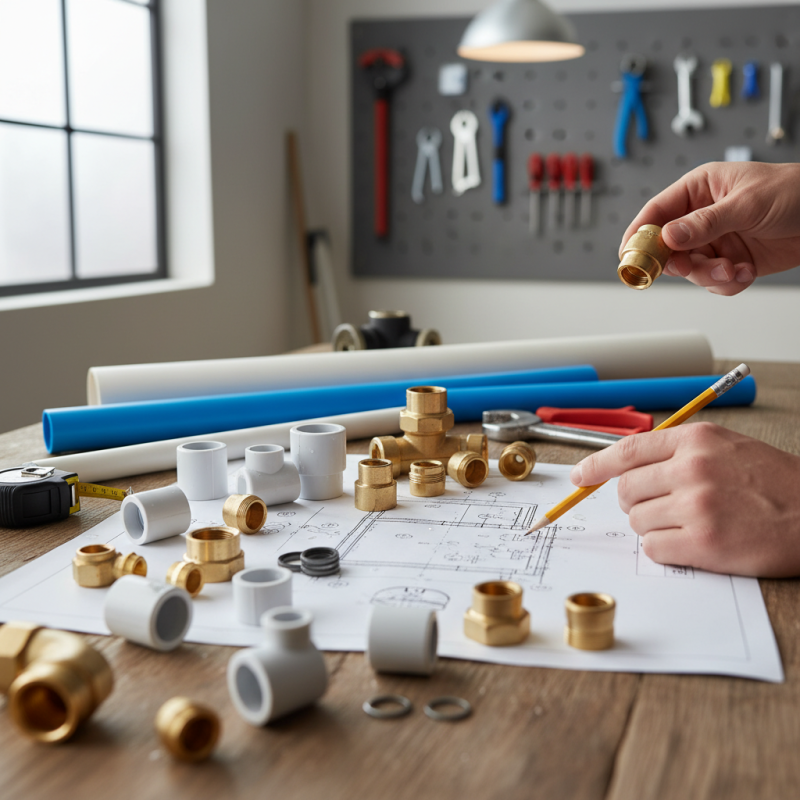
Choosing the right plumbing fittings requires understanding their various types and functions. There are several common plumbing fittings you should know. These include elbows, tees, and couplings. Each serves a specific purpose in your plumbing system. For instance, elbows connect pipes at angles, aiding in direction changes. Tees help to create branch lines. Couplings join two straight pieces of pipe.
According to the Plumbing-Heating-Cooling Contractors Association, improper fittings can lead to leaks. Studies show that leaks can waste approximately 10,000 gallons of water annually in an average household. This statistic highlights the importance of choosing suitable, high-quality fittings.
**Tip:** Always consider the material. PVC is often used for water supply systems due to its resistance to corrosion. On the other hand, copper fittings are durable and can withstand high temperatures. However, remember that not all fittings are created equal. A poor choice can lead to costly repairs later.
**Tip:** Measure accurately. Scarcity of precise measurements can result in mismatched fittings, leading to installation headaches. When purchasing fittings, double-check your measurements to avoid frustration. Trusting your instincts can backfire if you skip this vital step. Understanding your options truly makes a difference.
Factors to Consider When Selecting Plumbing Fittings for Your Project
Choosing the appropriate plumbing fittings is essential for any project. Several factors influence your decision—materials, size, and purpose are crucial. Metal fittings are durable, ideal for high-pressure applications. Plastic fittings offer ease of installation but may not handle high temperatures. Evaluate what suits your project best.
Consider the size of your piping system. Too small or too large fittings can cause leaks or pressure loss. Know the dimensions before purchasing. Sometimes, miscalculations happen, leading to wasted time and resources. Think about the environment where the fittings will be used. Corrosion-resistant materials might be necessary in damp areas.
It’s important to consider the project’s specific needs. Will the fittings be visible or hidden? Aesthetic choices matter, even if they seem minor. Reflect on the long-term implications of your choices. Opting for cheaper options may mean more repairs later. Balancing cost with quality is a challenge every project faces.
How to Choose the Right Plumbing Fittings for Your Needs?
How to Measure and Fit Plumbing Fittings Accurately
When it comes to plumbing, accurate measurements are essential. Start with the pipe diameter.
Use a caliper for precision. Measure the outside diameter for fittings that slip over pipes. For threaded fittings, measure the inner diameter. These small details make a big difference in fit and function.
Next, consider the length of the fitting. You’ll often need a specific length to connect two pipes properly. Take your time measuring; double-check your numbers. It’s worth it to avoid leaks later. Sometimes, a fitting looks right but feels loose. That’s a clear sign you might need to reassess your measurements.
Don't forget to account for any bends or angles. If your pipes run in a non-linear path, be aware of how this affects your fitting choices. Use a protractor to measure angles when needed. Installing a fitting that doesn't match can lead to frustrating challenges.
Reflecting on your process can help avoid these issues. Remember, adjustments may be necessary. Always plan for the unexpected.
Common Materials Used for Plumbing Fittings and Their Benefits
When choosing plumbing fittings, the material plays a crucial role. Common options include PVC, copper, and PEX. Each material has unique advantages and limitations. For instance, PVC is cost-effective and resistant to corrosion, making it a popular choice. A report by the American Society of Plumbing Engineers noted that PVC fittings comprise more than 60% of the market due to their affordability. However, they may not withstand high temperatures.
Copper is another widely used material. It is durable and has natural antibacterial properties. Plumbers often prefer copper for hot water lines, as it can handle high temperatures without degrading. A study found that copper plumbing can last over 50 years if properly installed. Yet, it is more expensive than alternatives, which can be a drawback for budget-conscious homeowners.
PEX has gained popularity for its flexibility and ease of installation. This material is resistant to scale and chlorine, which can extend its lifespan. The National Association of Home Builders reports that PEX fittings are becoming more common in new constructions, accounting for 30% of installations. Nevertheless, it's essential to acknowledge that improper installation can lead to leaks and costly repairs. Choosing the right fitting requires careful consideration of these factors.
Tips for Installing and Maintaining Plumbing Fittings Effectively
Installing and maintaining plumbing fittings is crucial for any construction project. According to industry reports, nearly 35% of plumbing issues stem from improper installation of fittings. Ensuring the correct installation begins with selecting the right materials. For instance, PVC and copper are common choices, but each has its pros and cons. Copper, while durable, can be expensive. PVC is cost-effective but may not withstand extreme temperatures.
Maintenance is another critical aspect. Regular inspection can help spot leaks early. Surveys show that 27% of homeowners neglect preventive measures, leading to costly repairs. A simple check for rust or corrosion could prevent future issues. Consider using thread sealants; they can improve joint integrity. However, applying too much can lead to blockages. Balancing the right amount is key.
Furthermore, ensure that fittings are compatible with the pipe materials used. Mixing materials without proper connectors can result in failures. Data indicates that 22% of plumbing failures occur due to incompatible fittings. Familiarizing yourself with common sizes and types helps avoid mistakes. While there is much to learn, taking care of your plumbing can save you time and money in the long run.