How to Choose Well Supplies for Your Water Well Maintenance?
Choosing the right well supplies for water well maintenance is crucial. Proper supplies ensure clean and safe water. Without them, you might face problems like contamination or equipment failure.
When selecting well supplies, consider the specific needs of your well. Different types of wells require different tools. For instance, you may need a submersible pump for deep wells, while shallow ones may suffice with a jet pump. The quality of the supplies matters too. Poor quality can lead to breakdowns and unexpected costs.
It's also essential to stay updated. New technologies emerge regularly. Understanding what is available could save you time and effort in the long run. Reflect on your current supplies and whether they meet your needs. Make informed choices to enhance well performance and reliability.
Importance of Regular Maintenance for Water Wells: Key Statistics
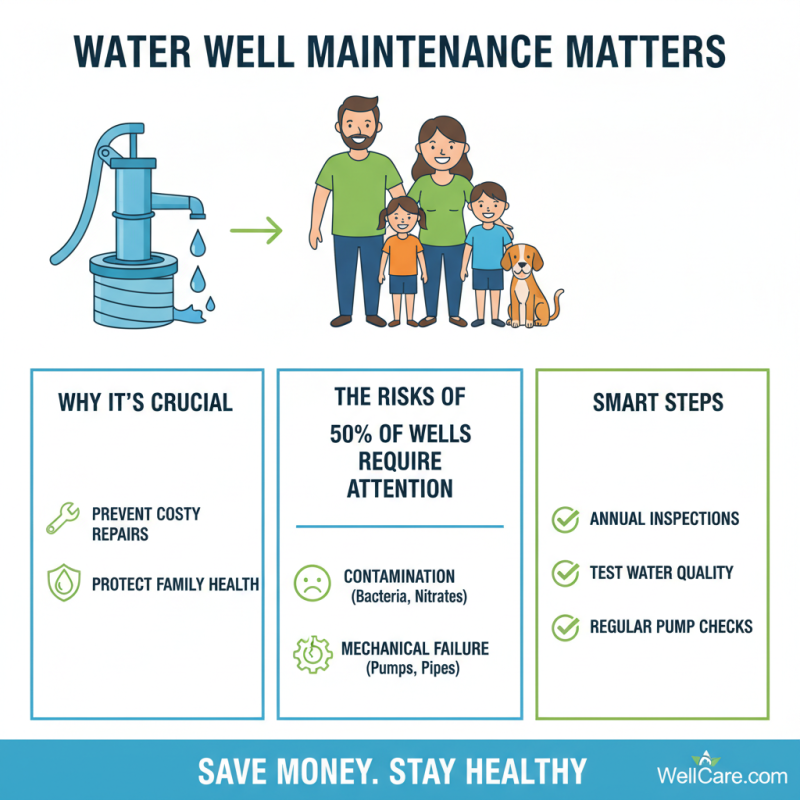
Regular maintenance for water wells is crucial. Neglecting this can lead to costly repairs and health issues. Research indicates that over 50% of wells require attention due to contamination or mechanical failure. Ensuring your well is in good shape can protect your family’s health and save money in the long run.
Tips: Regularly test your well water for bacteria and contaminants. This simple test can identify problems before they worsen. Integrate routine inspections into your maintenance schedule. Look for cracks or leaks. These might seem minor but can lead to bigger issues.
Maintaining your water well is not just about checking the pump. It involves monitoring the surrounding area. Ensure no contaminants are near the well. Sometimes, the source of pollution is closer than it seems. Take a walk around your well periodically to spot issues before they arise. Always be proactive rather than reactive.
Essential Tools and Supplies for Effective Well Maintenance
When maintaining a water well, the right tools and supplies are crucial. A comprehensive maintenance kit includes a range of essential items. For instance, test kits for water quality are vital. According to the Environmental Protection Agency, approximately 50% of wells can show signs of contamination over time. Regular testing helps identify problems before they escalate.
Hand tools like wrenches and pliers are also necessary for repairs. Many homeowners overlook these basics, which can lead to costly repairs down the line. A well-maintained pump can last up to 20 years, while neglect may shorten its life. A good practice is to inspect seals and joints regularly for any signs of wear.
Safety gear is often neglected but is equally important. Gloves and goggles protect you during maintenance tasks. Neglecting personal safety can result in injury, especially when handling tools or working near water. Furthermore, maintaining a log of maintenance activities is beneficial. This documentation helps track any recurring issues, enabling better decision-making for future repairs.
How to Choose Well Supplies for Your Water Well Maintenance? - Essential Tools and Supplies for Effective Well Maintenance
| Item |
Purpose |
Frequency of Use |
Notes |
| Water Testing Kits |
Check water quality for contaminants |
Annually |
Essential for safe drinking water |
| Well Cap |
Prevents contamination and debris entry |
Inspection during maintenance |
Check for cracks or seals |
| Submersible Pump |
Draws water from the well |
When water flow is low |
Ensure proper sizing for well depth |
| Inspection Camera |
Inspect well condition and depth |
As needed |
Helpful for diagnosing issues |
| Chemical Treatments |
Control bacteria and ions |
Monthly |
Use as per water test results |
Evaluating Quality and Durability of Well Supplies: Industry Standards
When evaluating well supplies for maintenance,
quality and durability are paramount. Research indicates that nearly 30% of wells require maintenance within the first five years.
Understanding industry standards can help identify reliable products.
Many supplies must withstand harsh environments. For instance, materials used in pumps should resist corrosion
and wear. A study by the Water Systems Council shows that pumps with
stainless steel components have a longer lifespan compared to those made from plastic.
This choice can save money in the long run.
Tip: Always check for warranties. They often reflect the manufacturer's confidence in the product’s durability.
Consider also the standards set by the American National Standards Institute (ANSI).
Products meeting these standards typically have better performance ratings.
Low-cost supplies may not meet these criteria and could lead to costly repairs.
Tip: Invest time in researching material certifications. It can prevent future headaches.
Despite best efforts, not every product performs as expected. Sometimes, unexpected material failures occur.
It's essential to maintain an open dialogue with suppliers.
This communication can lead to better replacements if issues arise.
Cost-Effectiveness of Regular Well Supplies vs. Emergency Repairs
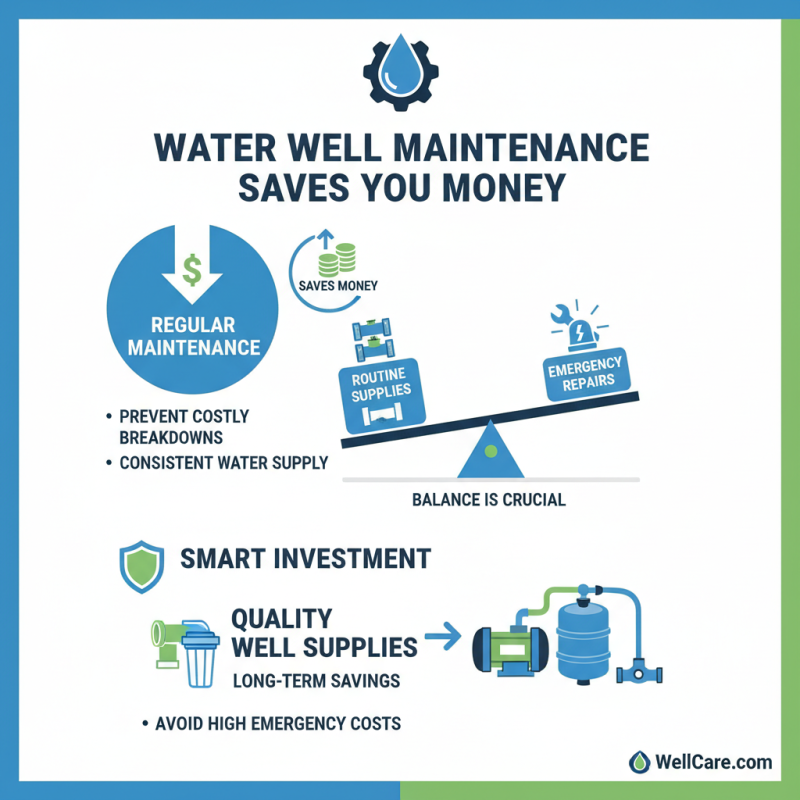
Regular maintenance of your water well can save you money. Costs for emergency repairs can be high. It’s crucial to balance regular supply purchases and unexpected fixes. Investing in the right well supplies may seem daunting, but it pays off.
Consider stocking up on essential supplies. Filters, pumps, and testing kits are vital. These components ensure your well remains functional. When you delay maintenance, problems worsen. Emergency repairs can be three times more expensive than regular upkeep.
**Tips:** Create a checklist. Include all necessary supplies. Regularly check the stock. Update it based on usage. Keep an emergency fund for unexpected issues, too. Think about potential future needs, like equipment upgrades. This proactive approach avoids last-minute chaos. Stay ahead of possible crises with careful planning.
The dilemma of cost vs. investment lingers. Some items may seem costly upfront. But their long-term benefits are undeniable. Investing in quality supplies now can prevent future headaches. The key lies in finding that delicate balance.
Sourcing and Selecting Trusted Suppliers for Well Maintenance Products
Choosing the right suppliers for your water well maintenance is crucial. Start by researching local suppliers who specialize in well products. Look for suppliers with a good reputation and positive reviews. It's essential to ask for recommendations from other well owners. They can provide insights based on their experiences.
When sourcing products, consider quality and reliability. Low-cost alternatives often compromise on these aspects. Compare product specifications carefully. Sometimes, a cheaper product may lead to higher long-term costs. Ask about warranties and return policies. This can save you money if the product doesn't meet your needs.
Tip: Always check certifications of the supplies. This ensures they meet safety standards. Another tip is to evaluate the supplier's customer service. Responsive suppliers can help you navigate any issues. Maintaining your well requires the best products and support, so choose wisely. You might find suppliers lacking in certain areas. Reflect on what matters most to you: price, quality, or service.