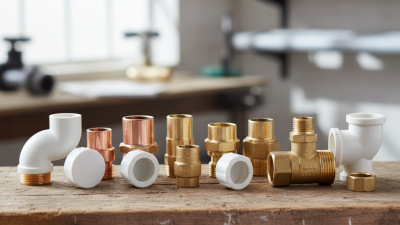
How to Choose the Right Pipe Supplies for Your Project?
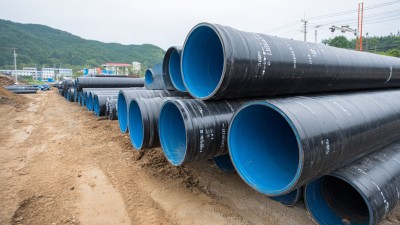
Choosing the right pipe supplies starts with understanding what the system must carry and where it will operate. Water, air, and drainage can require different materials, fittings, and joining methods. A pipe that looks suitable on a shelf may not handle the required pressure or temperature. Check the manufacturer’s specifications, including pipe diameter, pressure rating, and compatibility with the fluid. Small details matter. A mismatch can lead to leaks, premature wear, or difficult repairs.
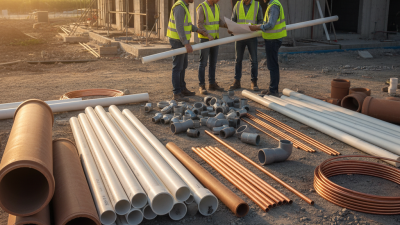
The installation environment matters too. Consider exposure to sunlight, moisture, chemicals, soil movement, and temperature changes. Then compare the requirements of the full system, not just the straight pipe: elbows, valves, adapters, supports, and sealants must work together. For example, a tight corner behind a cabinet may need a different fitting arrangement than an open run in a utility room. Measure carefully, and allow for access to joints that may need inspection.
A common planning mistake is choosing by price alone. A lower upfront cost may mean more maintenance or replacement later, though the most expensive option is not automatically best. Review product data and project requirements, and ask a qualified plumbing or engineering professional when pressure, safety, or compatibility is uncertain. Local building requirements may also affect acceptable products and installation methods. Even a careful parts list can miss something. Recheck connections and quantities before ordering, and revise the plan if actual site conditions differ from your measurements.
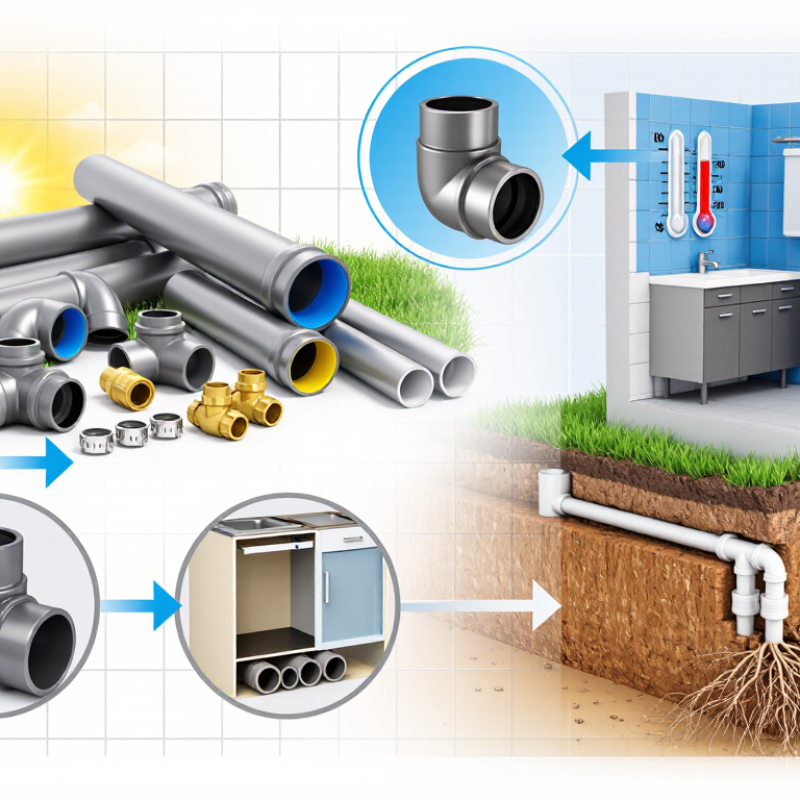
Define the Project’s Plumbing or Piping Requirements
Before choosing pipe supplies, define exactly what the system must carry: drinking water, wastewater, heating fluid, or another service. The contents affect material compatibility, while operating pressure and temperature help determine suitable pipe ratings. Write these values down rather than relying on a rough guess. Small differences matter.
Next, map the route and identify connection points, bends, supports, and access areas. A sketch with measured lengths can reveal where fittings or isolation valves may be needed. Consider flow demand too: a pipe that is too narrow can restrict delivery, while unnecessary oversizing may add cost and complicate installation. Check the project’s applicable plumbing requirements and have uncertain calculations reviewed by a qualified professional.
Site conditions deserve equal attention. Pipes near cold exterior walls may need freeze protection, while damp or corrosive spaces can affect material choices and support hardware. I would not assume that a familiar material suits every section; mixed conditions often call for closer review. Leave room for maintenance, especially around joints and shutoff points. A cramped connection is harder to inspect later. Record the chosen sizes, materials, and pressure limits before ordering, and revisit any assumption that has not been verified.
Compare Pipe Materials for the Intended Application
Choosing pipe starts with what will flow through it and where it will run.
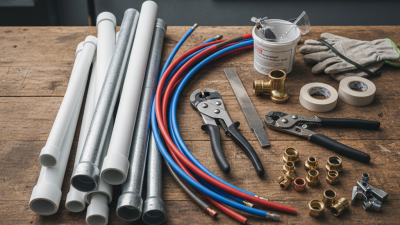
Cold-water lines, hot-water loops, drainage, and outdoor irrigation have different demands. Copper handles heat well and can last for decades when water chemistry is suitable, but it costs more and may corrode in aggressive water. PEX bends around joists with fewer joints, which can reduce leak points. However, sunlight can damage it, so exposed runs need protection. A quick fit matters. Check the pipe’s temperature and pressure ratings, not just its nominal size.
CPVC is used for hot and cold water because it resists many common chemicals, but it needs proper support and can become brittle with age or impact. Galvanized steel is strong, yet internal corrosion may narrow the passage over time. For drains, PVC is lightweight and easy to cut; temperature and load still matter. There is no perfect pipe. A cramped retrofit may favor flexible tubing, while a boiler room may call for heat-rated rigid pipe. I still find it easy to underestimate fittings and repair access.
Check appliance guidance, local plumbing requirements, and the pipe maker’s installation data before purchase.
Determine Pipe Size, Pressure Rating, and Temperature Limits
How to Choose the Right Pipe Supplies for Your Project?
Pipe size should match the required flow, not just an existing connection. Check the inside diameter, since nominal size may differ from the measured bore. An undersized line can restrict flow, while an oversized run may cost more and take up valuable space. Include fittings and valves in your layout; each can affect pressure loss. Measure twice. Use project drawings and technical specifications as your baseline.
Pressure ratings must cover normal operating pressure and possible surges, such as pump startup. A pipe’s allowable pressure can change with its material, diameter, joint type, and temperature. Do not rely only on a typical gauge reading. Temperature limits matter, too: heat can reduce pressure capacity, while cold conditions may make some materials more prone to damage. Check current product data and applicable project requirements before ordering. It is easy to overlook temperature when the system usually runs steadily.
Tips: Compare the pipe’s pressure rating at your actual operating temperature, not just at room temperature. Confirm that fittings and seals have compatible limits. If readings or conditions are uncertain, pause and ask a qualified piping professional to review the design. A small mismatch can become an expensive repair.
Select Compatible Fittings, Valves, and Support Components
How to Choose the Right Pipe Supplies for Your Project?
Select Compatible Fittings, Valves, and Support Components
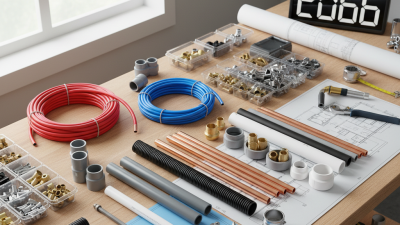
A reliable pipe layout depends on components that suit the same service conditions. Check the pipe material, fluid, operating pressure, and temperature before choosing fittings or valves. A connection that fits physically may still fail when its materials or joining method are incompatible.
Small mismatch matters.
Match each fitting to the pipe’s connection type, such as threaded, welded, or grooved. Confirm dimensions and pressure ratings against technical specifications, not appearance alone. For valves, consider what the system needs: isolation, flow adjustment, or backflow prevention. Also check that the valve’s materials are suitable for the fluid and expected temperature range.
Support components deserve equal attention. Select hangers and clamps that fit the pipe diameter and allow for its weight, movement, and thermal expansion. Follow applicable project specifications and manufacturer guidance for support spacing. Leave room to reach valve handles and service connections.
Access matters.
A common oversight is planning a neat route without considering maintenance; it can mean removing nearby pipework just to replace one valve. Dry-fit the assembly where practical, and resolve alignment issues before final connections.
Check Applicable Codes and Product Specifications
When choosing pipe supplies, check the codes and requirements that apply to the project’s location and intended use. Rules may differ for potable water, drainage, heating, or outdoor installations. Confirm which standards the local authority requires, and ask the project inspector or a qualified plumbing professional when requirements are unclear. A pipe that looks suitable may still fail inspection if its documented rating does not match the application.
Read product specifications before buying. Compare the pipe’s material, diameter, wall thickness, pressure rating, and temperature range with the system design. Check that fittings, valves, and joining methods are compatible; a small mismatch can cause leaks or make installation difficult. For example, a hot-water line needs supplies rated for the expected temperature, while buried piping may need protection suited to soil and moisture conditions. Keep product labels and technical documents available for verification. It is easy to focus on diameter and overlook operating limits. That deserves a second look.
Tips: Match the specification sheet to the actual pipe marking, not just the shelf label. Note required certifications, pressure limits, and installation conditions before ordering. If two documents appear inconsistent, pause and confirm the correct requirement rather than guessing. Even careful checks can miss a detail. Recheck.