Where to Find Top PVC Supplies in China?
China is a major destination for buyers seeking reliable pvc supplies, from resin and fittings to rigid and flexible products. Demand is closely tied to construction, infrastructure, and manufacturing. Fortune Business Insights estimated the global PVC market at about US$69.3 billion in 2023 and projected growth through 2032. This is a market estimate, not a guarantee of future demand. Still, it shows why supplier selection deserves careful attention.
Where should buyers begin? Look beyond a polished website or a low quotation. Check product specifications, factory or trading-company status, production capacity, quality-control records, and export experience. Request current technical data sheets and samples. For resin, confirm the grade, K-value, and intended processing method. For pipes or fittings, compare dimensions, material composition, and test documentation against your project requirements. Details matter.
Trade data can add context. UN Comtrade records international merchandise trade by product codes, including PVC resin under HS 390410. Use it to review trade flows, but not to judge an individual supplier’s reliability. That takes direct verification. Ask for traceable business information, inspect relevant certificates, and agree on inspection criteria before shipment. China’s supply base is broad, yet supplier information is not always easy to compare. That can be frustrating. A careful sourcing process helps distinguish competitive offers from incomplete ones—and leaves room to reassess assumptions when documents or samples do not match.
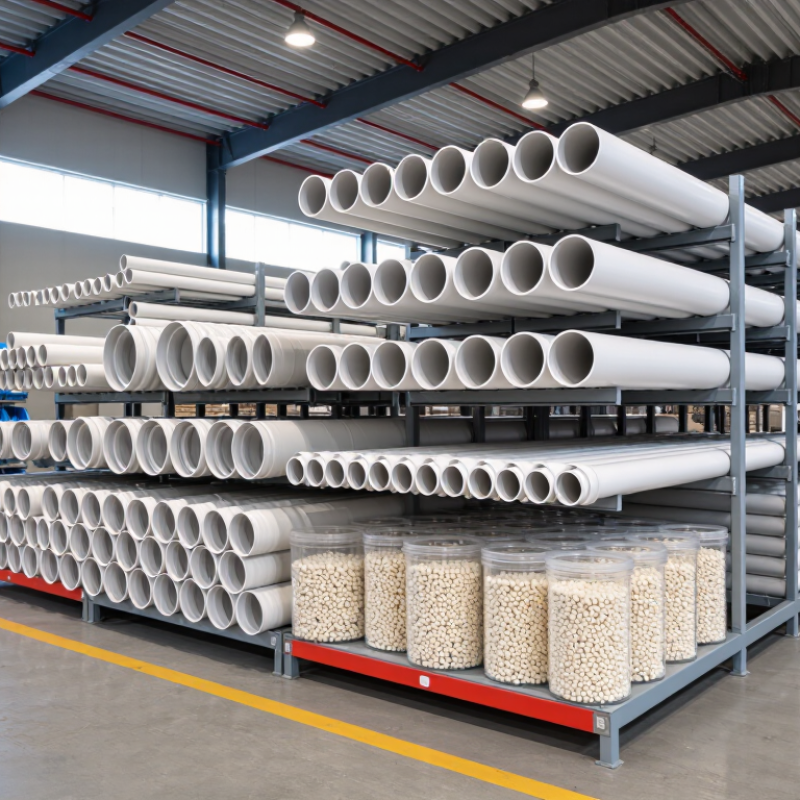
PVC Supply Categories and Their Uses in China
PVC supplies in China come in several forms, and each serves a different purpose.
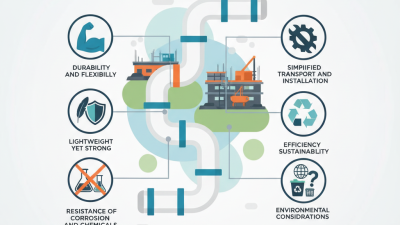
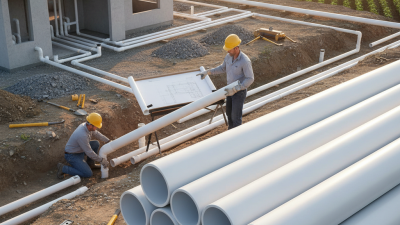
PVC resin is the base material used to produce rigid or flexible products. Pipes and fittings carry water, drainage, and process fluids in buildings, farms, and factories. Match the pipe class to pressure, temperature, and fluid type; appearance alone reveals little.
Rigid PVC profiles are used in window frames, doors, and cable trunking. PVC sheets suit wall linings, equipment covers, and sign panels, where low weight and easy fabrication can help. Flexible PVC compounds are used in hoses, flooring, and wire insulation. Small details matter. A formulation made for indoor flooring may age poorly outdoors under strong sunlight.
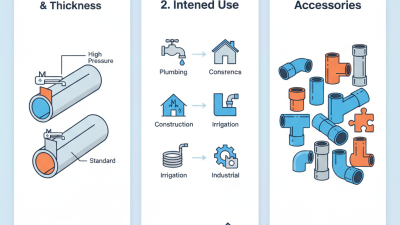
When sourcing, check the material grade, dimensions, tolerances, and intended service conditions. Request a current technical data sheet and inspect a sample for surface finish, brittleness, and consistent wall thickness. In coastal or hot regions, verify UV and temperature performance rather than assuming standard material will last. Suppliers may describe products differently, so compare specifications line by line. A low quotation alone does not prove value; testing and delivery consistency matter too. It is also easy to over-specify a product, so review each requirement against the actual use.
Major Chinese Regions for PVC Manufacturing and Distribution
China’s PVC supply network is spread across several industrial regions, each with a different role. Shandong has a strong base in chemical production and PVC resin. Jiangsu and Zhejiang host many processors making pipes, profiles, flooring, and films. In Zhejiang, industrial clusters near Ningbo and Hangzhou offer access to ports and component suppliers. Guangdong has a large downstream market, with manufacturers serving construction and packaging demand.
The regional picture is useful, but not exact. A supplier’s registered address may differ from its factory location, and some traders source from several provinces. It varies. Ask where the resin is produced, where goods are processed, and which port handles shipment. Request recent product specifications and sample checks; color, wall thickness, and surface finish can differ between batches. These details matter more than a broad regional claim.
Tips: Compare suppliers within the same product category and request factory documentation. Check whether stated capacity refers to one site or several. Allow time for a production audit; a rushed visit may miss important details.
Types of Suppliers: Producers, Distributors, and Trading Companies
Where to Find Top PVC Supplies in China?
Types of Suppliers: Producers, Distributors, and Trading Companies
China offers three common PVC supply routes: direct producers, regional distributors, and trading companies. Producers suit repeat orders, tailored specifications, and technical discussions about resin grades or pipe compounds. Ask whether the quoted material comes from the stated plant. The China Chlor-Alkali Industry Association’s 2023 industry statistics reported approximately 22.5 million tonnes of PVC output. This indicates a deep, varied supply base. Scale alone does not guarantee a good fit.
Distributors may hold stock near ports or industrial clusters, making smaller orders and quicker delivery easier. Trading companies can coordinate multiple grades, packaging, and shipments, but add another communication layer. Compare minimum order quantities, lead times, batch traceability, and test methods. Request a batch-specific certificate of analysis, then check a sample against your actual processing conditions. A polished datasheet is useful, but it cannot predict every production issue.
Tips: Send the same specification sheet to all three supplier types. Ask who issues the invoice and who handles quality claims. Confirm packaging, delivery terms, and sample results in writing. A low quote is not enough. Small details are easy to miss.
How to Evaluate PVC Suppliers and Product Quality
When evaluating PVC suppliers in China, begin with a clear specification, not a broad request for “good quality.” State the intended use, product dimensions, thickness range, color, and performance needs. PVC formulations vary, so a suitable grade for a rigid pipe may not suit a flexible sheet. Ask the supplier to explain material options and provide recent test records tied to the product being quoted. Check that document dates, product names, and batch details match. Look closely.
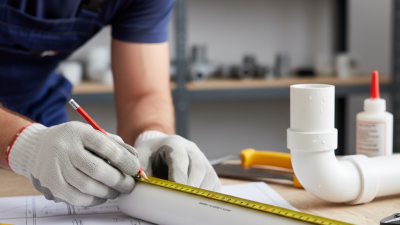
Request a production sample before placing a large order. Use a caliper to measure thickness at several points, and inspect cut edges, surface finish, and color in daylight. For products exposed to heat, impact, or chemicals, agree on relevant tests and acceptance limits in writing. Test the sample. A sample can still differ from mass production, so ask how batches are checked and identified. Photos of inspection steps help, but they do not replace records or physical checks. If possible, arrange an independent inspection before shipment. Compare packaging too: damp cartons, crushed corners, or unclear lot labels can make good material harder to verify on arrival. Supplier replies may sound confident; ask for specific evidence, and note any unanswered questions. I would not treat one perfect sample as proof of consistent production. That assumption deserves a second look.
Steps for Verifying and Sourcing PVC Supplies in China
Where to Find Top PVC Supplies in China?
Steps for Verifying and Sourcing PVC Supplies in China
Finding a suitable PVC supplier in China takes more than comparing prices. Define the product first: pipe, fittings, film, or sheet may require different grades and tolerances. Ask for a current technical data sheet, material details, and inspection records. Check that documents match the exact product and production site. A polished brochure proves little. Small details matter.
Request samples from the same grade you plan to order, then check dimensions, surface finish, and performance against your written specification. For larger orders, agree on pre-shipment inspection criteria and how defects will be handled. Verify the supplier’s business details and production capacity through a video call or site visit when practical. Certificates can help, but confirm their scope and issuing body. This step is easy to rush, and a sample may not represent every batch.
Tips: Keep quotes, specifications, and sample results in one file. Ask who handles quality checks and how often they occur. Clarify packaging, lead time, and replacement terms before paying. If an answer stays vague, pause and ask again. I would not treat the lowest quote as the best value; inconsistent dimensions can cost more after delivery.