What is a Flammable Safety Cabinet and Why You Need One?
In workplaces that handle hazardous materials, safety is paramount. A Flammable Safety Cabinet is essential for proper storage of flammable liquids. According to the National Fire Protection Association (NFPA), over 7,000 workplace fires are reported annually in the U.S., many linked to improper storage. These cabinets significantly mitigate this risk.
Dr. Karen Foster, a safety compliance expert, states, "Flammable Safety Cabinets are critical for protecting both people and property." Her insights highlight the urgency of using these cabinets. In many cases, organizations invest in these safety measures after incidents occur. This reactive stance can often lead to severe consequences.
A Flammable Safety Cabinet not only protects against fire but also complies with OSHA regulations. Inadequate storage increases the likelihood of accidents and legal penalties. While some businesses still overlook the importance, the data speaks for itself. Implementing these cabinets is not just a recommendation; it is a matter of safety and responsibility in today’s industrial environment.
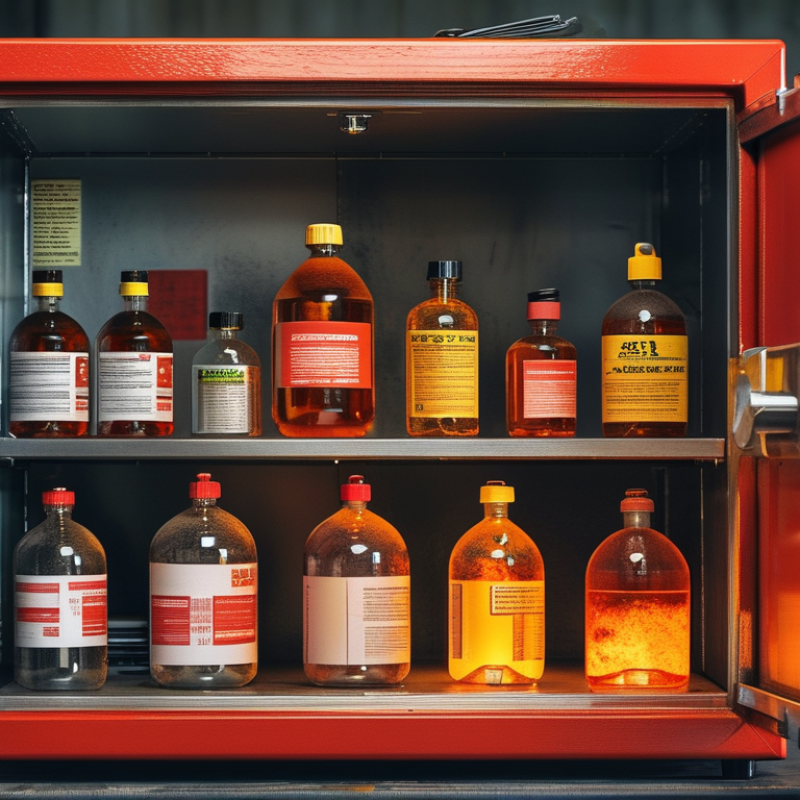
What is a Flammable Safety Cabinet?
A flammable safety cabinet is a specialized storage solution designed to secure combustible materials. These cabinets play a crucial role in minimizing the risk of fire in workplaces where flammable substances are present. According to the National Fire Protection Association (NFPA), nearly 20% of all workplace fires are attributed to the improper storage of flammable liquids. The use of a flammable safety cabinet can help mitigate these risks significantly.
Constructed with fire-resistant materials, flammable safety cabinets can withstand extreme temperatures. They often feature double-walled construction and come with an integrated air venting system. The design minimizes ignition sources and ensures that any spilled liquids are contained. In fact, data indicates that utilizing these cabinets can reduce the risk of fire-related incidents by up to 65%. It’s vital to regularly maintain these cabinets and check for any potential leaks or damage.
Despite their importance, not all organizations use flammable safety cabinets. Some may underestimate their value, leading to preventable accidents. Training employees on proper usage is crucial, yet often overlooked. Understanding the importance of these safety cabinets can enhance workplace safety and promote a safer environment for all.
What is a Flammable Safety Cabinet and Why You Need One?
| Feature | Description |
| Purpose | Designed to safely store flammable liquids and hazardous materials. |
| Material | Typically made of steel for durability and fire-resistance. |
| Capacity | Available in various sizes, ranging from small cabinets to large storage units. |
| Safety Features | Includes self-closing doors, ventilation systems, and lockable features. |
| Regulatory Compliance | Must comply with OSHA and NFPA regulations for storing hazardous materials. |
| Applications | Used in laboratories, industrial settings, pharmacies, and workshops. |
| Benefits | Enhances safety, minimizes fire hazards, and ensures regulatory compliance. |
Key Features of Flammable Safety Cabinets
Flammable safety cabinets are essential for any workspace dealing with hazardous materials. These cabinets are designed to store flammable liquids safely. They provide vital protection against fire hazards. A well-constructed cabinet can prevent fires from spreading. They achieve this by creating a secure, fire-resistant environment for flammable substances.
Key features of flammable safety cabinets include double-walled construction. Many cabinets have insulated walls that enhance fire resistance. This design helps mitigate the risk of ignition. Moreover, these cabinets are equipped with self-closing doors. This feature ensures that the cabinet remains sealed during a fire. Additionally, cabinets often have built-in ventilation systems. These systems help disperse vapors, reducing the risk of accumulation.
The interior of a flammable safety cabinet usually includes adjustable shelves. This flexibility accommodates various container sizes. Labels are also an important aspect. Clear labeling helps avoid confusion and ensures safe handling. When properly organized, it becomes easier to locate materials. However, some cabinets may not be as durable as expected. Regular inspections are necessary to maintain safety standards. One should remain vigilant about potential wear and tear.
Importance of Flammable Safety Cabinets in Workplaces
In many workplaces, flammable materials are a common hazard. These substances pose serious risks if not stored correctly. A flammable safety cabinet is essential for managing these risks. It provides a specialized storage solution designed to contain and protect against fires. By using these cabinets, organizations ensure compliance with safety regulations.
Workers who handle chemicals need to be aware of their potential dangers. A flammable safety cabinet reduces the likelihood of accidents. For instance, it helps to contain spills and vapors, thus minimizing exposure. The cabinets are built from materials that resist fire for a certain period. This offers crucial time for staff to react. Having such a cabinet can significantly lower potential liabilities.
However, simply buying a cabinet is not enough. Employees must be trained on its use. They should understand how to properly store materials and inspect the cabinet regularly. Misuse or neglect could lead to serious consequences. Reflecting on current practices can help identify areas for improvement. Safety should always be a priority.
Regulatory Standards for Flammable Safety Cabinets
Regulatory standards for flammable safety cabinets are crucial to ensure workplace safety. These cabinets are designed to store flammable liquids securely. Compliance with standards such as NFPA (National Fire Protection Association) and OSHA (Occupational Safety and Health Administration) is essential. These regulations dictate the construction, labeling, and maintenance of safety cabinets. A proper flammable safety cabinet must be made from durable materials and able to withstand fire exposure.
Employers need to be aware of the specific requirements for their industry. Each standard has unique provisions to mitigate risks associated with flammable materials. For instance, it's vital to understand the maximum storage capacities defined by regulations. Regular inspections and maintenance checks are also part of compliance. Ignoring these aspects can lead to severe consequences. It raises questions about how often facilities engage with these requirements and whether they keep up with the latest updates.
Additionally, understanding local codes can be complex. While some companies may meet federal standards, they may still fall short at state or local levels. It’s important for businesses to stay informed. Inadequate knowledge can place employees at risk. Assessing your current storage options against these regulations can help identify potential gaps or areas needing improvement. Being proactive is key to safety and compliance.
Choosing the Right Flammable Safety Cabinet for Your Needs
When choosing a flammable safety cabinet, it's crucial to understand your specific needs. A properly selected cabinet can significantly reduce the risk of fire hazards. According to the National Fire Protection Association (NFPA), flammable liquids accounted for over 87% of the fires in industrial settings. Such statistics underscore the importance of investing in a suitable cabinet that meets safety regulations and protects your workspace.
Consider factors such as size, material, and storage capacity. For instance, a cabinet made from double-walled steel offers better fire resistance. The cabinet should also have a spill containment feature, as these systems can mitigate the risks associated with liquid leaks. The Occupational Safety and Health Administration (OSHA) mandates specific safety measures for storing flammable materials. Failure to comply can lead to penalties and significant accidents.
Assess your inventory needs carefully. Overloading a cabinet can compromise its integrity. A cabinet that holds too many containers may not provide adequate ventilation. It's also worth examining the shelving design. Adjustable shelves can accommodate various container sizes, maximizing efficiency while ensuring safety. Balancing these elements requires thoughtful planning and ongoing evaluation of your storage practices.
