
Request A Quote

Phone: 416-244-6476
Email:

    10 Folding Tent Buying Tips for Global Buyers

    Buying a Folding Tent is no longer a simple price comparison. Global buyers must assess fabric, frame strength, packing size, weather resistance, safety, and supplier reliability. Grand View Research reports that the global camping tent market reached approximately USD 3.57 billion in 2023, with continued growth expected through 2030. Fortune Business Insights also identifies rising outdoor recreation and event use as important demand drivers.

    “ A dependable folding shelter should save time before it saves money,” says Mark Schreiber, a shelter-product engineering consultant. His point is practical. A tent that opens quickly but bends in strong wind is not a reliable investment. Buyers should inspect aluminum or galvanized-steel frames, reinforced corners, waterproof ratings, seam treatment, and replacement-part availability. Touch the fabric. Check the joints. Ask for test evidence.

    The ten tips in this guide focus on decisions that affect real use. A crowded trade-show floor needs fast installation. A roadside market needs stable anchoring. A rainy campsite needs sealed seams and adequate drainage. Small details matter.

    A low price can still be expensive.

    Some buyers may overvalue appearance and underestimate logistics. That mistake is common. Folding Tent specifications should match the climate, application, transport method, and expected service life. Certification documents, factory audits, sample testing, and clear warranty terms also support E-E-A-T-based purchasing decisions. Market reports provide useful direction, but they cannot replace hands-on inspection. That part remains imperfect, and worth questioning.
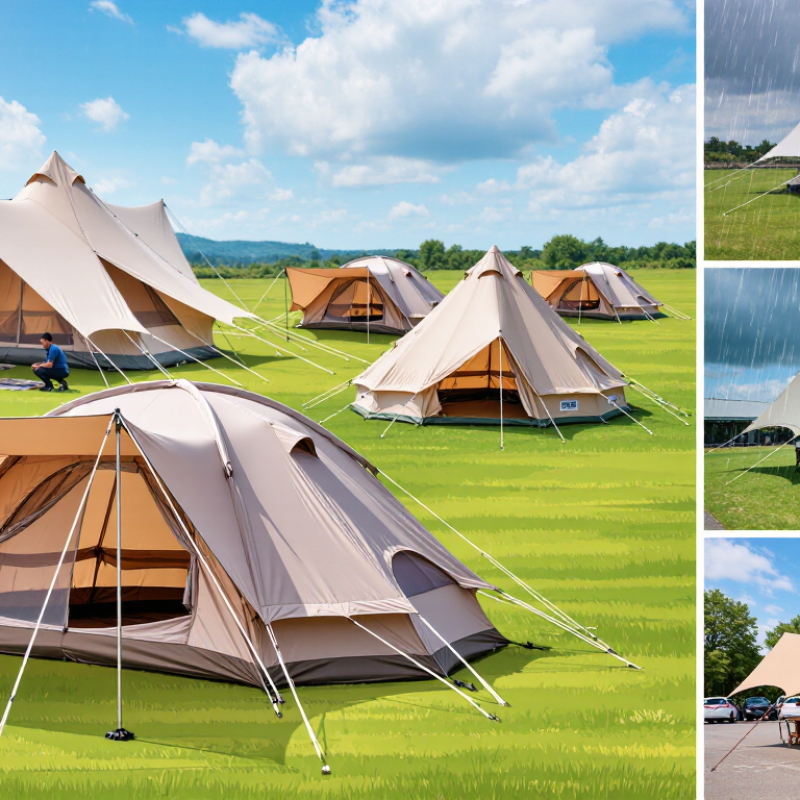
    10 Folding Tent Buying Tips for Global Buyers

    Define Your Event Needs and Tent Usage Scenarios

    Define Your Event Needs and Tent Usage Scenarios

    A folding tent should match the event, not merely the available budget. A weekend market needs quick setup, clear entrances, and protection from changing weather. A wedding may require sidewalls, flooring, lighting space, and a more polished interior. Write down the guest count, event hours, surface type, and transport distance before comparing models.

    Measure the real footprint carefully. A 3 x 3 meter tent suits a small information table, while food service may need more depth and separate customer flow. Check the venue rules for anchoring, fire safety, and maximum structure size. On concrete, use approved weights instead of ground stakes. Wind exposure matters greatly. Open fields demand stronger anchoring and careful weather monitoring.

    I once underestimated storage space for sidewalls and weighted bases. It created unnecessary transport problems. That mistake changed my buying checklist. Ask how many people can assemble the tent safely, and test the process before event day. Look for clear instructions, replaceable parts, stable frames, and fabric with stated water and UV resistance. Do not trust vague claims. Review technical documents and request load guidance from the supplier. A tent used for two hours differs from one exposed all day, every week. Your usage pattern should determine durability, accessories, and maintenance needs.

    Compare Tent Sizes, Shapes, Materials, and Weather Resistance

    For global buyers, tent size should match both user count and equipment load. A 3 x 3 meter canopy suits four standing adults, but feels cramped with tables and cartons. Measure packed transport space too; a large shelter may not fit a vehicle, lift, or storage room. Side height matters when visitors carry bags or display goods. I have found that usable floor area is often smaller than catalog dimensions. Check the frame footprint, not only the roof measurement.

    Shape changes stability and usable space. Square roofs simplify table layouts, while rectangular models fit narrow stalls or entrances better. Sloped edges can shed rain, yet they reduce headroom near the corners. Steel frames usually provide stronger support, but they add weight and may corrode without proper coating. Aluminum is lighter and easier to carry, though thin sections can flex under repeated loading. Polyester fabric dries quickly; heavier coated fabric often blocks more water and sunlight. Inspect seams, stitching, and attachment points. Small details matter.

    Weather resistance requires more than a waterproof label. Look for hydrostatic water ratings, taped seams, reinforced corners, and adjustable guy lines. In windy areas, broad roofs need secure anchoring and lower side panels. Never rely on weight alone. Snow and ice require a frame rated for those loads; many folding tents are not designed for them. UV exposure gradually weakens fabric, even when color remains bright. Ask for test methods and replacement-part availability. Specifications can be unclear, so request written load limits before purchasing. A useful choice may still be imperfect. Local climate data and actual site conditions deserve a final check.

    Check Frame Quality, Setup Methods, Portability, and Storage

    10 Folding Tent Buying Tips for Global Buyers

    Frame quality deserves close inspection. Look for even welds, firm joints, and locking pins that engage without force. Aluminum frames reduce weight, while reinforced steel frames often tolerate repeated commercial use. ISO 5912:2022 specifies safety and performance tests for camping tents, including stability and rain resistance. Ask suppliers which tests were completed, not merely which standards they mention. Small details matter. A loose hinge can become a serious failure during a crowded event.

    Setup methods affect labor, training, and safety. Practice opening the tent on uneven ground, wearing gloves, and working with two people. Telescopic legs should extend smoothly and lock audibly. Scissor mechanisms should not pinch fingers. The Outdoor Industry Association’s 2024 report recorded 175.8 million U.S. outdoor participants in 2023, showing why fast, repeatable setup matters across busy markets.

    Portability also needs measurement. Compare total weight, packed length, wheel quality, and handle comfort. A compact frame is useless if one person cannot lift it safely. Storage is often overlooked. Dry the canopy completely before packing, and keep the frame ventilated in a dry room. ASTM F3431/F3431M covers soft-sided portable shelter considerations, but local weather exposure still requires judgment. I once underestimated packed volume; the tent fit the vehicle, but not the storage aisle. That mistake was avoidable.

    Evaluate Safety Features, Certifications, Customization, and Accessories

    10 Folding Tent Buying Tips for Global Buyers

    A folding tent should feel stable before it looks attractive. Check the frame joints, locking pins, roof connections, and stitching under gentle pressure. Sharp edges, loose fittings, or weak seams deserve immediate questions. I have seen attractive tents fail because buyers examined fabric color, not joint strength. Ask for wind, water, and load test evidence. Certification marks alone are not enough. Request current test reports, issuing laboratories, and product identification. Requirements differ across markets, so confirm documents with local authorities or qualified inspectors. Materials should also have suitable fire performance for the intended location. Do not assume one certificate covers every component.

    Customization can improve usability, but it may alter safety. Heavier graphics can increase wind resistance. Extra walls may reduce ventilation. Discuss fabric weight, printing methods, roof design, drainage, and anchoring before approving artwork. A useful supplier should explain limitations clearly, including what the warranty excludes. That honesty matters. My own mistake was treating customization as decoration only. It changed setup time and required more ballast. The design looked better, but the team worked harder.

    Accessories often decide whether a tent performs well outdoors. Consider proper anchors, ballast bags, sidewalls, rain gutters, floor mats, carry cases, repair kits, and replacement connectors. Cable covers can reduce trip risks around lighting or display equipment. Choose accessories that match the frame and climate. Test the complete set before shipment. A dry warehouse test is useful, but it is not a storm. Record setup steps with photographs, and train every user. Small omissions become expensive during events. Check spare parts availability, packaging strength, and after-sales response before placing a large order.

    Review Suppliers, Pricing, Warranty Terms, and Global Shipping Options

    Global buyers should inspect folding-tent suppliers beyond attractive product photos. Check factory ownership, production capacity, material certificates, and recent export experience. Ask for a video inspection or a sample with visible seam stitching. Confirm frame alloy, fabric weight, waterproof rating, UV treatment, and replacement-part availability. Require a written quotation showing unit price, tooling, packaging, inspection, and payment terms. Compare at least three offers, because the lowest price may hide thinner fabric or weaker hinges.

    The World Bank’s Logistics Performance Index 2023 evaluates customs, infrastructure, tracking, and delivery reliability across 139 economies, making it useful for supplier screening.

    UNCTAD’s Review of Maritime Transport 2023 reports that shipping carries over 80% of world merchandise trade by volume, so route disruptions can quickly affect landed costs.

    Pricing needs a practical worksheet. Add freight, insurance, import duties, destination handling, and possible storage fees. Request both FOB and DDP quotations, but verify exactly who handles customs clearance. Ask whether the supplier can ship by sea, rail, air, or multimodal service. Smaller orders may need consolidation.

    Read warranty terms line by line. A three-year frame warranty means little if labor, freight, or fabric damage is excluded. Confirm claim evidence, response time, spare-part pricing, and return procedures. Test one tent before a larger order. It is slower, but cheaper than correcting a container-wide mistake.

    Check carton dimensions, pallet limits, labeling, and destination voltage requirements for accessories. Keep inspection photos and approved specifications.

    The details matter. Suppliers may promise more than they document.