What is a Gate Valve and How Does It Work?
A Gate Valve is a crucial component in many fluid systems. It functions primarily to open or close the flow of liquids or gases. Understanding how this valve works can help in making informed decisions about its use in various applications.
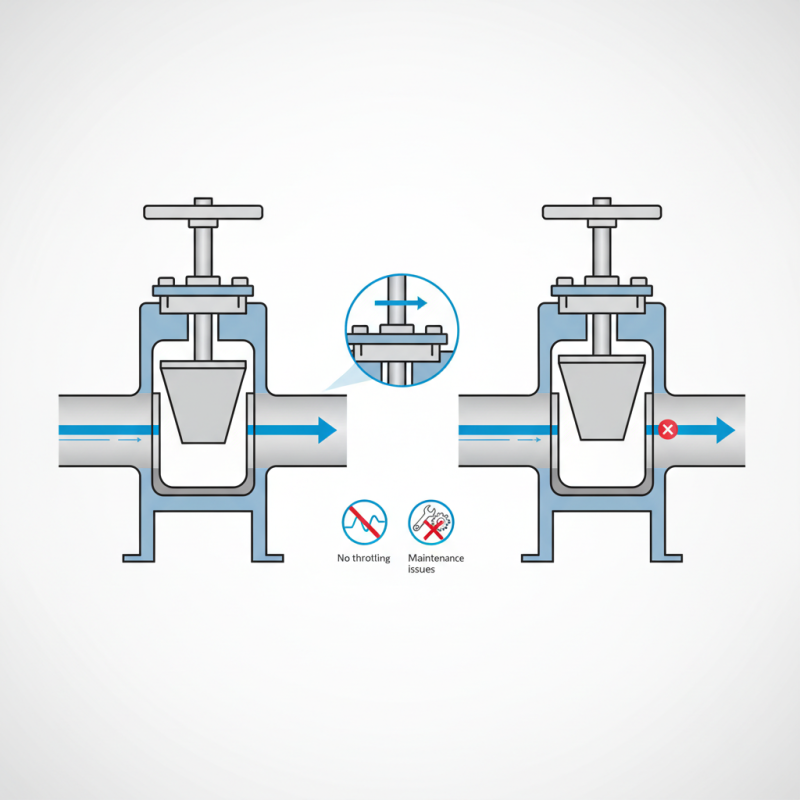
Gate Valves are designed with a wedge-shaped metal disc. This disc moves perpendicular to the flow, allowing for a tight seal when closed. While they work effectively for on/off control, they are not suited for throttling. This limitation makes their application more specific.
There are challenges to consider. Gate Valves can become stuck after prolonged use, leading to maintenance issues. Additionally, the design of the valve may restrict flow rates under certain conditions. These points highlight the need for cautious handling and regular inspection.
What is a Gate Valve?
A gate valve is a type of valve used to control the flow of fluids. It features a wedge-shaped gate that moves up and down to either block or allow flow. The design is simple, often providing a tight seal. In fact, reports indicate that gate valves are best for on/off operations, with about 70% of their use focused on this application.
When in the open position, gate valves typically have low flow resistance. This feature makes them suitable for high flow applications. However, if left partially open, they can lead to turbulence and increased wear. The risk here is significant; studies show that improper use leads to a 30% increase in maintenance costs for pipelines. Proper training on the operation of gate valves can mitigate these risks.
Gate valves are often made from a variety of materials. Commonly used materials include cast iron, stainless steel, and brass. Each material serves different needs and environments. Approximately 40% of industrial applications require corrosion-resistant materials due to harsh conditions. It’s crucial to select the right type of gate valve based on its specific application. This decision is not without consequence; incorrect choices may result in failure or costly leaks, leading to operational downtime.
Gate Valve Usage Statistics by Industry
Components of a Gate Valve
A gate valve is a crucial component in many piping systems. It works by lifting or lowering a gate to control flow. Understanding its parts can help users grasp how it operates.
The primary components of a gate valve include the body, gate, seat, and actuator. The body is the main structure, typically made from metal. This component houses the internal parts and connects to the pipeline. The gate, positioned within the body, moves vertically to allow or restrict flow. It's essential for the gate to fit snugly against the seat to prevent leaks. The seat is where the gate seals off the flow when closed.
The actuator controls the gate’s movement. It can be operated manually or automatically. Manual actuators often use a handwheel, while automatic ones might leverage pneumatic or electric power. It's important to ensure proper alignment during operation. Any misalignment can lead to malfunction or leaking.
Regular maintenance is key to extending the valve's lifespan. Over time, wear and tear can lead to reduced performance. Users often overlook this aspect, resulting in costly repairs down the line.
How Does a Gate Valve Work?
A gate valve is a type of valve used to control the flow of liquids and gases. It operates by raising or lowering a barrier, called a gate, within the valve body. When the gate is fully lifted, the flow is unrestricted. This design allows for minimal pressure drop and full flow in open position.
Understanding how a gate valve works is vital for efficient fluid management. When closed, the gate sits tightly against the valve seats, creating a seal that prevents any leakage. However, if the gate becomes damaged or misaligned, it can lead to leaks. Regular inspections can help identify these issues early.
Actuating a gate valve typically involves a wheel or lever. As you turn the handle, the gate moves vertically. This mechanism might seem simple, yet it can become complicated with wear and tear over time. Misalignment is a common issue. It’s essential to ensure proper installation and maintenance. This ensures the valve functions correctly and prevents costly failures.
Applications of Gate Valves in Various Industries
Gate valves serve crucial roles across various industries. They excel in applications requiring complete shut-off. For instance, in the oil and gas sector, gate valves regulate flow in pipelines. According to a report by MarketsandMarkets, the global gate valve market is projected to reach $8.4 billion by 2025. This growth reflects their essential function in energy production.
In water supply and treatment facilities, gate valves are common. They help manage water distribution efficiently. The American Water Works Association notes that poorly functioning valves can lead to significant water loss. The right maintenance is vital. Still, some facilities overlook this aspect, highlighting a gap in operational efficiency.
Mining operations also utilize gate valves for controlling slurry and bulk materials. Their design minimizes pressure drop. However, improper installation can hinder performance. Issues can arise that affect productivity. Ensuring proper handling and installation is often neglected, leading to costly repairs. This oversight underscores the need for continuous training and evaluation in valve management practices.
What is a Gate Valve and How Does It Work? - Applications of Gate Valves in Various Industries
| Industry | Application | Material Used | Operating Temperature Range | Pressure Rating |
| Water Supply | Control of water flow | Cast Iron | -20°C to 80°C | PN10 |
| Oil and Gas | Shut-off and isolation | Stainless Steel | -40°C to 120°C | Class 300 |
| Chemical Processing | Fluid control | PVC | 0°C to 60°C | ANSI 150 |
| Power Generation | Steam isolation | Carbon Steel | -10°C to 620°C | Class 600 |
| Pharmaceutical | Steam and gas control | 316L Stainless Steel | 0°C to 150°C | PN40 |
Advantages and Disadvantages of Using Gate Valves
Gate valves offer distinct advantages and disadvantages in various applications. Their primary advantage lies in their ability to provide a tight seal when fully closed. According to a report from the American Society of Mechanical Engineers, gate valves can achieve a leakage rate as low as 0.01%. This makes them ideal for applications where preventing fluid leakage is critical, such as in water supply systems. The straightforward operation of gate valves allows for full flow, minimizing pressure drops when open.
However, gate valves come with notable drawbacks. One major issue is their slow operation. Fully opening or closing a gate valve can require multiple turns of the handle, which is not ideal for systems needing rapid adjustments. A journal published in the Journal of Petroleum Technology noted that more than 20% of maintenance issues in industrial systems are attributed to slow-acting valves. This can lead to operational delays. Additionally, they are not suitable for throttling applications because partially opened gate valves can create turbulence and damage the sealing surface over time. The challenge lies in balancing the benefits and limitations for optimal performance.