What is LED Surgical Light and How Does It Benefit Surgery?
LED Surgical Lights are revolutionizing modern surgery with their advanced illumination capabilities. According to a report by MarketsandMarkets, the global LED surgical light market is projected to reach $1.9 billion by 2025. This growth reflects the increasing demand for high-quality lighting in surgical settings. With superior brightness and color accuracy, LED Surgical Lights enhance visibility and precision for surgeons.
Dr. Emily Harris, a leading expert in surgical technology, emphasizes, "The clarity offered by LED lights significantly improves surgical outcomes." These lights offer consistent brightness and lower heat emission, which reduces the risk of heat-related complications during lengthy procedures. However, some surgeons report challenges in adjusting to the color temperature of these lights, highlighting a need for ongoing training.
Despite their advantages, issues like high initial costs and maintenance may deter some healthcare facilities from adopting LED Surgical Lights. Addressing these concerns is essential for widespread implementation. Each advancement carries a responsibility to ensure the best practices are followed, making continuous education and adaptability crucial in the surgical arena.
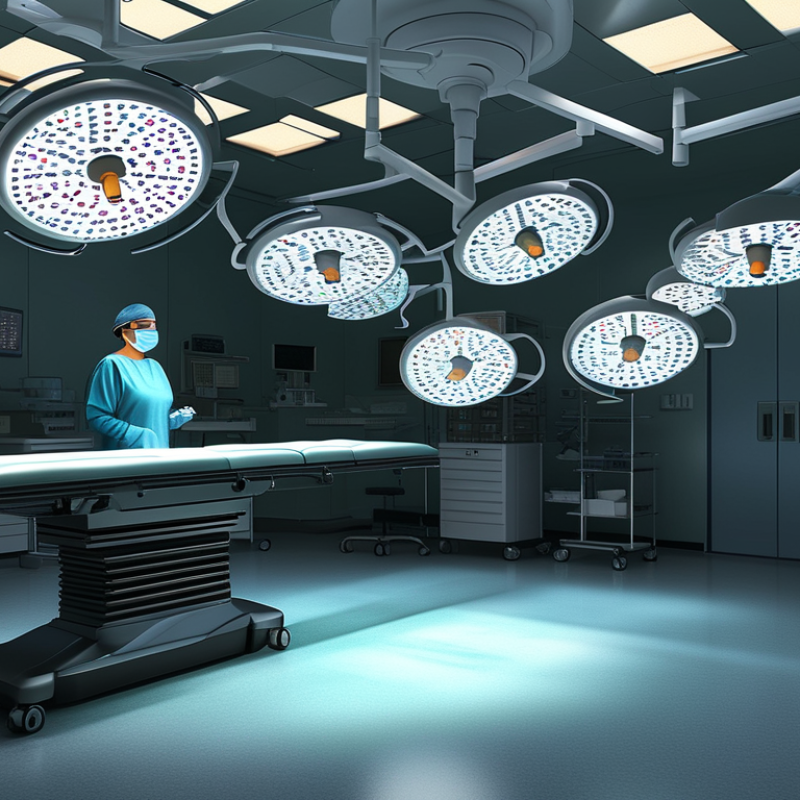
What is LED Surgical Light?
LED surgical lights are a crucial part of modern operating rooms. They provide high-quality illumination that enhances the visibility of surgical sites. These lights use LED technology to produce bright, focused light. This helps surgeons see fine details more clearly. Unlike traditional lights, LED surgical lights generate less heat. This creates a more comfortable working environment for the surgical team.
Using LED surgical lights has other benefits. They consume less power, making them energy-efficient. Additionally, LED lights have a longer lifespan compared to conventional bulbs. This means fewer replacements are needed, saving costs over time. Surgeons appreciate the ability to adjust light intensity easily. A well-lit area reduces the risk of errors during procedures.
When choosing LED surgical lights, consider the positioning. Proper alignment can eliminate shadows. Also, think about the color temperature. A light closer to natural daylight can help with color accuracy. Ensure the lights meet all safety standards. They must not interfere with other medical equipment. Regular maintenance is vital to ensure optimal performance. By focusing on these factors, healthcare facilities can optimize their surgical lighting for better outcomes.
Benefits of LED Surgical Lights in Surgery
This chart illustrates the perceived benefits of LED surgical lights based on a scale from 1 to 10. The features assessed include brightness, energy efficiency, durability, heat emission, and color rendering, highlighting the favorable attributes that make LED surgical lights advantageous in medical procedures.
The Technology Behind LED Surgical Lights
LED surgical lights have transformed the operating room environment. These lights provide bright, shadow-free illumination. The technology behind these lights focuses on energy-efficient LEDs that last longer than traditional bulbs. This innovation helps reduce the frequency of replacements, which can disrupt surgical schedules.
An important aspect of LED surgical lights is their ability to adjust color temperature. This feature allows surgeons to see tissues accurately, improving precision during procedures. The lights can also dim without flickering, ensuring optimal visibility at all times. Additionally, they generate less heat, creating a more comfortable environment for both patients and medical staff.
Tip: When choosing surgical lighting, consider the light's CRI (Color Rendering Index). A higher CRI improves visibility.
Improved ergonomics is another benefit. Modern LED lights can be easily maneuvered, allowing for flexible positioning. This adaptability enhances the surgeon's view. However, it's crucial to ensure proper calibration to avoid uneven lighting, which can lead to mistakes.
Tip: Regular maintenance checks are essential. Inspect lights for any signs of wear and ensure they function optimally during each surgery.
Advantages of Using LED Surgical Lights in Surgical Procedures
LED surgical lights have transformed operating rooms with their advanced technology. These lights offer bright, adjustable illumination that enhances visibility during surgical procedures. According to a study by the American College of Surgeons, the use of LED lights can improve task performance and reduce the risk of errors. This is crucial, as even minor mistakes can lead to significant complications. The ability to adjust the color temperature of LED lights allows surgeons to see tissues clearly, aiding in precise procedures.
One of the main advantages of LED surgical lights is energy efficiency. These lights consume up to 75% less energy than traditional halogen lights. This results in lower operational costs over time. Additionally, LED lights have a longer lifespan, often lasting over 50,000 hours. This means fewer replacements and less waste, making them an environmentally friendly choice.
Tip: Always ensure that the surgical lights are positioned correctly. Poor positioning can cause shadows, affecting visibility. Regular maintenance checks are essential. They maintain optimal performance and prevent any unexpected failures. Consider training staff on the correct use of lighting to maximize its benefits.
Impact of LED Lighting on Surgical Outcomes
LED surgical lights have transformed the operating room. Their ability to provide bright, cool light can significantly enhance visibility. This is vital during intricate surgical procedures. Reports indicate that effective lighting can reduce the risk of surgical errors. A study by the Journal of Surgical Research highlights that improved lighting decreased complication rates by nearly 25%.
The quality of light impacts surgeons' performance. LED lights minimize shadows and color distortion. This clarity allows for precise movements and decision-making. In a 2021 survey, over 80% of surgeons expressed that LED lighting improved their confidence. Such advancements have become a standard in many hospitals.
Despite these benefits, challenges remain. Not all hospitals can afford the latest lighting technology. Additionally, some surgical teams may be slower to adopt LED systems. A gradual transition might hinder potential improvements in surgical outcomes. Awareness and education about LED lights are crucial for maximizing their benefits. The data reflects a need for ongoing research and adaptation in lighting solutions.
Comparative Analysis: LED vs Traditional Surgical Lights
LED surgical lights have gained popularity in operating rooms due to their numerous advantages over traditional incandescent options. These modern lights offer a brighter, whiter, and more focused beam, enhancing visibility during intricate procedures. They reduce shadows and illuminate deeper surgical fields, which is critical for successful outcomes. In contrast, traditional lights often create heat and may require frequent bulb changes, leading to disruptions in surgical workflows.
In a comparative analysis, LED lights consume less energy than their counterparts, translating to lower operational costs. They also have a longer lifespan, which minimizes the need for replacements. This efficiency is crucial in high-pressure surgical environments where time and reliability are paramount. Additionally, LED lights can reduce the thermal load in the operating room, creating a more comfortable experience for both the surgical team and the patient.
**Tip:** Consider the color temperature of surgical lights. A cooler hue mimics natural daylight, which can help surgeons maintain focus without straining their eyes.
Even with all these benefits, it is essential to recognize that LED lights may require adjustments during initial setups. Learning how to position them for maximum effectiveness takes practice.
**Tip:** Regular training can help surgical teams optimize light usage, ensuring performance benefits are fully realized during procedures.
What is LED Surgical Light and How Does It Benefit Surgery? - Comparative Analysis: LED vs Traditional Surgical Lights
| Feature | LED Surgical Light | Traditional Surgical Light |
| Lumens Output | Up to 160,000 lumens | Approximately 100,000 lumens |
| Energy Efficiency | Highly energy-efficient | Less energy-efficient |
| Heat Generation | Minimal heat generation | Significant heat generation |
| Lifespan | Up to 50,000 hours | Approximately 1,500 hours |
| Shadow Reduction | Excellent shadow reduction | Medium shadow reduction |
| Cost | Higher initial investment | Lower initial investment |
