What is Pipe Supplies and Why Are They Essential for Construction?
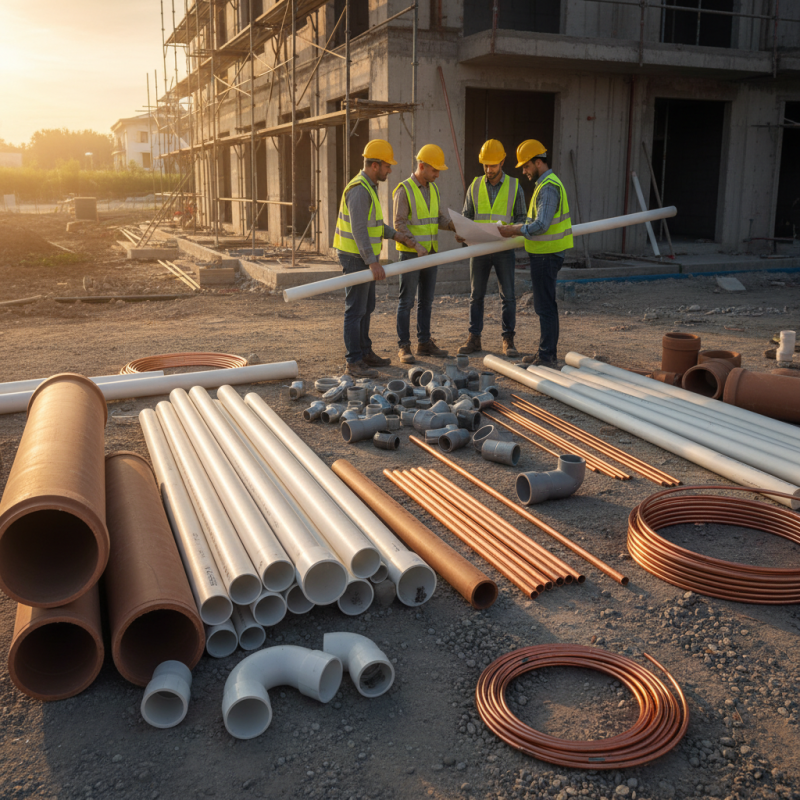
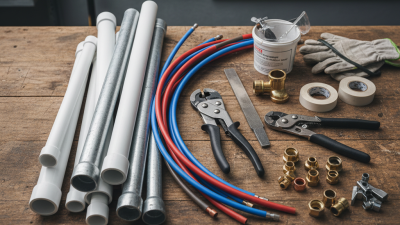
Pipe supplies play a crucial role in construction projects. They include various types of pipes and fittings essential for plumbing, drainage, and HVAC systems. Proper selection and quality of these materials can impact the overall efficiency of a building.
When it comes to construction, not all pipe supplies are created equal. Each type has a specific use, from PVC pipes used in drainage systems to copper pipes for water supply. Misunderstanding these differences can lead to costly mistakes. Builders must choose the right materials based on their project requirements.
Inadequate pipe supplies can result in leaks and structural issues over time. This underscores the importance of using high-quality products. Despite the available options, some builders still opt for cheaper alternatives. Ultimately, investing in proper pipe supplies can save money in the long run.
What Are Pipe Supplies and Their Role in Modern Construction?
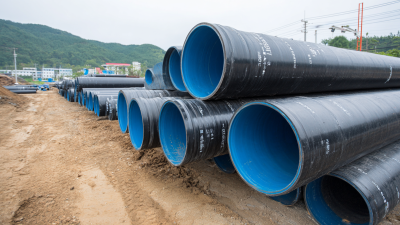
Pipe supplies play a crucial role in modern construction. These supplies include various types of pipes, fittings, and connectors. They transport essential fluids, such as water and gas, throughout buildings. The reliability of these systems is vital for safety and functionality. Poor quality pipes can lead to leaks and failures, causing significant project delays.
Proper planning is important when selecting pipe supplies. Different projects may require specific materials. For example, some projects might need plastic, while others require metal pipes. This decision can affect cost and long-term maintenance. It is essential to consider the environment where the pipes will be used. Certain materials perform better in specific conditions.
Understanding the overall design of a building is key. Pipe layouts must align with architectural plans. Misalignment might cause extra costs or safety hazards. Inadequate attention to detail can lead to serious issues. Regular inspections and careful installation are necessary. Building teams must stay updated on best practices to ensure durability and efficiency.
Types of Pipe Supplies: Materials and Applications in Construction
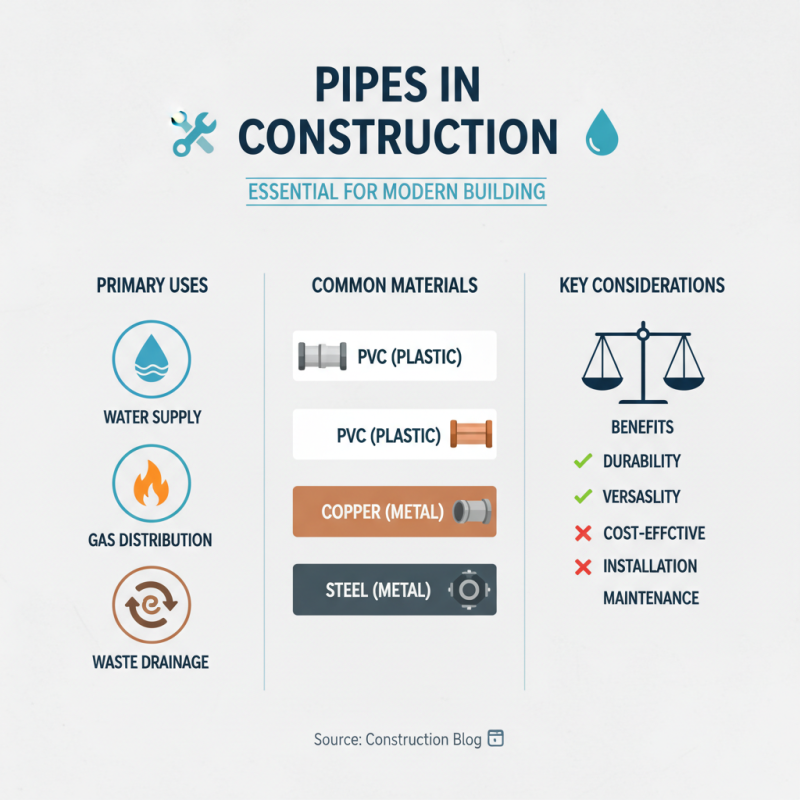
Pipes are crucial in construction. They carry water, gas, and waste. Different materials serve specific needs. Common types include PVC, copper, and steel. Each has unique benefits and challenges.
PVC is lightweight and cost-effective. It resists corrosion but is less durable under high pressure. For instance, the global PVC pipe market reached $51 billion in 2023, growing steadily. Copper pipes, recognized for their durability, have a lifespan of over 50 years. However, they are more expensive and can be prone to theft. The steel pipe market is projected to exceed $70 billion by 2025. Steel’s strength makes it ideal for structural applications, though it can rust if not properly treated.
Construction projects sometimes underestimate the impact of pipe materials. Choosing the wrong type can lead to leaks or failures. This affects overall project costs. Limited knowledge in material properties can hinder effective decision-making. There’s often a lack of awareness on proper installation techniques, leading to small yet critical errors in construction.
The Importance of Pipe Sizing and Specifications in Building Projects
Pipe sizing and specifications play a crucial role in construction projects. Properly sized pipes ensure efficient water flow and prevent leaks. If the diameter is too small, pressure builds up. This can lead to burst pipes or costly repairs. On the other hand, oversized pipes waste materials and increase costs.
When planning a project, careful measurement is key. Teams should consider the overall design and specific needs. A well-thought-out plan eliminates issues later. Work closely with engineers to select the right pipe materials and sizes. This attention to detail contributes significantly to the project's success.
**Tip:** Always double-check measurements before installation. Small mistakes can spiral into major problems.
Moreover, local building codes must be followed. Ignoring these regulations can result in fines and rework. Not every area has the same requirements. Familiarize yourself with local standards. Consult with building officials for guidance.
**Tip:** Keep records of all specifications and changes. Documentation helps address future challenges.
By focusing on proper pipe sizing and specifications, construction teams can minimize risks and enhance project efficiency. Think critically about each choice and its long-term impact.
Pipe Supplies and Their Importance in Construction
Industry Standards and Regulations for Construction Pipe Supplies
When discussing pipe supplies in construction, industry standards and regulations play a crucial role. The American Society for Testing and Materials (ASTM) and the International Organization for Standardization (ISO) outline specifications for various pipe materials. These standards ensure durability, safety, and compatibility with other construction elements. According to a report by MarketsandMarkets, the global market for construction pipes is expected to reach $200 billion by 2025. This growth highlights the importance of maintaining stringent regulations.
Compliance with these standards is essential. Many construction projects face delays due to non-compliance issues. Inspectors often find substandard pipe materials, which can lead to project setbacks. A study by the National Institute of Standards and Technology (NIST) indicates that improper material choices can result in a 15% increase in construction costs. This figure emphasizes the necessity of following established guidelines to avoid unnecessary expenses.
In addition to quality,
environmental regulations also impact pipe supplies. As construction practices evolve, there is a growing demand for eco-friendly materials. The
Environmental Protection Agency (EPA) has regulations concerning the use of certain pipe materials. Understanding these can be difficult for some in the industry. Yet, neglecting them can lead to hefty fines and project re-evaluations. The industry must adapt quickly to these changing standards to ensure successful completion of projects.
Market Trends and Future Projections for Pipe Supplies in Construction
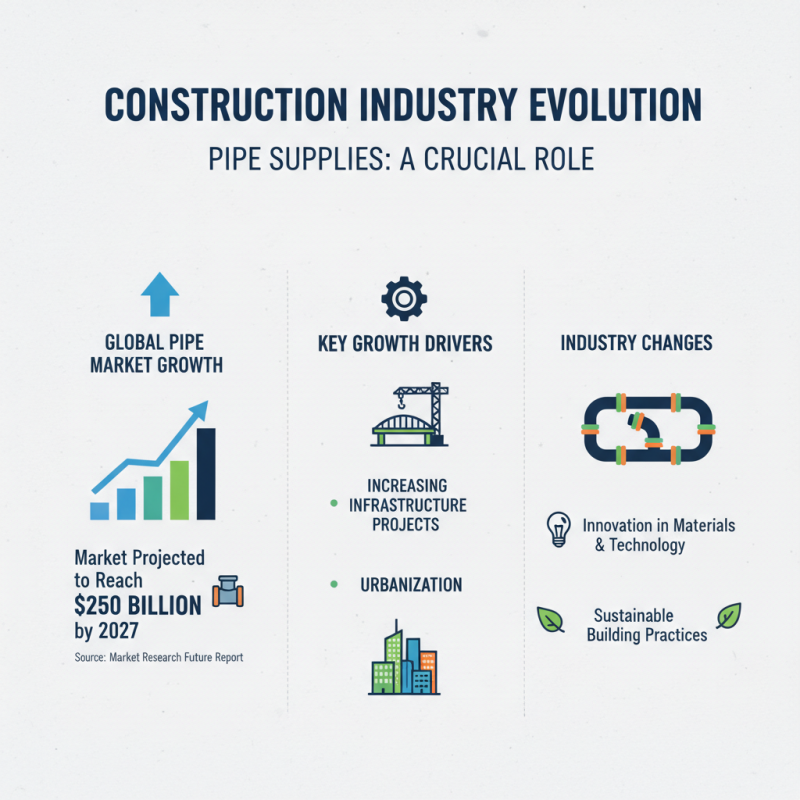
The construction industry is experiencing significant changes. Pipe supplies play a crucial role in this evolution. According to a report by Market Research Future, the global pipe market is projected to reach $250 billion by 2027. This growth is driven by increasing infrastructure projects and urbanization.
In recent years, there has been a noticeable shift towards sustainable materials. The demand for eco-friendly pipe supplies is rising. A study indicates that nearly 30% of construction companies plan to invest in green materials. However, the availability remains a challenge. Manufacturers struggle to keep pace with this demand. Supply chain disruptions have caused delays and price fluctuations.
Moreover, innovative technologies are shaping the future of pipe supplies. 3D printing and advanced materials are becoming prevalent. These innovations can reduce waste and improve efficiency. Yet, the adoption rate remains low among smaller firms. Many lack resources to invest in new technologies. This gap may widen as larger companies capitalize on these advancements. The landscape is changing, but challenges persist.