How to Select the Best Aluminum Profile for Your Project?
Selecting the right Aluminum Profile for your project can be daunting. With numerous options available, it becomes crucial to make informed decisions. Aluminum profiles are versatile components used in construction, manufacturing, and design applications. Understanding their characteristics can guide you toward the best choice.
Key factors include dimensions, strength, and corrosion resistance. Each project has unique requirements. Your selected aluminum profile should meet those needs while remaining cost-effective. Sometimes, it may feel overwhelming to balance quality and budget.
Reflecting on past projects can offer insights. Consider previous challenges you faced with aluminum profiles. Did you choose correctly? Learning from these experiences is essential. An informed choice can significantly impact the success of your project.
Understanding the Different Types of Aluminum Profiles Available
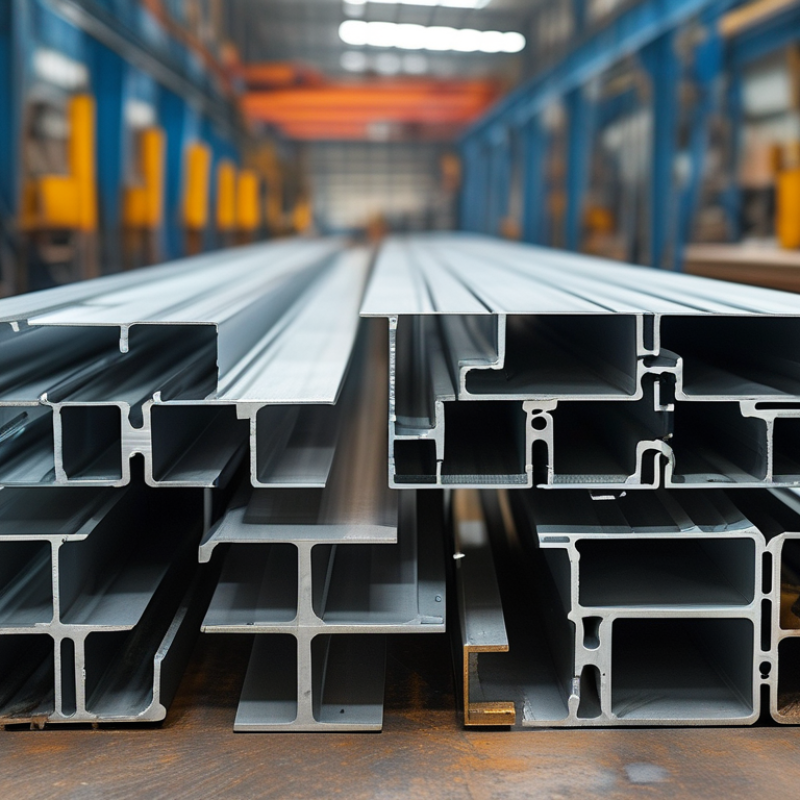
When selecting aluminum profiles, it's crucial to understand the different types available. Aluminum profiles can be categorized into structural, architectural, and decorative, serving various applications in construction and manufacturing. Structural profiles often include T-slots and I-beams, providing strength and versatility. Meanwhile, architectural profiles focus on aesthetics, often utilized in facades and frameworks.
The Global Aluminum Profiles Market is estimated to reach USD 85 billion by 2025, showing a compound annual growth rate (CAGR) of 5% from 2020. This growth indicates a rising demand for customized aluminum solutions. Therefore, understanding the specific requirements of your project is essential. For instance, consider the mechanical properties like tensile strength and corrosion resistance when selecting a profile.
It’s important to reflect on manufacturing capabilities as well. The profiles must be designed for your specific needs, but not all suppliers can meet those standards. Some profiles may lack the precision required for critical applications, leading to performance issues. Knowing the limitations can guide you toward more reliable solutions. Exploring local suppliers and their offerings can also play a significant role in achieving the best fit for your project.
Key Factors to Consider When Choosing Aluminum Profiles
Selecting the right aluminum profile is not a simple task. Multiple factors influence the decision, and overlooking them can lead to project failures. Begin by understanding the purpose of the aluminum profile. Is it for structural support, aesthetic enhancement, or both? The application determines the profile's specifications.
Next, consider the type of aluminum alloy. Each alloy has distinct characteristics. Some are more malleable, while others offer superior strength. Researching the mechanical properties of different alloys can guide your choice. Don’t forget about surface treatments. Anodizing can improve corrosion resistance, but it may alter the appearance. Evaluate the environment where the profile will be used. Will it face moisture or chemical exposure? These details matter greatly.
Lastly, think about the extrusion process. Different techniques yield varied shapes and strengths. The complexity of the shape can affect the cost and manufacturing time. Provide precise specifications to avoid issues later. This step can often be overlooked, leading to costly mistakes. Engaging with experienced professionals in the field can offer valuable insights, ensuring that your selection aligns with project goals effectively.
Assessing the Structural Integrity and Load Capacity of Profiles
When selecting aluminum profiles, assessing structural integrity is critical. Each profile's design influences its strength and load capacity. For example, a report by the Aluminum Association points out that specific heat treatment processes can enhance a profile's yield strength by up to 30%. This increase allows for heavier loads without compromising safety.
A structural analysis must consider various factors such as load distribution, dynamic forces, and environmental conditions. Profiles subjected to bending stress should maximize their geometric properties to sustain loads. According to engineering standards, the moment of inertia is a crucial factor in these calculations. Profiles with higher moments of inertia resist bending more effectively.
Additionally, the choice of alloy affects performance. Certain alloys offer better corrosion resistance, while others provide greater strength. Doing a thorough analysis can reveal potential weaknesses. It is important to reflect on these aspects to ensure optimal performance in real-world applications. Ignoring the nuances may lead to failures under stress.
Evaluating Surface Finishes and Aesthetics for Your Project
When evaluating surface finishes for aluminum profiles, consider the project’s requirements closely. Different finishes serve different purposes. For example, anodized finishes enhance corrosion resistance and durability. They also provide a variety of color options. The right finish can significantly impact both performance and appearance.
Aesthetic considerations are equally important. Matte finishes can offer a modern look, while glossy surfaces may add a touch of elegance. However, gloss can show fingerprints more easily. Texture plays a crucial role too; textured surfaces can hide imperfections. They often create visual interest, making them suitable for innovative designs.
It's essential to weigh the long-term effects of chosen finishes. Some finishes can wear off over time, diminishing aesthetics and increasing maintenance costs. Reflect on how the profile will be used and exposed. This reflection is critical for achieving not just the desired look but also long-lasting functionality. The right choice leads to a harmonious blend of beauty and practicality.
Cost Analysis: Budgeting for Aluminum Profiles in Your Design
When budgeting for aluminum profiles, consider several key factors that impact overall costs. According to industry reports, aluminum prices can fluctuate significantly based on global market conditions. In 2021, the average price per ton ranged between $2,100 and $2,500, which can greatly affect project budgets. Understanding current market trends is essential for accurate forecasting.
In addition to material costs, there are fabrication and finishing expenses to consider. Depending on the complexity of your design, these can account for up to 30% of the total project cost. For instance, designs requiring custom machining or specialized coatings may demand additional funds. The design process itself should also factor in potential waste or rework, as these can lead to unplanned expenditures.
Finally, quality assurance plays a vital role in ensuring that the aluminum profiles meet project specifications. Investing in reliable testing and inspection can safeguard your design's integrity. Ignoring this aspect may result in costly failures down the line, ultimately impacting project timelines and budgets. Balancing cost and quality in the selection process is critical for long-term success.