5 Tips for Buying 4 Inch Steel Pipe
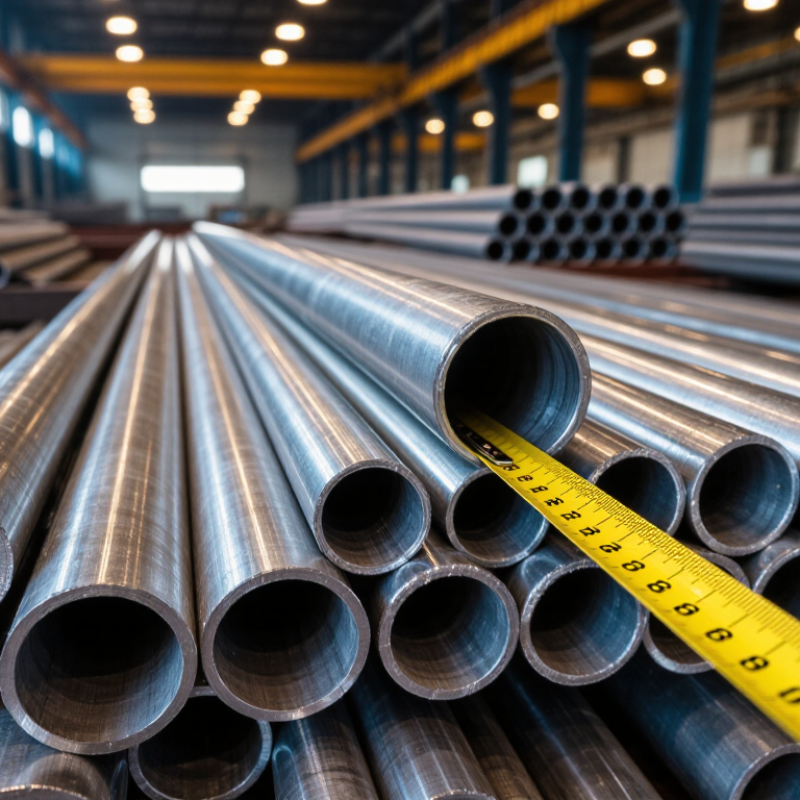
A 4 steel pipe may look simple on a specification sheet, but its suitability depends on dimensions, grade, wall thickness, and service conditions. The details matter. A nominal 4-inch pipe has a 4.5-inch outside diameter under ASME B36.10M; its inside diameter changes with schedule. That affects flow, weight, and fit-up on site. A tape measure and a clear purchase specification can prevent costly surprises.
Industry context helps, but it cannot replace product checks. World Steel Association’s World Steel in Figures 2024 reports global crude steel production of about 1.89 billion tonnes in 2023. That scale makes traceability important: buyers should request material test reports, confirm the applicable ASTM or API specification, and verify grade markings against the order. Check ends, coating, straightness, and delivery tolerances, too. A small mismatch can slow installation.
This guide will examine five practical buying considerations, from choosing the right schedule to checking supplier documentation. One source limitation deserves a candid note: no verifiable named 4-inch pipe specialist quotation was supplied or established for this introduction, so I will not invent one. That is less polished, perhaps, but more reliable. Compare the written specification with the actual pipe, not just the listing photo. When the application is demanding, ask a qualified engineer to review the selection before purchase.
Identify the Required Dimensions and Pipe Specifications
A “4 inch” steel pipe is usually identified by nominal pipe size, not its exact outside diameter. For NPS 4, the standard outside diameter is 4.5 inches; wall thickness changes with the schedule. Check the marking or measure a clean, accessible section with calipers. Measure twice. A tape measure can be misleading around paint, rust, or a rough cut.
Then match the pipe to its working conditions. Confirm the required schedule or wall thickness, material grade, applicable manufacturing standard, and end type, such as plain, beveled, or threaded. Pressure and temperature affect the choice, while moisture, chemicals, and outdoor exposure can influence material and coating needs. Don’t assume a heavier wall is automatically the right fit; it also adds weight and may not match existing fittings. Small details matter. Note the needed length and tolerance, too, especially when the pipe must fit between supports or connect to installed equipment. I’d double-check the specification sheet before ordering, even when the nominal size seems obvious. That extra check can catch a mismatch before the pipe arrives.
4-Inch Steel Pipe: Compare Wall Thickness by Schedule
How to use this chart: NPS 4 pipe has a standard outside diameter of 4.500 inches. Wall thickness varies by schedule, changing the inside diameter and pipe weight. Confirm the required schedule, material specification, and applicable standard before buying.
Choose the Steel Grade and Pipe Type for the Application
For a four-inch steel pipe, verify the actual outside diameter and wall thickness before comparing quotes. In common NPS sizing, four-inch pipe has a 4.5-inch outside diameter; “four inch” does not mean four inches across. That distinction matters. Check the drawing and connection details, not just the order description.
Choose the steel grade for the fluid, temperature, pressure, and exposure. Carbon steel may suit many general services, while a corrosion-resistant alloy may be needed for wet or chemically aggressive conditions. Higher strength is not automatically better. It can affect weldability, fabrication, and cost. A tidy specification can still miss an important service detail, so confirm the operating conditions with the design engineer.
Then choose the pipe type and wall schedule. Welded pipe can be a practical option for many systems; seamless pipe may be specified for particular pressure or service requirements. The right choice depends on the governing design, not a blanket rule. Compare the required wall thickness, manufacturing standard, end finish, and inspection documents. A mill test certificate helps verify grade and material properties, but it does not replace checking the pipe on arrival. Look for legible markings and damage, especially at cut ends.
Compare Wall Thickness, Pressure Rating, and Schedule
A 4-inch steel pipe is usually specified by nominal size, not its exact outside diameter. For common pipe dimensions, the outside diameter is about 4.5 inches, while the wall thickness changes with the schedule. Schedule 40 and Schedule 80 are not pressure ratings by themselves. They describe standard dimensions.
Tip: Compare actual wall thickness in the supplier’s dimensional table. A thicker wall can provide more strength, but it also reduces the inside diameter and adds weight. Check that the change will not restrict flow or complicate connections. Measure the service conditions, too. Pressure, temperature, fluid, corrosion, and loading all matter. A number on a quote can look reassuring, yet leave out a critical condition.
Pressure ratings depend on the steel grade, dimensions, temperature, manufacturing details, and applicable design rules. Ask for the material specification and documentation, then verify the rating for the complete system, including fittings and joints. Do not assume two pipes with the same schedule have identical capacity. When service conditions are uncertain, pause and consult a qualified engineer. I’ve seen quick selections overlook corrosion allowance; it is easy to miss, and worth a second look.
Check Applicable Standards and Product Certifications
Before buying 4-inch steel pipe, confirm which standard applies to its intended use, operating pressure, and installation location. “4 inch” describes a nominal size, not the pipe’s exact outside diameter or wall thickness. Check the required grade and schedule against the project documents. Standards such as ASTM A53, ASTM A106, or API 5L may apply in different situations; none should be assumed suitable without checking the specification. Ask the supplier to identify the standard and grade on the quotation and product documents. Small details matter.
Review the material test report and check that its heat number matches the pipe marking or tag. Confirm the reported grade, dimensions, and test results align with your order. If the pipe is welded, coated, or intended for a particular service, verify that those details are covered by the applicable specification or purchase requirements. A neat certificate can still describe the wrong batch. It is easy to trust paperwork too quickly, so compare it with the physical markings before acceptance. If a certificate is missing, unclear, or inconsistent, pause and request clarification rather than relying on a verbal assurance.
Evaluate Suppliers, Pricing, and Delivery Conditions
When comparing suppliers for 4-inch steel pipe, confirm what “4 inch” means in the quote. For standard nominal pipe, the outside diameter is typically 4.5 inches; wall thickness varies by schedule. Ask for the grade, schedule, length, finish, and applicable dimensional tolerances in writing. Request a material test report and check that its heat numbers match the pipe markings. Small paperwork gaps can slow receiving. Details matter.
Compare the delivered price, not just the price per foot. Freight, cutting, minimum order quantities, packaging, and fuel surcharges can change the total. Ask whether the quote includes unloading, and confirm who handles damage claims. Get a realistic lead time, shipping method, and delivery window; “available” may mean stock at a distant warehouse. For a tight project, request staged delivery dates and confirm how delays will be communicated. Keep a little schedule flexibility if you can. I would not assume the cheapest quote is the best value; sometimes the comparison itself is imperfect because suppliers include different services. Clarify each line before approving the order.