Top 5 Tips for Selecting Metal Seated Ball Valve for Your Needs?
The selection of a metal seated ball valve is crucial for various industrial applications. According to a recent market analysis by Research and Markets, the global ball valve market is projected to grow at a CAGR of 5.1% from 2021 to 2027. This highlights the increasing demand for reliable and efficient flow control solutions in sectors like oil and gas, water treatment, and chemical processing.
Choosing the right metal seated ball valve requires a deep understanding of technical specifications and operational environments. Factors such as pressure ratings, temperature ranges, and media compatibility play pivotal roles. Many fail to recognize the importance of these parameters, which can lead to costly failures or downtime. A study from Valin Corporation indicates that improper valve selection can increase maintenance costs by up to 30%.
Industry professionals emphasize the balance between quality and cost. While cheaper options may seem attractive, they often lack durability and resilience. Investing in high-quality metal seated ball valves ensures long-term performance and operational efficiency. This brings us to the importance of informed decision-making in valve procurement. Understanding the unique needs of your application can prevent oversight and lead to better outcomes.
Understanding the Different Types of Metal Seated Ball Valves Available
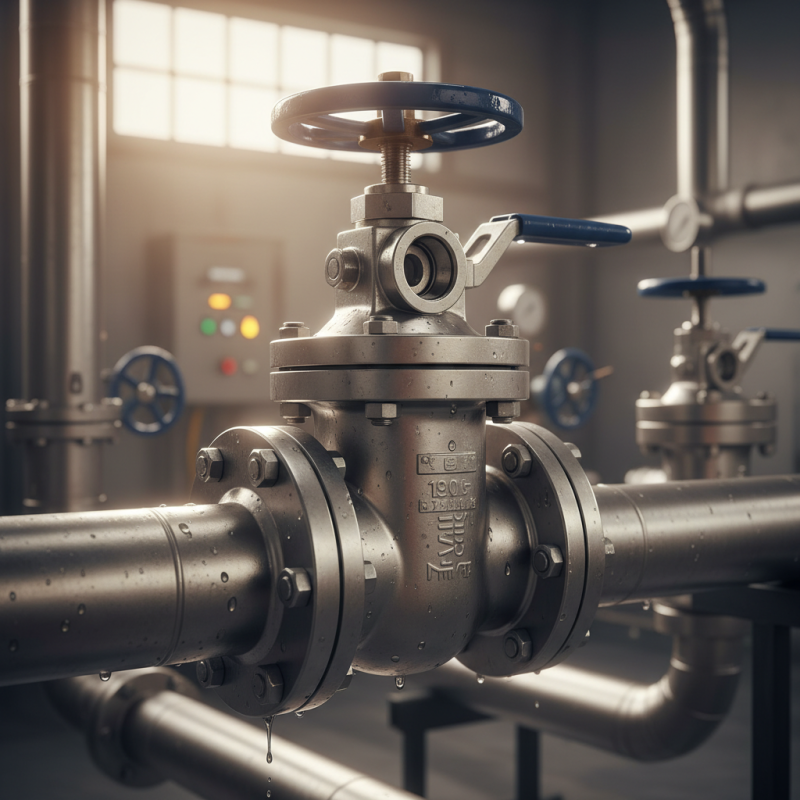
When selecting a metal seated ball valve, understanding the various types on the market is crucial. Metal seated ball valves are commonly used in demanding applications. They handle high temperatures and pressures effectively. Three primary types stand out: floating, trunnion-mounted, and segmented. Each type serves different purposes and presents unique benefits.
Floating ball valves rely on the pressure of the medium to push the ball against the seat. This design is simple and cost-effective. Trunnion-mounted valves, however, feature a design with additional support at the bottom. This allows for higher torque and larger sizes. Lastly, segmented ball valves provide precision control in throttling applications. The cuts in the ball help minimize turbulence.
Choosing the right valve type can be complex. Consider the necessary flow rates and pressures in your specific application. This is where expertise becomes invaluable. Consult with professionals who understand the intricacies of each valve type. Evaluate your operational conditions and expected lifetime. Reflecting on these factors can lead to better decision-making in your valve selection process.
Top 5 Tips for Selecting Metal Seated Ball Valve for Your Needs
| Tip | Description | Considerations | Applications |
| Understand Valve Types | Familiarize yourself with different types of metal seated ball valves. | Explore options like solid metal seats vs. metal-backed seats. | Industrial processes, high-pressure systems. |
| Material Selection | Choose materials that are compatible with your media. | Consider corrosion resistance and temperature limits. | Chemical processing, oil & gas applications. |
| Know the Pressure Ratings | Ensure the valve can handle the required pressure. | Check both maximum and minimum pressure ratings. | Water supply, pneumatic systems. |
| Evaluate Seal Mechanisms | Select appropriate sealing technology for your application. | Consider the impact of sealing on longevity and maintenance. | Power generation, water treatment plants. |
| Assess Flow Characteristics | Understand how flow control impacts system efficiency. | Examine flow coefficients and valve design. | HVAC systems, fluid transport. |
Key Factors to Consider When Evaluating Valve Sizing and Specifications
Selecting the right metal seated ball valve requires careful thought. Evaluating valve sizing is crucial. Size affects flow rates, pressure drops, and installation ease. A properly sized valve ensures optimal performance in your system. Measure the pipe diameter and consider the connection type. These factors influence how the valve fits and operates.
Specifications are also important when choosing a valve. Review the pressure rating and temperature range of the valve. This information will guide you in selecting a valve that withstands your operating conditions. Corrosion resistance is another key aspect. Different materials offer varying levels of durability.
Think about the environment where the valve will operate. High-pressure or corrosive environments demand more robust options. Engage with industry professionals to gain insights. Sometimes, user reviews can provide hidden details. Reflect on previous decisions, as past selections can guide future choices. Evaluate your needs carefully; it could save costs later.
The Importance of Material Selection in Metal Seated Ball Valve Performance
When selecting a metal seated ball valve, the choice of materials is crucial. Metal seating surfaces must endure high pressure and temperatures. Materials like stainless steel and alloys are common, but not always the best fit. You need to consider the specific application and environmental factors. A mismatch can lead to premature wear or failure.
Corrosion resistance and hardness directly impact performance. Using softer materials could result in a compromised seal. For example, a valve exposed to abrasive substances may erode quickly. Careful evaluation of material properties helps prevent this. Often, users underestimate the importance of testing and real-world conditions. Always prioritize data-backed selections over assumptions.
The right material enhances not just performance but also longevity. Regular maintenance and inspection can identify weaknesses before they lead to severe issues. A qualified engineer can provide insights into material behaviors. Engage with professionals to gain thorough understanding. A well-selected metal seated ball valve pays off in reliability and safety.
Assessing Pressure and Temperature Ratings for Optimal Valve Operation
When selecting a metal seated ball valve, the pressure and temperature ratings are critical. These ratings directly impact the valve's performance in different applications. Understanding the required pressure for your system is essential. Many industries operate under high pressure, and choosing a valve that can handle these conditions is crucial. Look for valves with ratings that surpass your system’s needs to ensure safety and reliability.
Temperature also plays a vital role in valve selection. A valve may function correctly at room temperature but may fail under extreme heat or cold. Every material has a maximum and minimum operating temperature. Know the environment where the valve will be installed. High temperatures can alter material properties, leading to leaks. Regularly assessing these factors can prevent costly failures.
The wrong choice can lead to significant operational downtime. Ensure that your selection is based on thorough research and understanding. Consultation with industry experts can offer valuable insights. Balancing performance and longevity while considering the specifics of your application is important. Always question if your selected valve meets the demands of your unique operation.
Pressure and Temperature Ratings of Metal Seated Ball Valves
This bar chart displays the maximum pressure ratings (in PSI) and the maximum temperature ratings (in °F) for different metal seated ball valves. Selecting the right valve involves understanding these ratings to ensure optimal operation in your specific application.
Exploring Industry Standards and Certifications for Reliable Valve Performance
When selecting a metal seated ball valve, it's crucial to understand industry standards and certifications that ensure reliability and performance. Key organizations, such as the American Society of Mechanical Engineers (ASME) and the American National Standards Institute (ANSI), provide guidelines for valve testing and performance. Their standards serve as benchmarks for quality and safety, helping engineers make informed decisions.
A recent report indicates that nearly 30% of valve failures are attributed to not adhering to recognized standards. This can lead to costly downtime and safety hazards. Certifications from bodies like the International Organization for Standardization (ISO) can provide additional assurance of valve performance. Valves meeting ISO 9001 standards demonstrate a commitment to quality management systems.
It's also essential to consider the materials and testing methods. The ASTM International sets material specifications that ensure durability. Testing methods outlined by the API (American Petroleum Institute) can help validate valve design under various conditions. These standards can be revealing. Many manufacturers may claim compliance without rigorous testing. Investigating the actual certifications and test results remains critical for making the right choice.
