Top 10 Irrigation Nozzles for Efficient Water Management?
Efficient water management is crucial in agriculture today. According to a report from the International Water Management Institute, irrigation accounts for approximately 70% of freshwater withdrawals globally. With growing concerns over water scarcity, the choice of irrigation equipment must be considered carefully. This is where irrigation nozzles come into play.
“Irrigation nozzles are vital for optimizing water delivery and minimizing waste,” states Dr. Emily Carter, a leading expert in agricultural water management. Her insights highlight the importance of selecting the right nozzle for specific crops and soil types. The variety of irrigation nozzles available today can greatly impact water efficiency.
However, many farmers still overlook their significance. Poor selection can lead to uneven water distribution and crop stress. It’s important for farmers to evaluate their options thoroughly, considering not just cost but also the long-term benefits of effective irrigation. An informed choice can save water and improve crop yields. This article explores the top 10 irrigation nozzles that promote efficient water use and help meet sustainability goals in agriculture.
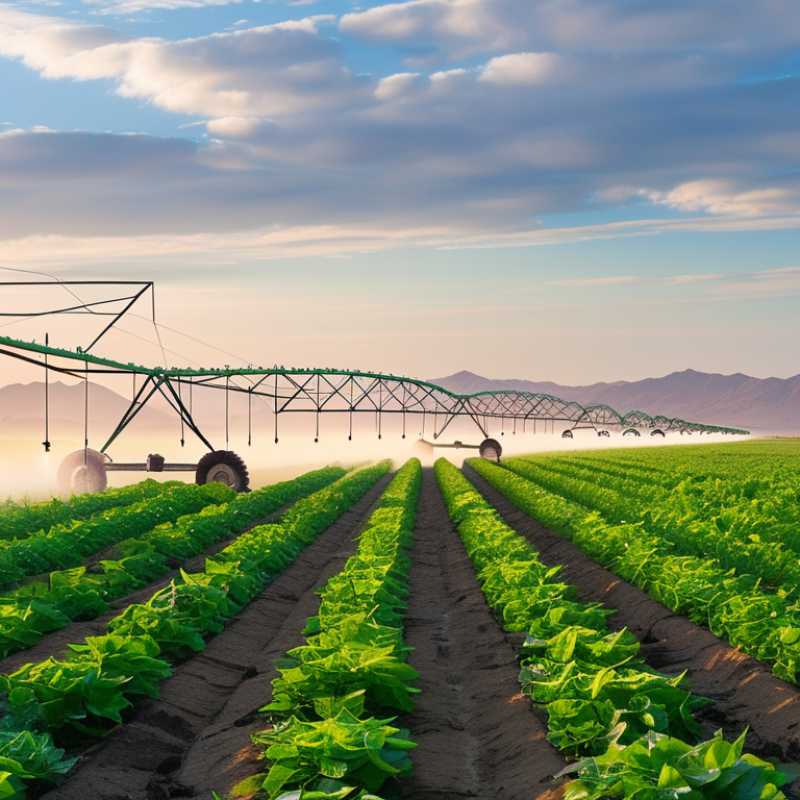
Overview of Irrigation Nozzles and Their Importance in Water Management
Irrigation nozzles play a crucial role in water management, impacting efficiency and crop yield. Proper nozzle selection can significantly reduce water waste, allowing for better resource utilization. According to a report by the American Society of Agricultural and Biological Engineers, inefficient irrigation practices can lead to water losses of up to 50% in some regions.
The performance of irrigation nozzles varies based on design and application method. Different types deliver water differently, making it essential to understand each nozzle's characteristics. A survey by the Irrigation Association indicates that 30% of farmers have not optimized their nozzle types. This gap can lead to uneven water distribution and increased costs.
Farmers often overlook regular maintenance, which affects nozzle performance. Clogged nozzles can create hotspots or dry areas in fields. A study found that, on average, 20% of nozzle wear occurs within a growing season. This highlights the need for farmers to check their equipment regularly to avoid potential yield losses. Efficient water management is not just about technology; it also involves knowledge and diligence in maintaining systems.
Types of Irrigation Nozzles and Their Specific Applications
Irrigation nozzles play a crucial role in effective water management. Various types cater to specific agricultural needs, enhancing efficiency and reducing waste. The right nozzle can save about 30% of water, according to the USDA. This significant conservation contributes to both environmental sustainability and cost savings for farmers.
Spray nozzles are widely used due to their versatility. They provide uniform coverage, making them ideal for row crops. However, sometimes they can create evaporation loss in windy conditions. Drip irrigation nozzles, on the other hand, deliver water directly to the roots. This reduces runoff and evaporation but requires careful maintenance to prevent clogging. Learning from past experiences is vital for optimizing their use.
Impact nozzles are another popular option. They are effective for large areas and can cover various terrains. Nevertheless, these nozzles might over-apply water in less absorbent soils, leading to runoff issues. Selecting the appropriate type involves understanding the unique characteristics of the farm’s soil and climate. Analyzing the right metrics can optimize water usage while minimizing environmental impact.
Key Features to Consider When Selecting Irrigation Nozzles
When selecting irrigation nozzles, consider several key features. The type of nozzle impacts water distribution significantly. Look for options that fit your garden size and plant types. Spray patterns vary widely. Choose between full-circle, half-circle, or adjustable patterns for versatility.
Efficiency is vital for water management. Nozzles with pressure compensating designs provide consistent output. This ensures even watering, reducing waste. Pay attention to flow rates too. A nozzle with too high a rate can lead to runoff, wasting water and nutrients.
**Tips:** Always assess your soil type. Sandy soils require different sprinkler settings than clay. Regularly check for clogs. Clogged nozzles can lead to uneven watering. Adjusting the angle of the nozzle can improve coverage areas, enhancing overall efficiency.
Top 10 Irrigation Nozzles for Efficient Water Management
Top 10 Recommended Irrigation Nozzles for Various Uses
Efficient water management is vital for sustainable agriculture. Choosing the right irrigation nozzle can make a significant difference. Various types of nozzles serve unique purposes. Some are ideal for large, open fields, while others are better for gardens or small plots. It’s essential to match the nozzle type to your specific needs.
For instance, adjustable spray nozzles offer versatility. They can change the spray pattern easily. This feature allows users to target specific areas effectively. On the other hand, drip irrigation nozzles deliver water directly to the roots. This method reduces water waste, promoting healthy plant growth. However, users should regularly check for clogs, as buildup can deteriorate performance.
Different crops may require different irrigation methods. Not every nozzle will be efficient for every plant type. For example, high-pressure nozzles can work well for lawn areas, while low-flow options benefit delicate flowers. Experimenting with various types is often necessary. Testing different nozzles may uncover which one serves your needs best. Understanding your landscape will inform better choices in the long run.
Top 10 Irrigation Nozzles for Efficient Water Management
| Nozzle Type | Flow Rate (GPM) | Effective Range (ft) | Ideal Use | Material | Spray Pattern |
| Adjustable Nozzle | 1.5 - 5 | 10 - 30 | Garden & Flower Beds | Plastic | Adjustable Spray |
| Rotary Nozzle | 1 - 4 | 15 - 25 | Lawns | Brass/Plastic | Rotating Stream |
| Fixed Nozzle | 2 - 6 | 8 - 15 | Shrubs | Plastic | Fixed Spray |
| Mist Nozzle | 0.5 - 2 | 6 - 10 | Seedlings & Greenhouses | Plastic | Fine Mist |
| Soaker Nozzle | 0.5 - 3 | 20 - 50 | Vegetable Gardens | Rubber | Soaker |
| Spray Nozzle | 2 - 8 | 15 - 25 | Hanging Baskets | Metal/Plastic | Fan Spray |
| Bubbler Nozzle | 1 - 3 | 3 - 6 | Fruit Trees | Plastic | Bubbling |
| Elliptical Nozzle | 1 - 4 | 25 - 35 | Rows & Borders | Plastic | Elliptical |
| Control Nozzle | 0.5 - 3 | 15 - 20 | Precise Watering | Metal | Variable |
| Trigger Nozzle | 0.5 - 4 | 20 - 35 | General Purpose | Plastic/Metal | Adjustable |
Best Practices for Maintenance and Care of Irrigation Nozzles
Maintaining irrigation nozzles is crucial for efficient water management. Regular checks can prevent clogs and ensure even water distribution. Begin by inspecting the nozzles for any visible debris or mineral buildup. Using a soft brush or cloth can help remove stubborn residues. Don’t forget to flush the system occasionally, as this helps eliminate dirt inside the pipes.
It’s also essential to monitor the spray patterns. Uneven coverage might indicate a nozzle issue. If you notice dry spots or pooling water, it’s time to reassess. Replacing worn or damaged nozzles is vital for optimal function. Consider scheduling inspections every few months, especially before the peak irrigation season. This proactive approach can save water and enhance plant health.
Don’t rely solely on automated systems. Manual checks allow for greater insight into the state of your equipment. If you encounter persistent issues, consult with an irrigation expert. Their experience can provide guidance tailored to your setup. Regular maintenance not only extends the life of your nozzles but also supports sustainable water use in your landscape.
