
Request A Quote

Phone: 416-244-6476
Email:

    Top Dental Equipment Tools for Global Buyers to Source?

    Global buyers sourcing Dental Equipment Tools face a market filled with impressive specifications, unfamiliar brands, and uneven after-sales support. A dental chair may look advanced, yet poor ergonomics can slow every procedure. A sterilizer may promise rapid cycles, but weak documentation can create operational uncertainty. The real question is not, “Which tool has the most features?” It is, “Which tool performs reliably in this clinical environment?”

    Dr. Gordon J. Christensen, a respected prosthodontist and dental researcher, has emphasized, “The most important thing in dentistry is diagnosis.” That principle also guides equipment sourcing. Digital sensors, intraoral scanners, imaging systems, handpieces, compressors, and autoclaves should support accurate diagnosis and consistent treatment. Buyers should examine image quality, calibration requirements, maintenance access, warranty terms, spare-part availability, and staff training. Ask for technical files. Check service response times. Review cleaning instructions carefully.

    Small details matter. A scanner with a comfortable grip can reduce hand fatigue. A quiet compressor can improve communication in a crowded clinic. A sterilizer with clear cycle records can simplify daily verification. However, product brochures rarely show the full picture. Some buyers focus too heavily on purchase price and overlook installation, consumables, software updates, and local technical support. That is a costly blind spot.

    Reliable sourcing also requires realistic reflection. No tool is perfect. Even trusted equipment can fail without proper training and scheduled maintenance. Global buyers should compare documented performance, supplier credibility, regulatory suitability, and long-term operating value before placing an order.
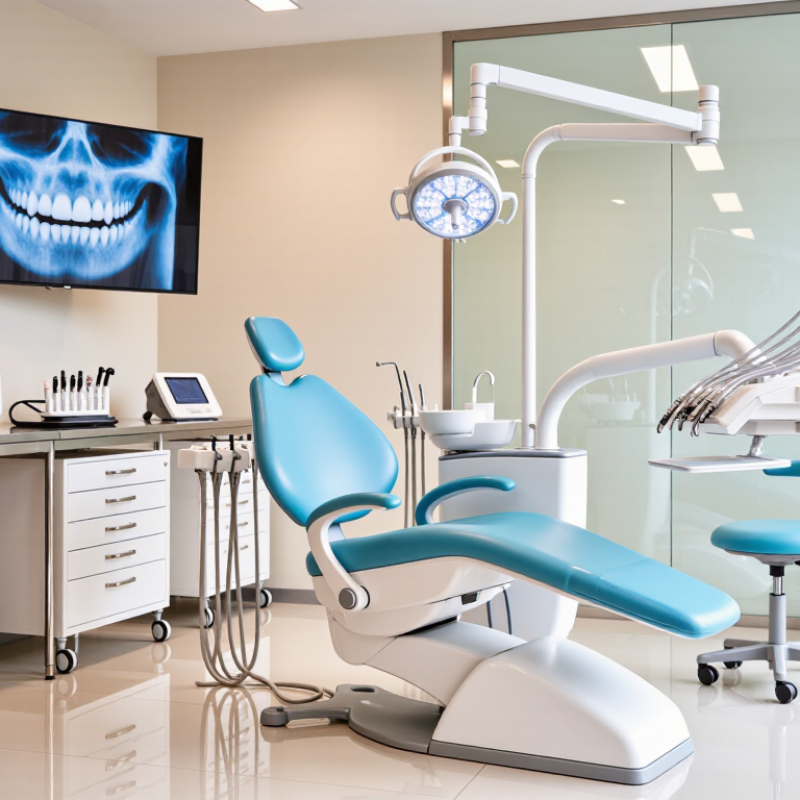
    Top Dental Equipment Tools for Global Buyers to Source?

    Dental Equipment Categories and Their Core Clinical Applications

    For global buyers, dental equipment sourcing starts with clinical purpose, not attractive specifications. Diagnostic equipment includes intraoral cameras, digital radiography systems, and caries detection devices. These tools support visual assessment, image capture, and treatment planning. A panoramic unit provides a broad view of teeth and jaws. Cone-beam imaging adds three-dimensional detail for implant planning and complex surgery. Buyers must consider radiation protection, image quality, and local compliance.

    Treatment equipment covers dental chairs, delivery systems, handpieces, curing lights, and ultrasonic scalers. Chairs support patient positioning and ergonomic access during routine procedures. High-speed handpieces remove tooth structure efficiently, while low-speed units support polishing and finishing. Curing lights activate restorative materials with controlled light output. Small differences matter. Buyers should check output stability, noise levels, waterline design, and replacement-part availability. In daily practice, easy cleaning may matter more than a long feature list.

    Sterilization equipment forms another essential category. Autoclaves process reusable instruments under controlled heat and pressure. Ultrasonic cleaners help loosen debris before sterilization. Sealing machines protect packaged instruments during storage. These devices must fit the clinic’s workflow, electrical supply, and validated procedures. Field experience shows that teams often underestimate training, maintenance, and downtime. That approach deserves reconsideration. Product documentation, service response, calibration records, and user feedback offer stronger evidence than marketing claims. A practical comparison should include workload, operator skill, installation conditions, and total cost over several years.

    Top Dental Equipment Tools for Global Buyers to Source? - Dental Equipment Categories and Their Core Clinical Applications
    Equipment Category Typical Configuration Core Clinical Applications Key Sourcing Specifications Quality, Safety and Validation Considerations
    Dental Treatment Unit and Chair Motorized patient chair, delivery system, operating light, cuspidor, instrument tray and assistant module.
    • Routine examinations and preventive care
    • Restorative dentistry and crown preparation
    • Periodontal treatment and minor oral surgery
    • Chair load capacity and height range
    • Number and type of instrument positions
    • Waterline design and disinfection access
    • Foot control, upholstery and operating-light intensity
    • Availability of local spare parts and service support
    Check electrical safety, emergency stop functions, waterline hygiene, patient positioning stability and applicable dental-unit requirements such as ISO 7494-1 and ISO 6875.
    Intraoral X-ray System Wall-mounted or mobile generator with a digital sensor or phosphor-plate imaging system.
    • Detection of proximal caries
    • Periapical and periodontal assessment
    • Endodontic working-length verification
    • Postoperative and restorative evaluation
    • Tube voltage commonly around 60–70 kV
    • Exposure-time range and focal-spot size
    • Sensor active area and image resolution
    • Software compatibility and image export formats
    • Positioning accessories and radiation-shielding options
    Verify radiation protection, electrical safety, calibration procedures, image-quality testing and compliance with local diagnostic-radiology regulations.
    Panoramic and Cephalometric X-ray System Extraoral digital imaging unit with panoramic, cephalometric and, in some configurations, 3D imaging functions.
    • Full-arch examination and impacted-tooth assessment
    • Orthodontic tracing and skeletal analysis
    • Preliminary implant and oral-surgery planning
    • Temporomandibular-joint and jaw evaluation
    • Available imaging programs and field of view
    • Detector type and image-acquisition time
    • Patient positioning aids and head stabilizers
    • Workstation, DICOM and network integration
    • Room dimensions and installation requirements
    Require acceptance testing, radiation shielding assessment, image-quality checks and operator training. Applicable extraoral X-ray standards and national rules should be confirmed before purchase.
    Cone Beam Computed Tomography (CBCT) Cone-beam 3D imaging system with selectable field-of-view sizes and dedicated dental reconstruction software.
    • Implant-site evaluation and surgical planning
    • Complex endodontic diagnosis
    • Orthodontic and maxillofacial assessment
    • Airway, sinus and impacted-tooth evaluation
    • Small, medium and large field-of-view options
    • Voxel size and spatial resolution
    • Exposure settings and dose-reporting functions
    • Reconstruction software and DICOM compatibility
    • Room shielding, power supply and installation space
    Dose optimization, acceptance testing, periodic quality assurance, radiation shielding and trained-user requirements are essential. Use only when 3D imaging is clinically justified.
    Intraoral Scanner Handheld optical scanner with scanning software, touchscreen or computer workstation and digital case-export capability.
    • Digital impressions for crowns, bridges and aligners
    • Orthodontic records and treatment monitoring
    • Implant planning and guided-restoration workflows
    • Patient communication and restorative design
    • Scanning speed and powder-free operation
    • Tip size, field of view and depth of capture
    • Open or proprietary export workflow
    • File formats such as STL, PLY or OBJ
    • Tip sterilization method and replacement cost
    Evaluate accuracy on full-arch and short-span scans, software update policy, cybersecurity, data ownership, infection-control instructions and compatibility with the clinic’s laboratory workflow.
    Autoclave Sterilizer Steam sterilizer with chamber, vacuum or gravity-displacement cycle, drying function and cycle-recording system.
    • Processing of reusable dental hand instruments
    • Sterilization of handpieces and surgical instruments
    • Routine infection-prevention workflow
    • Chamber capacity and tray configuration
    • Cycle temperature, time and pressure
    • Pre-vacuum performance and drying quality
    • Water-quality requirements and filtration
    • USB, printer or network cycle records
    Confirm applicable sterilizer requirements, load monitoring, chemical and biological indicators, preventive maintenance and validation according to recognized steam-sterilization practices such as ISO 17665.
    Dental Air Compressor Oil-free compressor with receiver tank, dryer, filtration stages and automatic pressure control.
    • Supply of clean compressed air to dental units
    • Operation of air-driven handpieces
    • Air-water syringes and selected laboratory tools
    • Air delivery in litres per minute
    • Working pressure and receiver volume
    • Noise level and duty cycle
    • Air purity, dryer type and filtration stages
    • Voltage, frequency and maintenance access
    Check oil-free design, moisture control, bacterial filtration, pressure relief, electrical protection and the required air quality for the intended clinical equipment.
    Central or Chairside Suction System Wet or dry suction pump with separator, amalgam separator where required, hoses and collection system.
    • Removal of saliva, blood, coolant and debris
    • Aerosol control during operative procedures
    • Support for restorative, surgical and hygiene treatment
    • Airflow rate and vacuum level
    • Number of simultaneous operatories
    • Wet or dry operating principle
    • Noise, drainage and separator requirements
    • Filter access and routine cleaning procedure
    Review infection-control design, backflow prevention, waste disposal, separator requirements and compatibility with the clinic’s plumbing and electrical infrastructure.
    High-Speed and Low-Speed Handpieces Air-turbine high-speed handpiece, electric or air low-speed motor, contra-angle and straight attachments.
    • Tooth preparation and caries removal
    • Polishing, finishing and prophylaxis
    • Endodontic, restorative and surgical assistance
    • High-speed rotation commonly above 300,000 rpm
    • Electric motor speed and torque range
    • Bur-chuck type, spray ports and illumination
    • Autoclavable components and thermal limits
    • Connection standard and bearing replacement access
    Confirm sterilization instructions, runout, cooling-water delivery, bur retention, vibration, noise and compliance with applicable dental handpiece requirements such as ISO 14457.
    Light-Curing Unit LED curing device with cordless handpiece, light guide, radiometer or output-monitoring function.
    • Polymerization of resin-based composites
    • Bonding and orthodontic bracket procedures
    • Light-curing of selected liners and cements
    • Wavelength range suited to the intended materials
    • Radiant exitance and exposure-time settings
    • Light-guide diameter and access angle
    • Battery capacity and charging method
    • Heat management and eye-protection accessories
    Measure output periodically, inspect the light guide for damage and confirm that the spectral range and curing intensity match the materials used in the clinic.
    Ultrasonic Scaler and Prophylaxis System Piezoelectric or magnetostrictive scaler with interchangeable tips, water irrigation and optional polishing unit.
    • Supragingival and subgingival calculus removal
    • Periodontal debridement and maintenance
    • Endodontic irrigation support and selected surgical procedures
    • Operating-frequency range and power control
    • Tip design and compatibility
    • Water-flow adjustment and bottle or mains supply
    • Handpiece ergonomics and illumination
    • Autoclavable handpiece and tips
    Verify tip wear limits, waterline hygiene, heat generation, electrical safety and correct power settings for periodontal, restorative and endodontic applications.
    Endodontic Motor and Apex Locator Electronic motor with contra-angle, torque and speed control, often integrated with an electronic apex locator.
    • Rotary and reciprocating root-canal preparation
    • Working-length determination
    • Apical enlargement and irrigation workflow support
    • Speed and torque adjustment range
    • Rotary and reciprocating modes
    • Auto-reverse or auto-stop functions
    • Apex-locator accuracy in moist canals
    • File-system presets and foot-control options
    Confirm calibration, file compatibility, sterilization limits, electrical isolation and performance with different canal conditions. Operators should follow the file manufacturer’s recommended settings.
    Implant Motor and Surgical Physiodispenser Brushless motor, contra-angle, foot control, peristaltic irrigation pump and programmable surgical settings.
    • Implant-site preparation and implant placement
    • Bone drilling and selected oral-surgery procedures
    • Controlled irrigation during osteotomy
    • Speed and torque range
    • Torque accuracy and programmable sequences
    • Irrigation flow rate and sterile tubing set
    • Motor and contra-angle sterilization process
    • Foot-pedal functions and display visibility
    Check torque verification, sterile irrigation pathways, overheating control, emergency functions, calibration records and compatibility with surgical instruments.
    Dental Operating Light Ceiling-, wall- or unit-mounted LED light with adjustable intensity, color temperature and sensor or handle control.
    • Illumination for examination and restorative treatment
    • Periodontal, surgical and implant procedures
    • Color-sensitive shade assessment support
    • Illuminance range and beam diameter
    • Color-rendering performance
    • Color temperature adjustment
    • Shadow reduction and head movement range
    • Disinfection-compatible handles and surfaces
    Evaluate glare, heat, shadow control, mechanical stability, cleaning compatibility and electrical safety. Light intensity should be suitable for both routine and surgical procedures.
    Dental Laboratory CAD/CAM Equipment Digital scanner, design software, milling machine or 3D printer, sintering or post-processing equipment where required.
    • Digital production of crowns, bridges and veneers
    • Temporary restorations and surgical guides
    • Models, custom trays and selected orthodontic appliances
    • Material compatibility and validated workflows
    • Accuracy, build volume or milling dimensions
    • Open-file export and software interoperability
    • Compressed-air, extraction and power requirements
    • Post-processing, cleaning and maintenance needs
    Verify material-specific validation, dimensional accuracy, resin or ceramic handling, ventilation, dust extraction, software licensing and traceability of production records.
    Dental Waste and Amalgam Separation Equipment Amalgam separator, solids collector, sharps container and regulated clinical-waste handling accessories.
    • Separation of amalgam particles from wastewater
    • Safe collection of sharps and contaminated materials
    • Support for environmental and infection-control procedures
    • Separation efficiency and flow capacity
    • Replacement interval and collection volume
    • Connection size and installation position
    • Waste-container sealing and transport method
    • Local disposal-service compatibility
    Confirm local environmental requirements, documented waste transfer procedures, leak prevention, maintenance records and safe handling of contaminated or sharp waste.
    Global sourcing note: Technical specifications, electrical requirements, documentation, language support, installation conditions and regulatory obligations vary by destination market. Buyers should request user manuals, conformity documentation, service procedures, spare-parts availability, warranty terms and country-specific registration information before placing an order.

    Essential Features Global Buyers Should Evaluate Before Sourcing

    When global buyers source dental equipment, specifications should begin with clinical workflow, not attractive catalogs. Evaluate treatment capacity, chair adjustment range, handpiece connections, suction performance, and cleaning access. A busy clinic needs stable water delivery and controls that remain readable under bright operatory lights. Small details matter. Ask for measured noise levels, cycle times, and tolerance ranges instead of broad claims.

    Safety features deserve documented evidence. Check electrical input, grounding, emergency stops, infection-control surfaces, and compatibility with approved sterilization methods. Request user manuals, maintenance schedules, test reports, and spare-part lead times before ordering. Packaging should protect fragile lamps, foot controls, and ceramic components during long transport. I have seen sourcing plans fail because a connector standard was overlooked. It seems minor until installation stops.

    Reliability also depends on serviceability. Inspect whether filters, valves, seals, and tubing can be replaced without dismantling the entire unit. Ask how technicians receive training and how remote support handles faults across time zones. Verify calibration procedures and warranty terms in writing. Do not judge quality from polished images alone. A practical sample inspection may reveal stiff controls or awkward access. Buyers should record these findings honestly, even when they weaken an attractive proposal. The cheapest quote can become expensive through downtime, delayed parts, and repeated reinstallation.

    International Standards, Certifications, and Supplier Compliance

    Top Dental Equipment Tools for Global Buyers to Source?

    Global buyers should treat compliance as a purchasing requirement, not a paperwork exercise. Dental chairs, imaging units, sterilizers, and handpieces may require different evidence. Ask for an ISO 13485 quality-management certificate and confirm its scope. Check risk-management records aligned with ISO 14971. Electrical equipment should include relevant IEC 60601-1 testing. Software-controlled devices may need software lifecycle evidence.

    Look closely at supplier documents. The certificate name, company address, product model, and validity dates should match. Request declarations of conformity, test reports, calibration records, and user instructions in the destination language. Serial-number traceability matters when equipment needs servicing. Confirm voltage, frequency, plug type, packaging strength, and spare-parts support before ordering. A certificate alone is not proof of product quality. This is often overlooked.

    Tips: Ask suppliers for recent audit findings and corrective-action records. Verify reports with the issuing laboratory when possible. Review complaint-handling and post-market procedures, especially for imaging and sterilization equipment. Do not rely on copied certificates. Compare the exact model number. Requirements can differ between markets, even when the equipment looks identical. A practical factory video call can reveal labeling gaps, incomplete records, or poor storage conditions. I would also keep a written compliance checklist. It feels slow, but memory is unreliable.

    Top Dental Equipment Tools for Global Buyers to Source

    Common international standards, certifications, and supplier-compliance checkpoints by equipment category

    The values represent the number of commonly verified international standards or compliance checkpoints for each category, including product safety, electromagnetic compatibility, risk management, quality management, sterilization, and product-specific standards. Final requirements vary by destination market and intended use, so buyers should confirm local registration and conformity-assessment rules before sourcing.

    A Step-by-Step Guide to Comparing Manufacturers and Quotations

    Top Dental Equipment Tools for Global Buyers to Source?

    Global buyers often source dental chairs, imaging units, sterilizers, handpieces, compressors, and curing lights. Begin with a written specification before contacting manufacturers. Record voltage, frequency, pressure range, connection type, dimensions, and required accessories. Small omissions create expensive surprises.

    Ask each manufacturer for product drawings, operating manuals, quality certificates, warranty terms, and production lead times. Review factory experience with international shipments and after-sales support in your target market.

    Compare quotations line by line, not by headline price. Separate equipment cost, packaging, inland transport, freight, insurance, installation, training, and spare parts. Check whether taxes, testing fees, or replacement components are excluded. A useful quotation should show model details, quantities, payment stages, delivery terms, validity period, and service response time. Vague wording deserves questions. It may hide risk.

    Request sample inspection records and videos of equipment running under normal conditions. For imaging tools, confirm image quality data and software compatibility. For sterilizers, verify cycle records, chamber size, safety controls, and maintenance access.

    Ask how quickly common parts can arrive. A cheaper unit is not always economical. I have seen buyers focus on the purchase price and overlook downtime, training, and local technicians. That mistake is understandable, but quotations should be judged against the full operating cost. Keep a comparison sheet, score each supplier, and record every unanswered question before making a decision.

    Shipping, Installation, Warranty, and After-Sales Support Considerations

    Top Dental Equipment Tools for Global Buyers to Source?

    For global buyers, shipping is part of equipment quality. The WHO Global Oral Health Status Report 2022 estimates that nearly 3.5 billion people live with oral diseases. Demand is broad, but delivery conditions vary sharply. Confirm packaging standards, shock indicators, moisture protection, and spare-parts availability before payment. Ask for clear Incoterms, customs documents, and insurance responsibilities. A dental chair may arrive safely, yet remain unusable if voltage, plumbing, or room access was overlooked.

    A dental chair may arrive safely, yet remain unusable if voltage, plumbing, or room access was overlooked.

    Installation needs evidence, not promises. Request site drawings, utility requirements, commissioning steps, and calibration records. For imaging equipment, trained installation and radiation-safety procedures are essential. ISO 13485 supports controlled quality systems, but certification alone does not guarantee responsive service. Define warranty duration, excluded parts, labor coverage, and repair response times in writing. The World Health Organization also highlights the importance of maintenance capacity in sustainable health systems. This point is often underestimated.

    Tips: Choose suppliers offering remote training, local technicians, preventive-maintenance schedules, and documented service-level agreements. Test one unit first when possible. Keep critical consumables nearby. Also, challenge your own checklist. It may ignore language barriers, unstable power, or delayed customs clearance. These small gaps become expensive quickly. A low purchase price can hide long downtime.