Top 10 Types of Hotel Bar Soap for Global Buyers?
Choosing the right hotel bar soap is a practical purchasing decision, not merely a branding exercise. Housekeepers notice how quickly a bar dissolves beside a wet sink. Guests notice fragrance, texture, and whether their skin feels tight afterward. Global buyers must also consider bar size, ingredients, packaging, shelf life, and supplier consistency. A 15-gram soap may suit a short-stay hotel, while a 40-gram bar can feel more appropriate in an upscale bathroom.
This guide introduces ten common types of hotel bar soap for international procurement teams. It covers vegetable-based formulas, glycerin bars, syndet bars, herbal options, fragrance-free products, exfoliating varieties, and other practical formats. Each type has different strengths. Some create a richer guest experience, while others reduce cost and packaging waste. No single option wins every market. That assumption often fails.
Reliable sourcing requires more than comparing unit prices. Buyers should review ingredient lists, product specifications, batch controls, safety documentation, and packaging claims. Local cosmetic requirements may differ across countries, so compliance should be confirmed before shipment. Supplier samples also deserve careful testing. Check lather, rinsing, scent retention, surface softness, and performance after repeated exposure to water. Small details matter.
The best decision balances guest comfort, operational efficiency, sustainability goals, and dependable supply. This overview offers a clear framework for comparing hotel bar soap types. It also highlights practical limitations, because an attractive product can still perform poorly in humid storage or high-volume housekeeping. Good purchasing leaves room for questions.
Hotel Bar Soap Taxonomy: Base, Function, Format, and Compliance
Top 10 Types of Hotel Bar Soap for Global Buyers?
A useful hotel soap taxonomy starts with its base. True soap commonly uses vegetable oils, tallow, or blended fatty acids. Syndet bars use synthetic surfactants and may suit sensitive-skin positioning. Buyers should check pH, cleansing strength, fragrance load, and rinse feel. “Natural” is not a compliance shortcut. That label can still hide allergens or unclear sourcing.
The second layer is function. Common types include standard cleansing, moisturizing, deodorizing, exfoliating, antibacterial-positioned, and sensitive-skin bars. Claims need evidence, not attractive wording. The WHO and UNICEF Joint Monitoring Programme reported that 2.3 billion people lacked basic hygiene services at home in 2022. This highlights why dependable cleansing remains more important than novelty.
Format changes purchasing performance. Guest bars may weigh 15–30 grams, while larger bars support extended stays. Paper cartons, flow wraps, and naked embossed bars affect hygiene, waste, storage, and housekeeping speed. The UNEP Turning off the Tap report identifies packaging reduction as a major route for cutting plastic pollution, but paper is not automatically better. Wet bathrooms can expose weak packaging quickly.
The final layer is compliance. Global buyers should review INCI ingredients, allergen declarations, batch coding, net quantity, language rules, safety files, and cosmetic GMP controls. ISO 22716 provides widely recognized guidance for cosmetic manufacturing practices. Requirements differ by destination. A supplier’s certificate is useful, but independent document checks remain necessary. My practical concern is simple: a low-cost bar can become expensive after complaints, relabeling, or disposal.
Global Demand Context: 1.3 Billion Arrivals in 2023 (UN Tourism)
UN Tourism recorded about 1.3 billion international tourist arrivals in 2023. This figure shows why hotel bar soap remains a high-volume purchasing category. Yet arrivals do not equal room nights. Stay length, occupancy, and regional hotel standards still influence actual demand.
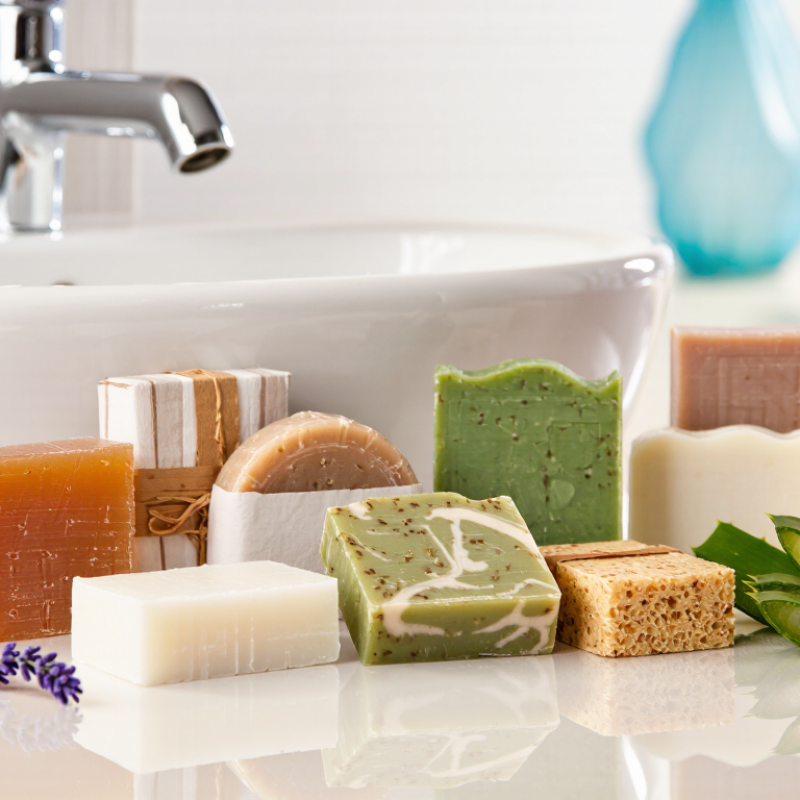
Global buyers typically evaluate ten bar soap types: standard guest soap, facial soap, moisturizing soap, glycerin soap, vegetable-oil soap, triple-milled soap, exfoliating soap, oat soap, shea butter soap, and fragrance-free soap. Each serves a different operating need. Standard bars suit large properties with tight budgets. Triple-milled bars usually offer a harder texture and longer use. Glycerin bars look clear and feel gentle, but may soften in humid bathrooms. Fragrance-free and oat-based options can support guests with sensitive skin, although suppliers should avoid unsupported medical claims.
Packaging matters as much as formulation. Individually wrapped bars improve hygiene control and storage handling. Paper packaging may reduce plastic use, but it can weaken near showers. A procurement team should test carton strength, soap weight, scent stability, and dissolution speed before a large order. Small details matter.
A practical mistake is choosing only by unit price. A cheaper bar may dissolve after one shower. No single bar fits every bathroom. Hotel category, climate, dispenser policy, guest profile, and disposal systems should shape the final specification. Suppliers should provide ingredient documentation, batch details, and consistent quality records for responsible international purchasing.
Top 10 Hotel Bar Soap Types by Ingredients, Skin Benefits, and Use
Hotel bar soap selection now depends on ingredients, skin benefits, and guest use. Grand View Research estimated the global hotel toiletries market at about USD 18 billion in 2023, showing strong demand for practical amenities. The ten useful types include glycerin for lightweight cleansing, shea butter for dry skin, oatmeal for sensitive skin, aloe vera for soothing, olive oil for conditioning, coconut oil for creamy lather, charcoal for oily skin, goat milk for a softer feel, fragrance-free soap for reactive guests, and exfoliating soap for occasional body use.
Each formula needs a clear purpose. Glycerin bars suit frequent handwashing beside hotel sinks. Shea butter and goat milk bars feel more comfortable in dry climates. Oatmeal and fragrance-free options reduce unnecessary sensory irritation, although they cannot guarantee suitability for every guest. Aloe vera may support a fresh, calming experience after sun exposure. Charcoal appeals to guests seeking a deep-clean impression, but excessive dryness can result. Exfoliating bars should stay in showers, not near facial-care products.
Use matters as much as ingredients. Mintel’s consumer research consistently shows growing interest in gentle and wellness-focused personal care, while Booking.com’s 2024 Sustainable Travel Report found that 75% of travelers want more sustainable choices. Smaller bars can reduce unused waste, but poorly sized packaging may create inconvenience. “Natural” does not always mean mild. That assumption needs correction. Procurement teams should request ingredient lists, allergen information, stability testing, and verified sustainability claims before approval. Guest comfort is measurable, yet some feedback remains subjective. That is where careful review matters.
Top 10 Hotel Bar Soap Types by Ingredients, Skin Benefits, and Use
This comparative chart evaluates common hotel bar soap categories using a 1–10 suitability index. The scores reflect typical ingredient characteristics, guest skin benefits, and practical suitability for hotel use; actual performance varies by formulation, fragrance level, cleansing strength, and certification.
Global Selection Matrix: Matching Soap Types to Hotel Segments and Regulations
Global buyers should match hotel bar soap with both guest expectations and local compliance demands. Ten practical categories include vegetable-based, glycerin, syndet, moisturizing, fragrance-free, hypoallergenic, exfoliating, herbal, spa-style, and compact single-use bars. Each serves a different operating context.
Budget hotels often prefer compact vegetable-based or glycerin bars. They are simple to portion and usually fit high-volume housekeeping routines. Premium resorts may select moisturizing, herbal, or spa-style soaps, but fragrance allergens require careful review. Fragrance-free and hypoallergenic options suit hospitals, wellness properties, and hotels serving sensitive guests.
Syndet bars can support properties seeking a mild, soap-free cleansing format. Exfoliating bars need caution in daily-use rooms, especially where rough particles may concern guests and wastewater managers.
Regulatory screening should examine the ingredient list, allergen declarations, safety documents, labeling language, batch traceability, and packaging rules. Import requirements can differ by destination, even within one region. Avoid unsupported claims such as “antibacterial” or “medical,” unless the product has the required evidence and authorization. I have seen purchasing teams approve attractive samples, then reject them during customs review. That gap is costly.
A useful selection matrix records hotel segment, guest profile, room turnover, climate, water conditions, packaging limits, and destination rules. Test lather, rinsing, skin feel, and breakage in real bathrooms. Small details matter. A perfect formula on paper may soften in humid storage. This is where procurement decisions need practical testing, not assumptions.
