Top 10 PVC Well Pipe Suppliers for Global Buyers
Groundwater underpins water security across homes, farms, and industry. UNESCO’s 2022 World Water Development Report, Groundwater: Making the Invisible Visible, estimates that groundwater supplies nearly half of domestic water withdrawals and about one-quarter of irrigation withdrawals worldwide. Those figures matter. A pvc well pipe is not just a line item; its dimensions, material quality, and joint performance can affect a well’s long-term reliability. Buyers need evidence, not polished claims.
This guide to the Top 10 PVC Well Pipe Suppliers for Global Buyers focuses on practical checks: published specifications, manufacturing consistency, product testing, export experience, and responsive technical support. ASTM F480 provides specifications for thermoplastic well casing and screen, while NSF/ANSI/CAN 61 addresses health effects of drinking-water system components. Requirements vary by destination and application, so these references are useful checks, not universal approval. Specs vary. Ask suppliers for current test reports, product dimensions, resin information, and clear warranty terms. A sample joint or installation guide can reveal details a catalog may miss. Price matters, but low cost alone says little about service life or support. Even a supplier with strong documentation may not fit every project; that deserves a closer look. The comparison ahead is designed to help buyers shortlist credible manufacturers and verify suitability before placing an order.
PVC Well Pipes: Materials, Standards, and Applications
Top 10 PVC Well Pipe Suppliers for Global Buyers
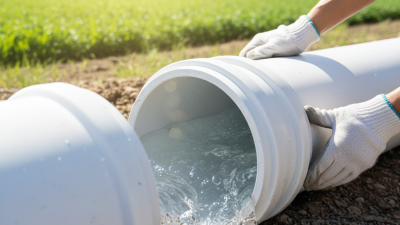
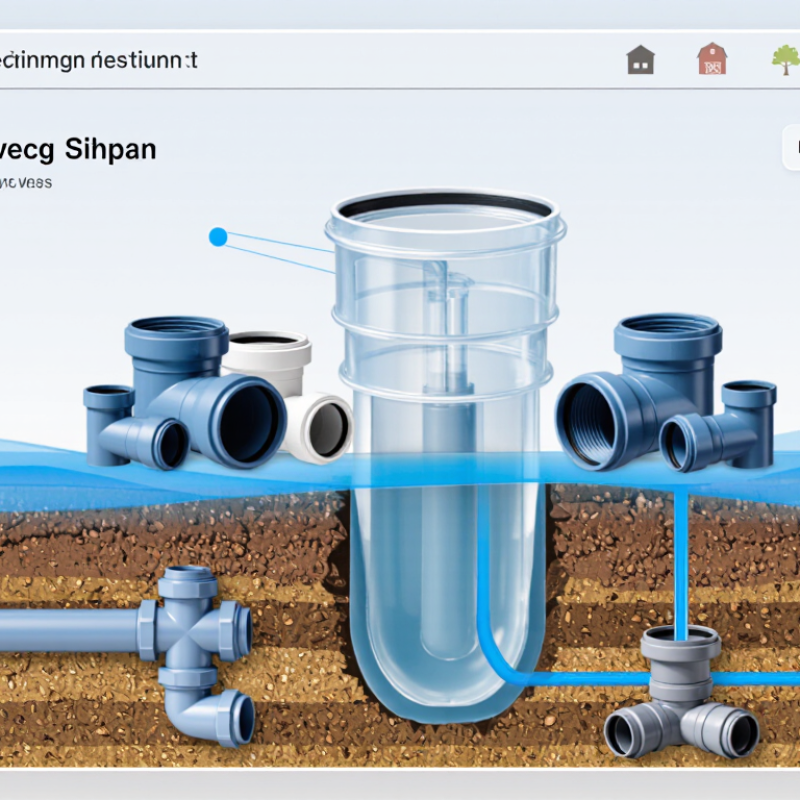
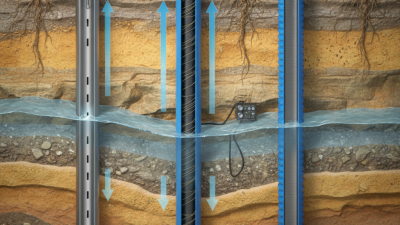
PVC well pipes are widely used in water wells because they resist corrosion and are relatively light to handle on site. They are typically made from rigid polyvinyl chloride, with casing supporting the borehole and slotted screens allowing groundwater to enter. Screen openings need to suit the formation; slots that are too wide can admit sand. PVC is durable, but not invulnerable. Heat, impact, sunlight during storage, and excessive installation loads can cause damage.
Standards help buyers compare products, but the correct specification depends on the application. ASTM F480 covers thermoplastic well casing and screen, while NSF/ANSI/CAN 61 may be relevant when components contact drinking water. Check the current standard editions, local requirements, pipe dimensions, pressure rating, and joint design. These details matter in municipal supply wells, irrigation systems, and groundwater monitoring installations. A pipe suitable for one depth or soil condition may not suit another.
Tips: Ask for test records and confirm the pipe’s rated installation depth. Inspect sockets and pipe ends for cracks before lowering sections. Store pipes out of direct sunlight, and avoid dragging them over sharp gravel. Small handling mistakes can become expensive underground.
PVC-U Pressure Classes: Nominal Pressure Rating
Common nominal pressure (PN) classes used for PVC-U pressure-pipe systems, shown in bar. These ratings are not a substitute for well-casing design: allowable pressure depends on pipe dimensions, temperature, installation conditions, and the applicable standard.
Key Criteria for Evaluating Suppliers in Global Markets
Global buyers should assess PVC well-pipe suppliers on verified product performance, not price alone. Request dimensional records, material traceability, and test results for the exact pipe specification. Compare like with like: diameter, wall thickness, joint type, length, and intended well conditions. For pressure-bearing PVC-U, confirm testing against ISO 1452 or the applicable regional standard. A certificate is useful, but it does not replace batch-level evidence.
Logistics deserve equal scrutiny. The World Bank’s 2023 Logistics Performance Index assessed 139 economies across six dimensions, including customs, infrastructure, tracking, and timeliness. It cannot verify pipe quality, but it offers useful context for delivery risk. Ask suppliers for recent on-time shipment figures, realistic production lead times, export packing details, and a clear process for handling damaged or nonconforming goods. Small details matter. A few millimetres of tolerance can complicate installation across a long well string.
Tips: Request one sample section and its matching inspection report before a large order. Check markings, wall thickness, and joint fit with basic tools. Then verify that the production batch matches the approved sample. No checklist catches everything; supplier records may look stronger than day-to-day consistency, so keep the first order modest when possible.
Ten PVC Well Pipe Suppliers for International Buyers
International buyers comparing ten PVC well pipe suppliers should look beyond price lists. The right supplier can match pipe dimensions, wall thickness, joint style, and application requirements. Ask whether casing and screen sections are available as a coordinated system. A mismatch can complicate installation at the well site. Small details matter.
Request current technical drawings, material data, and test reports for the specific product being quoted. Check that documents identify the product and production batch, not just a general company profile. Ask about dimensional tolerances, packaging, and inspection procedures. Ask for proof. A polished catalog alone is not enough.
Export experience also deserves careful review. Confirm lead times, minimum order quantities, spare fitting availability, and how shipping damage or production delays are handled. Discuss pallet dimensions and protective wrapping before booking freight; long pipe bundles can be awkward to unload and store. Compare written quotations on the same specifications, including delivery terms and document support. I would not assume the largest supplier is automatically the safest choice. Smaller suppliers may offer closer technical communication, but their export capacity should be checked. A short sample review can reveal fit or finish issues that paperwork may miss. Some uncertainty remains until the full order arrives.
Comparing Supplier Products, Certifications, and Export Capabilities
Top 10 PVC Well Pipe Suppliers for Global Buyers
For global buyers, compare suppliers through measurable product details, not polished catalogs. Check outside diameter, wall thickness, pressure rating, joint type, and tolerances against the well design. For screened sections, inspect slot width and open area; uneven cuts can admit sand or reduce yield. Request batch test reports and sample joints before approving a container order. Details matter.
Read certification claims carefully. Check whether certificates cover the exact pipe grade, diameter range, and factory—not only the supplier’s management system. ISO 9001 concerns quality processes; drinking-water approvals address material contact, and requirements vary by destination. WHO and UNICEF’s 2023 Joint Monitoring Programme reported that 2.2 billion people lacked safely managed drinking water in 2022. This is infrastructure context, not a sales forecast.
Export capability is equally practical. Compare lead times, pallet protection, container loading plans, customs documents, and experience shipping to your region. Request references for similar well projects, a certificate of analysis, and written procedures for handling damaged or out-of-tolerance pipes. A neat certificate folder can still hide gaps. Some low quotes exclude freight, testing, or replacement terms. Ask for proof. Compare landed cost and response speed, not just unit price.
How to Verify a Supplier Before Placing an Order
A supplier’s catalog is only a starting point. Before ordering PVC well pipe, compare its written specifications with your project requirements, including diameter, wall thickness, pressure rating, joint type, and intended installation depth. Ask for recent test reports and confirm that the stated testing method matches the product you plan to buy. Check certificate details with the issuing organization when possible. Paper can look polished.
Request a sample from the same production line and inspect it under good light. Measure the pipe’s diameter and wall thickness at several points; look for uneven edges, surface cracks, or inconsistent color. Test how the joints fit, and ask how the supplier tracks production batches. A sample is useful, but it cannot prove every shipment will match. That gap matters.
Check the factory’s capacity, quality-control steps, lead times, and packing method. Ask for dated production photos or arrange an independent inspection before dispatch. Contact trade references, and clarify who handles damaged goods, replacement parts, and shipping delays. Keep agreed specifications and tolerances in writing. If a quote is far below comparable offers, ask what explains the difference. Even careful checks leave some uncertainty; I would not treat a friendly call as evidence. Look for specific answers, consistent records, and willingness to verify claims.
Top 10 PVC Well Pipe Suppliers for Global Buyers – How to Verify a Supplier Before Placing an Order
| No. | Verification Area | Evidence to Request | How to Check Before Ordering | Warning Sign |
|---|---|---|---|---|
| 1 | Legal business identity | Business registration details, registered address, and a matching company name on the quotation and contract. | Check the registration through the relevant official business registry and independently confirm the address and contact details. | The payee, contracting party, and stated manufacturer are different entities with no clear explanation. |
| 2 | Relevant manufacturing capability | Current facility address, production-process description, equipment list, and recent production photos or a live video walkthrough. | Confirm whether the seller manufactures the pipe or acts as a trading company; assess whether its stated capacity fits the order. | The seller cannot identify the production site or explain who controls product quality. |
| 3 | Product specification | A written datasheet stating outside diameter, wall thickness, length, joint type, material designation, and applicable tolerances. | Compare the datasheet with the project drawings, local well requirements, and the exact standard or specification named in the order. | The quotation uses vague terms such as “standard size” without measurable dimensions or tolerances. |
| 4 | Standards and claims | The precise standard number and edition, the product scope covered, and any relevant test or certification documents. | Check the standard’s scope with the issuing organization. For example, ASTM F480 covers thermoplastic well casing and screen; verify the applicable edition and product requirements. | A certificate is presented as proof of compliance but does not identify the product, scope, issuing body, or validity. |
| 5 | Material and batch traceability | Material declarations, batch or lot identification, and records linking finished pipes to production dates and material lots. | Ask for a sample traceability record and confirm that pipe markings can be linked to the supplied inspection documents. | The supplier cannot explain how a delivered batch would be identified or traced. |
| 6 | Quality management | Quality-control procedures, inspection records, and any claimed quality-management certificate. | If ISO 9001 certification is claimed, verify its validity, certified site, and scope with the certification body or its accreditation directory. ISO 9001 concerns the management system, not automatic product approval. | The supplier treats a general management-system certificate as proof that every pipe meets the order specification. |
| 7 | Testing and inspection | Recent test reports showing the tested product, methods, results, sample identification, and testing laboratory. | Confirm that the tests match the agreed specification and, where needed, arrange independent pre-shipment inspection or testing. | Reports are undated, unrelated to the quoted product, or omit the test method and sample identity. |
| 8 | Potable-water suitability | Applicable drinking-water contact approvals or test documentation, if the intended use requires them. | Check requirements in the destination jurisdiction. NSF/ANSI/CAN 61 addresses health effects of drinking-water system components; confirm that the exact product and intended use are covered. | A general PVC material statement is offered as a substitute for required product-specific drinking-water approval. |
| 9 | Commercial terms and payment | A signed quotation or contract covering specifications, quantity, price, delivery terms, lead time, inspection, warranty, and payment schedule. | Ensure the contract names the correct legal parties and states how nonconforming goods, delays, and disputes will be handled. | Payment is requested to an unrelated account or the supplier pressures the buyer to pay before basic checks are completed. |
| 10 | Packaging and export readiness | Packing plan, loading details, shipping-document examples, and confirmation of applicable export and destination-market requirements. | Confirm how pipes will be protected from impact, deformation, and contamination during handling and transit; agree who arranges freight and insurance. | Packaging, delivery responsibility, or required shipping documents are left undefined until after payment. |
Buyer note: Use this checklist to qualify suppliers, not as a ranking of named companies. Confirm the governing well-pipe specification and regulatory requirements for the intended application and destination before placing an order.
Related Posts
-
China Best PVC Well Pipe Supplier for Global Buyers?
-

How to Choose the Right Plastic Tube Supplier
-
10 Best Well Pipe Suppliers for Global Buyers?
-

10 Essential Tips for Choosing a Well Water Pump for Your Home
-
Top Pipe Supplies in China for Global Buyers Guide?
-
2026 Best Well Casing Solutions for Efficient Water Management?