What Are the Top Toys Storage Boxes for Buyers?
Choosing the right Toys Storage Boxes can transform a crowded playroom into a safer, calmer space. Buyers need more than attractive colors and cheerful cartoon designs. They should examine capacity, material strength, ventilation, lid safety, and cleaning requirements. A box that looks perfect online may feel flimsy after several weeks of daily use.
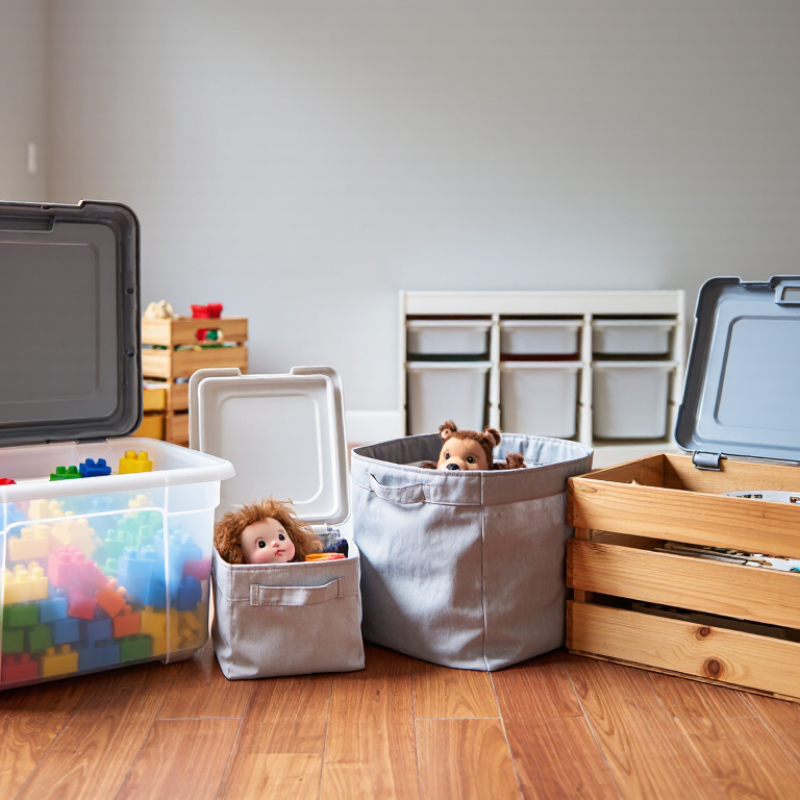
Practical experience matters here. Measure the shelf, doorway, and available floor area before ordering. A large container may hold many building blocks, yet become difficult for a child to move. Smaller boxes can support sorting by dolls, cars, puzzles, or art supplies. Clear plastic helps children find items quickly, while fabric bins usually feel lighter and softer. Wooden options may offer durability, but their edges and hinges require careful inspection. Buyers should also check weight limits, washable surfaces, and whether small parts could escape through gaps.
Safety should remain central. Rounded corners, stable bases, and secure but easy-to-open lids can reduce common frustrations. However, no storage box replaces adult supervision, especially around toddlers and loose pieces. Product descriptions are useful, but verified dimensions and independent customer reviews often reveal more. Some recommendations may age badly as designs change. Even experienced buyers can overlook how noisy a lid becomes in a quiet bedroom. The best choice balances organization, durability, accessibility, and the child’s actual habits. A box that encourages cleanup is valuable, even if it is not the most stylish option.
What Defines a High-Quality Toy Storage Box?
A high-quality toy storage box should feel stable before it looks attractive. Press the corners gently. They should not flex, wobble, or produce cracking sounds. Thick panels, reinforced joints, and a flat base help the box survive daily use. In a busy playroom, children may sit on the edge or pull the box across the floor. That pressure exposes weak construction quickly.
Material choice matters. Smooth, non-toxic surfaces are easier to wipe after spilled juice or dusty outdoor toys. Rounded corners reduce painful bumps, while covered hinges help prevent trapped fingers. A lid should stay open when lifted, or remain light enough for a child to move safely. Avoid boxes with sharp metal edges, loose fasteners, or strong chemical odors. These details are easy to overlook.
Capacity also needs honest testing. A box that holds everything may become too heavy to move. Dividers can separate small blocks from larger toys, but fixed compartments sometimes waste space. I once preferred a large container, then found missing puzzle pieces buried underneath. Clear labels and low handles solved part of the problem, though not perfectly. A reliable box should support independent cleanup, fit its intended space, and remain useful as children’s toys change. Check the weight limit, ventilation, and cleaning instructions before buying.
What Storage Box Designs Improve Organization and Accessibility?
The best toy storage boxes improve visibility before they improve capacity. The 2023 IKEA Life at Home Report surveyed more than 37,000 people across 38 countries, showing how strongly home organization connects with daily wellbeing. Buyers should therefore favor low, open-front boxes that children can reach without climbing or emptying a deep container.
Clear panels help children identify a missing puzzle or a red building brick quickly. Removable dividers separate small pieces from larger toys.
Wheels can support flexible room layouts, but they may roll under tables or create trip hazards. A useful box needs a firm lid, rounded edges, and ventilation slots when suitable.
It should also fit the shelf depth, not merely look large online.
The American Academy of Pediatrics recommends accessible storage that supports children’s independent routines. In practice, this means placing daily-use toys between knee and shoulder height. Use picture labels for younger children and written labels for older ones.
Keep heavier boxes near the floor. Small boxes inside a large chest often reduce searching, although too many compartments can slow cleanup.
I have found that families frequently buy oversized containers, then lose the floor space they wanted to protect. The better design is usually modest, visible, and easy to reset in under a minute. Tiny details matter.
How Can Buyers Choose the Best Toy Storage Box?
How Can Buyers Choose the Best Toy Storage Box?
The best toy storage box fits the child’s routine, room size, and toy types. Start with capacity, not appearance. A box should hold today’s toys without becoming dangerously heavy. The U.S. Consumer Product Safety Commission reported an estimated 231,000 toy-related emergency-room injuries among children in 2023. This makes safe access important. Choose rounded edges, stable bases, and lids that do not slam shut. Ventilation also matters for fabric or plastic containers stored in warm rooms.
Measure the shelf, floor space, and doorway before ordering. Clear boxes help children find small blocks quickly. Open bins suit daily play, while lidded boxes protect puzzles from dust. For heavier toys, select reinforced handles and thick walls. Check the stated load capacity carefully. Some boxes look large but bend under modest weight. Materials should be easy to wipe, especially near snack areas. The American Academy of Pediatrics also recommends reducing clutter and keeping play spaces organized to lower household hazards. Still, organization alone cannot replace supervision.
Tips: Label each box with words and pictures. Keep heavy toys below waist height. Test the lid with one hand. Avoid boxes with loose hinges or sharp seams. Leave a small empty space inside. Children often abandon systems that feel too full. I would also reconsider buying one oversized container. It seems efficient, but mixed toys become difficult to sort and harder to return. A few smaller boxes may cost more initially, yet they can support better daily habits.
