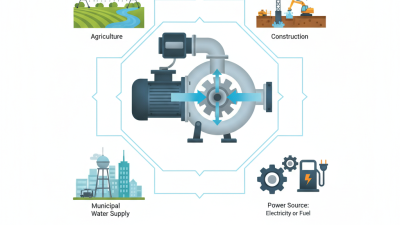
What Are the Top Types of Water Pump Systems in 2026?
In 2026, choosing a water pump system starts with the job, not the product label. A basement sump pump must move water reliably during a sudden downpour. A household booster pump instead helps maintain pressure at taps and showers. The difference matters.
This guide compares the leading system types: centrifugal, submersible, positive-displacement, booster, and solar-powered pumps. It looks at how they work, where they fit, and what buyers should check, including flow rate, head, power supply, maintenance, and water quality. Some categories overlap; a submersible pump, for example, may also use centrifugal technology. So, rankings alone can mislead.
Pump engineer Igor J. Karassik’s work offers a useful principle, paraphrased here: “Judge a pump by how well it serves the complete system.” That means considering pipes, controls, and operating conditions—not just the pump’s advertised capacity. A larger unit is not automatically a better choice. It may use more energy than the application requires.
Small details count. A pump’s rated flow may change with lift, pipe friction, and fittings. Product specifications and installation conditions should therefore be checked carefully. This overview is a starting point, not a substitute for site-specific advice. The right system depends on the water source, demand, and operating environment. A little uncertainty is normal. The goal is a practical comparison, not a one-size-fits-all answer.
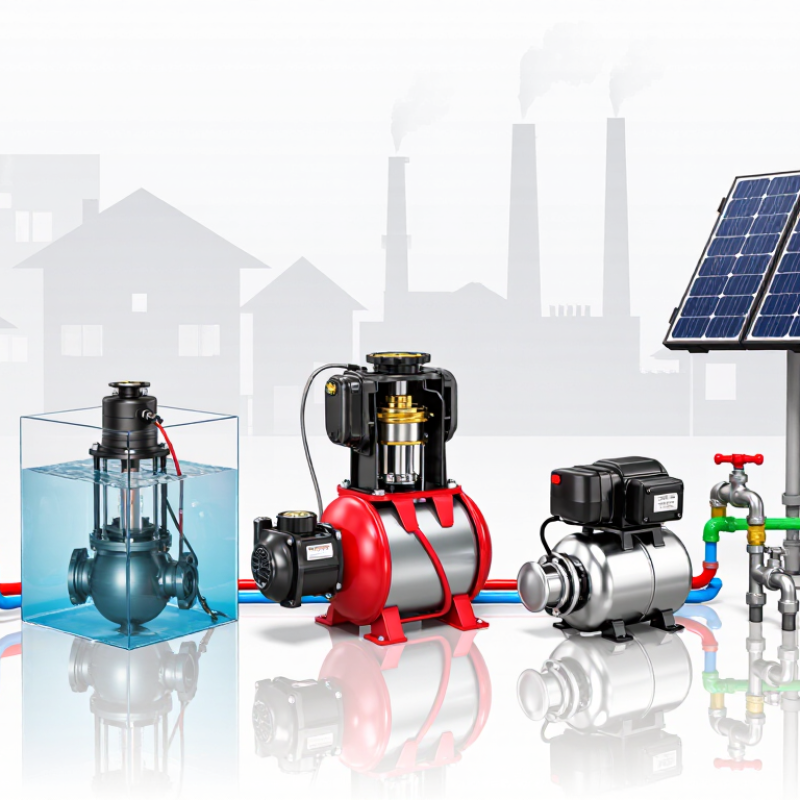
How Water Pump Systems Are Classified by Design and Function
Water pump systems are best understood through two questions: how they move water, and what job they perform. Design describes the pumping mechanism; function describes its role in a building, farm, or utility network. These categories overlap, so a site assessment is often more useful than a catalog label. Small detail, big difference.
By design, centrifugal pumps use a rotating impeller to create flow. They suit steady transfer, such as moving water from a storage tank to an irrigation line, but poor suction conditions can reduce performance. Positive-displacement pumps move measured volumes, making them useful for controlled, low-flow applications. Submersible pumps operate underwater, often in wells or sumps, while dry-mounted pumps remain accessible in a pump room. Installation depth, debris, and pressure requirements all matter.
By function, systems may serve domestic supply, drainage, circulation, irrigation, or pressure boosting. A booster system raises pressure on upper floors; a drainage system removes water from a basement pit. Some installations combine roles, and simple labels can be misleading. Check flow rate, total head, water temperature, solids content, and duty cycle against real operating conditions. A pump that looks powerful on paper may cycle too often or run inefficiently. Measurements at the inlet and outlet can expose a mismatch before it becomes a maintenance problem.
What Are the Top Types of Water Pump Systems in 2026?
Pump systems are commonly classified by their hydraulic design and operating function. This chart compares indicative total-head ranges; actual performance depends on pump size, configuration, and operating conditions.
Axial-flow pumps generally serve high-flow, low-head duties, while multistage centrifugal and positive-displacement pumps can serve higher-head applications. The ranges overlap and are indicative, not guaranteed operating limits.
Centrifugal Pumps: Common Designs for Moving Large Water Volumes
Centrifugal pumps move water by spinning an impeller inside a casing. The impeller adds velocity, and the casing converts much of it into pressure. For large, steady flows, horizontal split-case pumps are a common choice. Their casing separates horizontally, making inspection and impeller access easier without disturbing connected piping. They suit municipal supply, irrigation, and cooling-water duties when flow and head match the pump curve. That match matters. A pump selected only by pipe size may run far from its efficient operating point. End-suction pumps suit simpler installations and moderate duties, though very large flows may call for larger units or parallel pumps.
Vertical turbine pumps draw water from wells, reservoirs, or deep wet pits. Their submerged bowl assembly lifts water while the motor stays above the source. Axial-flow and mixed-flow designs also serve high-flow applications where required head is relatively low, such as drainage canals or flood-control stations. Cavitation risk, suction conditions, and debris should be checked before selection. A practical review compares measured flow, total dynamic head, water temperature, and available suction pressure with pump performance curves. Small details matter. A partly blocked intake or worn impeller can change performance; real systems are rarely as tidy as drawings suggest.
Positive Displacement Pumps: Controlled Flow at Higher Pressures
Positive displacement pumps move a measured volume of liquid with each cycle or shaft rotation. This makes flow steadier when pressure rises, unlike many centrifugal pumps, whose output can fall as system resistance increases. Gear, diaphragm, piston, and screw designs all use this principle, but they suit different liquids and operating conditions. A gear pump may handle viscous oil, while a diaphragm pump can isolate liquid from moving parts. The right choice depends on more than pressure alone.
In practical systems, these pumps can feed dosing lines, hydraulic circuits, or thick fluids through long pipe runs. Their controlled delivery is useful, but it does not mean pressure is automatically safe. If a discharge valve closes, pressure can climb quickly unless a suitable relief path is installed. Pulsation, seal wear, and poor suction conditions also deserve attention. I have seen flow readings look stable while vibration hinted at a developing problem. That detail is easy to miss.
Tips: Check the pump curve against your real fluid temperature and viscosity, not just a catalog estimate. Confirm the relief setting and pipe rating before startup. Listen for unusual knocking, and inspect connections for leaks. Small detail. Big consequence. If the flow still seems uneven, review suction piping and air entry before assuming the pump is undersized.
Submersible, Jet, and Booster Pumps: Specialized System Types
Submersible pumps sit below the waterline and push water upward, making them a common choice for deep wells and storage tanks. Their sealed motors stay immersed, so the pump does not need surface priming. That matters. Before choosing one, check the well’s inside diameter, water depth, and expected flow rate. A pump that is too powerful can cycle excessively or draw a well down faster than it recovers. Sediment can also wear components, even when a pump is described as suitable for well use.
Jet pumps remain above ground and pull water through a suction line. Shallow-well models suit modest lift distances; deeper setups use an ejector arrangement. They are easier to reach for inspection, but may need priming and can be noisy in a utility room. Not always the simpler option. Booster pumps serve a different purpose: they raise pressure when an existing supply feels weak, such as at an upstairs shower or garden tap. Some use a pressure switch; others vary speed as demand changes. Check incoming flow, pipe losses, and pressure limits before installation. A tidy pressure reading can be misleading if the source itself cannot supply enough water. Sizing is rarely perfect from one measurement alone, and that deserves a second look.
How to Match a Pump System to Its Water Source and Application
A suitable pump is chosen by matching water source, required flow, and total head, not by horsepower alone.
Deep wells generally need multistage submersible pumps; shallow wells may suit surface centrifugal pumps, provided suction lift stays within the equipment’s limits. For muddy drainage water, check the manufacturer’s solids-passing guidance and select a design that can be serviced easily.
Small details matter.
A narrow pipe or clogged intake can reduce delivered flow.
The U.S. Geological Survey’s 2015 water-use report estimated withdrawals of
322 billion gallons per day
across the United States, with irrigation accounting for about
42 percent.
That range of demand calls for different systems: irrigation may need steady, high-volume delivery, while dosing or viscous liquids can favor positive-displacement pumps.
For buildings with weak supply pressure, a booster set may help, but it should be sized around peak demand and the available inlet pressure. The U.S. Department of Energy’s pump-system sourcebook notes that pumping can represent a substantial share of industrial energy use.
Variable-speed control may reduce waste when demand changes, though it is not automatically the right choice.
On paper, flow looks simple. In the field, pipe friction, changing water levels, and maintenance access complicate the match.