Top 10 Uses of PVC Well Pipe for Water Distribution and Irrigation?
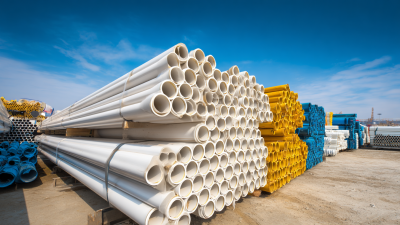
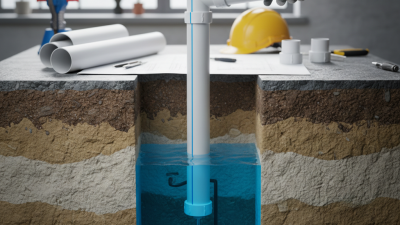
In recent years, PVC well pipe has gained significant popularity in water distribution and irrigation systems. This versatile material offers a range of benefits, making it a go-to choice for many applications. PVC well pipe is known for its lightweight nature and resistance to corrosion. It is easy to install and can withstand various environmental conditions.
Farmers and urban planners increasingly rely on PVC well pipe for its structural integrity and affordability. Its smooth interior reduces friction, promoting better water flow. However, there are concerns about its long-term environmental impact. The production and disposal of PVC raise important questions worth considering. While PVC well pipe is effective, exploring sustainable alternatives might be necessary for future water management.
Understanding the top uses of PVC well pipe is crucial in maximizing its benefits. Each application presents unique challenges and opportunities. By examining these uses, we can appreciate this material's role in enhancing water distribution and irrigation efficiency. Exploring PVC well pipe's impact invites reflection on improving our practices for a sustainable future.

Top 10 Applications of PVC Well Pipe in Modern Water Systems
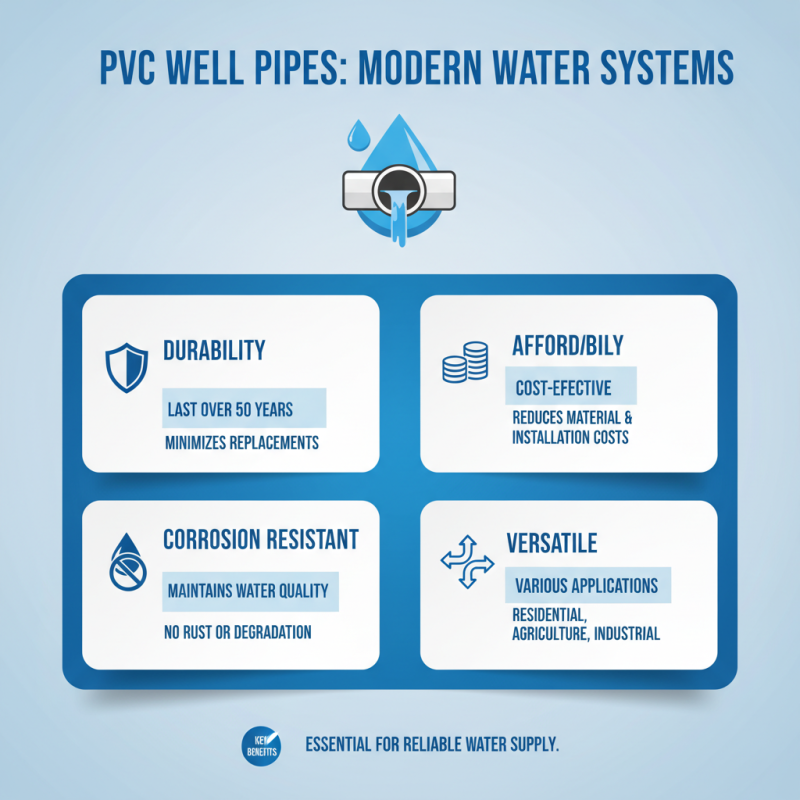
PVC well pipes are essential in modern water systems. Their durability and affordability make them popular for various applications. According to industry reports, PVC pipes can last over 50 years, minimizing replacements. They resist corrosion, which is crucial for maintaining water quality.
In irrigation systems, PVC well pipes ensure efficient water distribution. These pipes have smooth surfaces, allowing for easy water flow. They can handle high pressure, which is vital in agricultural settings. Research shows that proper irrigation can increase crop yields by up to 30%. However, improper installation can lead to leaks, wasting valuable resources.
In urban settings, PVC well pipes play a role in stormwater management. They help reduce flooding by directing excess water away from streets. The lightweight nature of PVC allows for easier handling during installation. Yet, improper grading can compromise drainage efficiency. It is a reminder of the importance of careful planning in infrastructure projects.
Benefits of PVC Well Pipe in Agricultural Irrigation Practices
PVC well pipes are increasingly important in agricultural irrigation. Their lightweight design makes them easy to handle. This ease of use helps farmers install or repair systems quickly. PVC pipes are durable and resist corrosion, ensuring a long lifespan. Farmers can benefit from reduced maintenance costs, making them more economical in the long run.
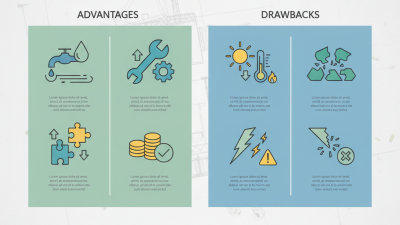
One notable challenge is that PVC pipes can be less flexible than other materials. This rigidity can lead to cracking if not installed properly. Additionally, UV exposure can degrade their performance over time. Farmers must consider these factors when selecting materials for their irrigation systems. Using protective measures can mitigate some risks.
Another point to reflect on is the environmental impact. While PVC pipes are efficient, their production involves fossil fuels. It raises questions about sustainability. As agriculture evolves, finding a balance between efficiency and environmental impact becomes crucial. Farmers should continue exploring new alternatives alongside existing solutions.
Durability and Longevity of PVC Pipes in Water Distribution Networks
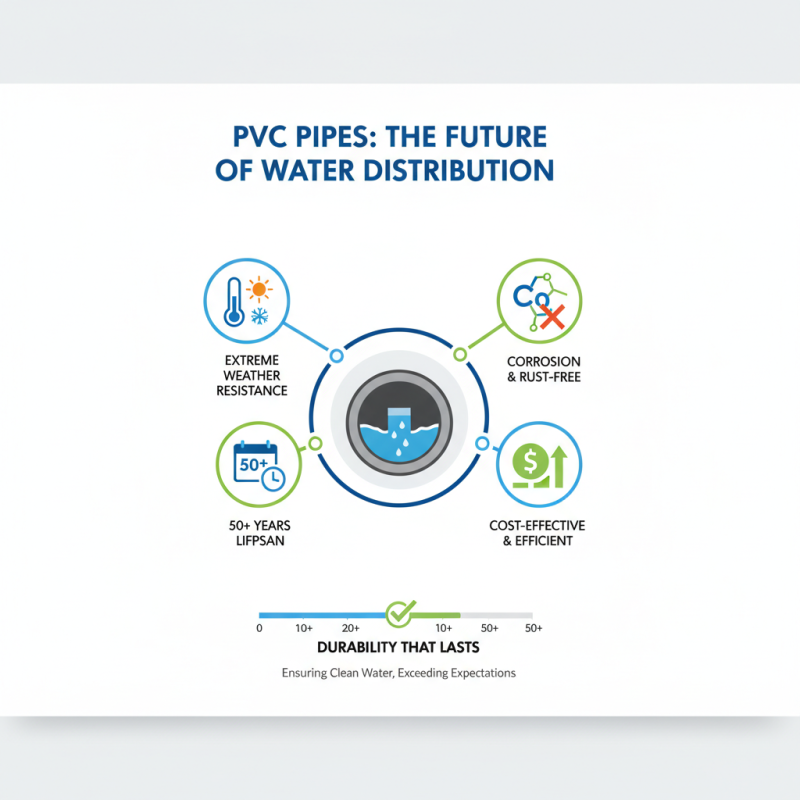
PVC pipes are increasingly popular in water distribution and irrigation systems due to their remarkable durability. These pipes can withstand extreme weather conditions. They resist corrosion, which is a common issue in metal pipes. Additionally, PVC does not rust, ensuring that water quality remains high. The longevity of PVC pipes can often exceed 50 years, making them a cost-effective choice for many projects.
However, it's crucial to use PVC pipes correctly. Improper installation can lead to leaks and failures. Regular maintenance checks are essential to identify any potential problems. Although PVC is strong, physical impacts can damage it. Therefore, ensuring proper backfill and protection during installation is vital.
Some might overlook the importance of sealing joints properly. Without proper sealing, joints may weaken over time. This could lead to leaks, which waste water and create unnecessary expenses. Monitoring and addressing these issues can extend the life of the entire system, ensuring reliable water distribution.
Comparative Analysis: PVC vs. Traditional Materials in Water Systems
PVC pipes have increasingly become a favored choice in water distribution and irrigation systems. They present significant advantages over traditional materials like steel or ductile iron. A report from the American Water Works Association indicates that PVC has a lower life-cycle cost, noticeably saving up to 30% compared to conventional piping. This includes installation and maintenance savings, making PVC a cost-effective solution for long-term projects.
Moreover, PVC is lightweight and easier to install. It often leads to reduced labor costs, as fewer workers are needed for installation. A study shows that projects using PVC can be completed 20% faster than those employing traditional materials, enhancing project efficiency. However, some critics argue that PVC’s durability in extreme conditions is questionable, especially when exposed to UV light. They advocate for traditional materials, asserting their longevity in harsh climates.
While PVC offers flexibility in design and installation, users must consider environments. In some cases, traditional materials may outperform PVC. The comparison isn’t just clear-cut; it requires a nuanced understanding of specific project needs. Each material presents unique advantages and shortcomings that require careful evaluation to ensure the best choice.
Top 10 Uses of PVC Well Pipe for Water Distribution and Irrigation
This chart presents the top 10 applications of PVC well pipes in water distribution and irrigation systems, showing their respective usage percentages. PVC well pipes are widely used due to their durability, cost-effectiveness, and resistance to corrosion compared to traditional materials.
Cost-Effectiveness of PVC Well Pipes for Large-Scale Irrigation Projects
PVC well pipes are increasingly popular for water distribution and irrigation. They provide a cost-effective option for large-scale irrigation projects. Compared to traditional materials, PVC is lighter and easier to install. This can significantly reduce labor costs. The durability of PVC pipes also means fewer replacements are needed over time.
When using PVC pipes, it's essential to consider their pressure ratings. Not every project will require high pressure. For some applications, lower-rated pipes can save money. Always assess the specific needs of your irrigation system. Also, remember to check local regulations regarding PVC usage.
Tips: Ensure proper installation to avoid leaks. Regular maintenance can prolong the life of your piping system. Choose the right diameter for efficient water flow. Keep in mind that improper sizing can lead to water wastage. Consider the environment too. Well-planned irrigation can greatly impact crop yield. Reflect on the long-term sustainability of your choices.