Top Water Well Supplies Manufacturers and Suppliers Worldwide
Reliable water well supplies begin below the surface, where equipment must withstand pressure, corrosion, sediment, and changing groundwater conditions. This guide examines leading manufacturers and suppliers serving drilling, construction, rehabilitation, and maintenance projects worldwide. It considers screens, casings, pumps, pressure tanks, drilling tools, seals, fittings, and monitoring equipment.
William M. Alley, Ph.D., a respected groundwater scientist and former National Ground Water Association science director, observes, “Groundwater is out of sight, but it is not out of mind.” That reminder shapes this review. Strong suppliers provide clear material specifications, dimensional drawings, test records, and practical installation guidance. They also understand local geology, water chemistry, flow rates, and regulatory expectations. Stainless steel may suit an aggressive aquifer. PVC can offer a lighter, economical option in other conditions. The wrong choice can shorten well life.
Details matter. A properly matched screen controls sand entry. A sealed connection helps protect water quality. A pump curve should reflect actual depth and demand, not only a showroom rating. These points reveal why price alone is a weak purchasing measure.
No supplier is perfect. Delivery delays, incomplete documentation, and inconsistent technical support still occur. Even respected brands may fit one project better than another. That is worth admitting. Buyers should compare evidence, request references, inspect certifications, and confirm after-sales service before committing. This introduction provides a practical starting point for evaluating reputable water well supplies manufacturers and suppliers across international markets.
Understanding Water Well Supplies and Their Role in Groundwater Systems
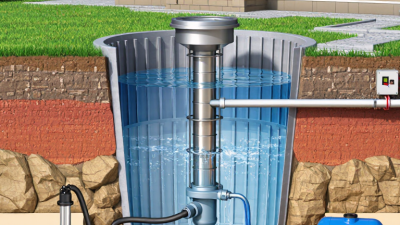
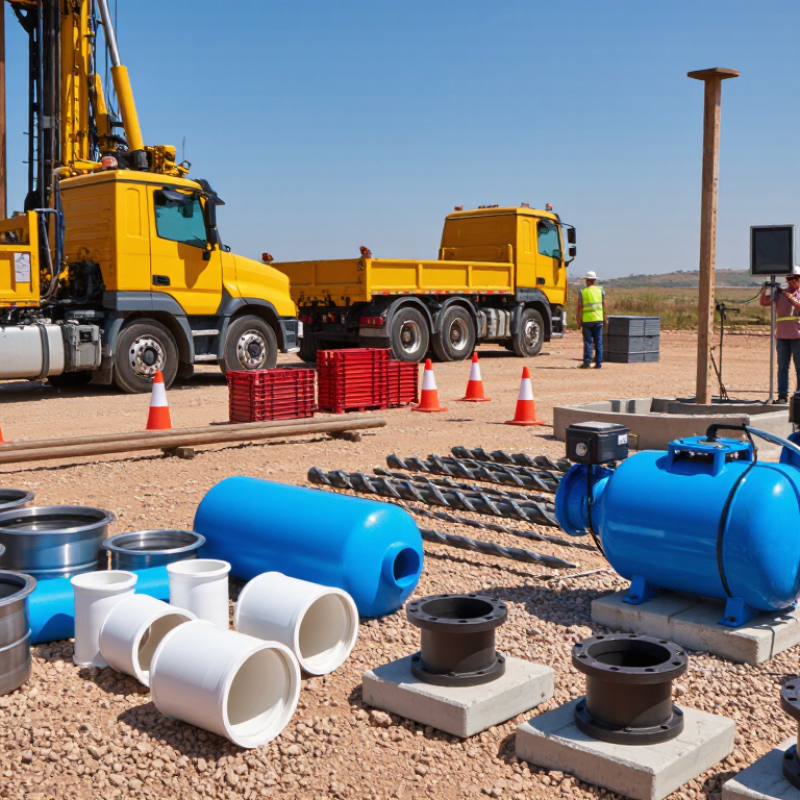
Water well supplies form the working structure between the ground and a groundwater system. Casing supports the borehole and limits wall collapse. Well screens admit water while holding back formation particles. Around the screen, a graded gravel pack can improve flow and reduce sand movement. Grout seals help prevent shallow contaminants from migrating downward.
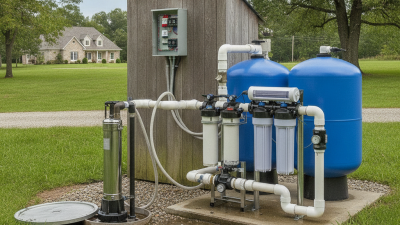
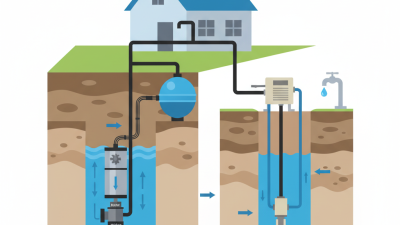
Pump assemblies, drop pipes, check valves, pressure tanks, and flow meters control water delivery after construction. Each component must match the well’s depth, yield, water chemistry, and operating pressure. Fit matters. A pump that is too large may lower the water level quickly and increase stress on the aquifer. A poorly sized screen can also restrict flow or allow persistent sediment into the system.
Reliable manufacturers and suppliers should provide material specifications, testing records, and traceable quality information. Field technicians should inspect joints, measure static water levels, and collect samples before regular use. Small details matter, such as keeping screens clean during handling and protecting open pipe from dust. Conditions change underground. Even a carefully designed well may produce unexpected sand, iron staining, or seasonal pressure changes. These findings deserve investigation rather than quick equipment replacement. Routine checks of discharge, pressure, turbidity, and electrical performance help reveal problems early, although no inspection removes every uncertainty.
How to Evaluate Water Well Supplies Manufacturers and Suppliers
Choosing water well supplies requires more than comparing prices. Evaluate manufacturers by material quality, production controls, and documented field performance. Ask for test reports covering steel grade, plastic composition, thread accuracy, and pressure resistance. Certificates should match the project’s location and applicable water safety requirements.
A reliable supplier explains how screens, casings, pumps, seals, and fittings work together. Request drawings, dimensional tolerances, installation guidance, and replacement-part details. Check whether the supplier tracks batch numbers and investigates defects. Delivery reliability also matters. A delayed screen or incorrect coupling can stop drilling work for days. A polished catalog is not proof of technical competence. Ask for evidence.
Tips: Compare at least three suppliers using the same checklist. Inspect sample threads and welds before ordering. Confirm packaging can protect components from dust, impact, and moisture. Review warranty exclusions carefully. Speak with contractors who have used similar products in comparable ground conditions. Their feedback may reveal problems hidden in formal documents. Keep records of quotations, test results, and technical replies. This makes weak claims easier to identify. One detail is often missed: verify that replacement parts remain available after the original project ends.
Leading Water Well Supplies Manufacturers and Suppliers Worldwide
Leading water well supplies manufacturers and suppliers worldwide support projects from rural boreholes to municipal groundwater systems. Their product ranges often include well casing, screens, submersible pumps, drilling tools, seals, cables, and monitoring equipment. Reliable suppliers understand that one design cannot fit every aquifer. They consider geology, water chemistry, drilling depth, flow demand, and local installation practices before recommending components.
Experienced manufacturers provide traceable materials and clear technical data. A stainless steel screen, for example, should show its grade, slot size, strength, and manufacturing tolerance. Pumps need verified flow curves, power requirements, and operating limits. Packaging also matters. Strong crates and sealed fittings can prevent damage during long international transport. Suppliers with engineering teams may review drawings, assist with sizing, and offer practical support after delivery.
Not every catalog tells the full story. A polished brochure can still hide weak documentation or inconsistent quality. Even experienced buyers sometimes select parts from different systems without checking compatibility. That mistake can cause leaks, vibration, or early pump failure. Independent testing, sample inspection, and written quality records improve confidence. Regional stock is useful, but dependable communication matters more when a project faces changing ground conditions or delayed drilling results. Manufacturers that listen carefully, admit limitations, and adjust specifications usually earn longer-term trust.
Top Water Well Supplies Manufacturers and Suppliers Worldwide
Global freshwater withdrawal by end-use sector provides a practical indicator of demand for water-well equipment, pumps, casings, screens, and related supplies.
Agriculture accounts for approximately 69% of global freshwater withdrawals, followed by industry at 19% and municipal use at 12%. Data source: FAO AQUASTAT, global freshwater withdrawal estimates.
Global Sourcing Considerations and Industry Trends
Global sourcing for water well supplies now requires more than comparing unit prices. Buyers assess casing, screens, pumps, seals, cables, and monitoring equipment as one working system. Material compatibility matters, especially where groundwater contains sand, iron, or corrosive minerals. A low-cost component may create expensive maintenance later.
Regional standards and documentation should guide supplier selection. Request test reports, batch traceability, installation instructions, and clear warranty terms. Confirm whether dimensions, electrical specifications, and connection types match local practices.
Lead times also deserve attention. Ports, customs procedures, and seasonal demand can delay critical parts. Some suppliers are reliable on paper, but field references reveal more. This is where sourcing teams often make mistakes.
Tips:
Compare total ownership cost, not only the purchase price. Keep approved alternatives for essential parts. Ask for samples before placing large orders. Digital monitoring is becoming more common, including flow sensors, pressure alerts, and remote fault reporting. Energy-efficient pumps are also gaining interest as operators manage rising power costs. Recycled materials and lower-waste packaging may influence future purchasing decisions, but environmental claims need evidence. Honestly, no sourcing plan is perfect. Local water chemistry can expose weaknesses that laboratory testing misses. Regular field feedback remains essential.