Top Well Pipe Manufacturers for Global Buyers
Global buyers need more than a long supplier list when selecting a well pipe manufacturer. Water wells, geothermal projects, and oilfield installations demand different grades, dimensions, and inspection controls. The right supplier must match the pipe to pressure, depth, temperature, corrosion exposure, and local installation practices.
Market conditions make this decision more important. The UNESCO World Water Development Report 2024 states that agriculture represents roughly 70% of global freshwater withdrawals. That figure highlights the continuing need for dependable groundwater infrastructure. Meanwhile, the International Energy Agency’s World Energy Outlook 2024 expects global oil demand to reach a plateau before 2030 under its stated policies scenario. Energy producers may therefore focus more sharply on efficiency, well integrity, and lifecycle cost. Demand is changing, not disappearing.
This guide examines top well pipe manufacturers serving international buyers. It considers production capacity, steel quality, dimensional consistency, coating options, traceability, and export experience. Compliance with API Specification 5CT and ISO 11960 can support safer casing and tubing decisions, but certification alone is not enough. Buyers should verify mill certificates, heat numbers, hydrostatic testing, thread protection, and independent inspection records. A polished website proves little.
Supplier performance also depends on communication. Can the manufacturer explain collapse resistance in practical terms? Can it protect threaded ends during a long sea shipment? Small details matter. A low quotation may conceal weaker logistics, inconsistent tolerances, or expensive field failures. No ranking is perfect, because project conditions differ widely. Still, comparing these manufacturers through documented evidence can help global buyers reduce uncertainty and select well pipe that performs beyond the catalog.
What Well Pipe Manufacturers Produce and Why Their Products Matter
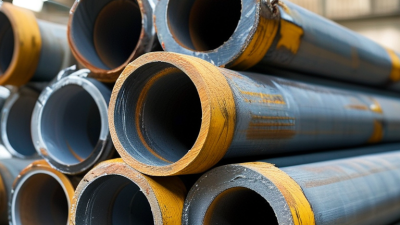
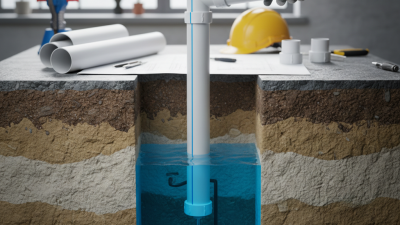
Well pipe manufacturers produce the structural parts that keep a water well open and functional. Their main products include casing, screens, risers, couplings, end caps, and protective fittings. Casing supports unstable formations and separates clean groundwater from unwanted materials. Screens allow water to enter while limiting sand movement. Small design choices matter.
Manufacturers select materials according to depth, soil chemistry, pressure, and expected service life. Common options include steel, stainless steel, and engineered plastic. Each material has strengths and limitations. Steel offers strong mechanical support, while plastic resists many forms of corrosion. However, plastic may require careful handling during deep installation.
Experienced producers also control wall thickness, slot size, thread accuracy, and dimensional consistency. These details affect installation speed and long-term well performance.
Reliable manufacturers test raw materials and finished components against recognized technical requirements. They may inspect welds, measure slot openings, verify pressure resistance, and maintain batch records. This documentation helps global buyers confirm product consistency across shipments. It also supports responsible maintenance when a problem appears years later. In field work, mismatched threads or poorly cut slots can delay an entire project. I have seen specifications look complete, yet overlook local water chemistry. That is an uncomfortable lesson. Buyers should compare test data, tolerances, traceability, and technical support, not only unit price. Clear drawings and responsive engineering advice often prevent expensive installation errors.
Key Standards for Evaluating Well Pipe Manufacturers Worldwide
Top Well Pipe Manufacturers for Global Buyers
Selecting a well pipe manufacturer requires more than comparing prices. Global buyers should examine documented production experience, material control, and compliance with recognized standards. Relevant requirements may include API 5CT, ISO 9001, ASTM specifications, and local construction rules. The correct standard depends on the well design, fluid conditions, and destination market.
Ask for complete mill test certificates and heat-number traceability. Each pipe should connect clearly to its steel batch, inspection record, and production date. Check wall thickness, outside diameter, thread accuracy, tensile strength, and hydrostatic testing procedures. For corrosive environments, request evidence of chemical analysis and suitable corrosion-resistant materials. Independent inspection can verify measurements before shipment.
Do not rely on certificates alone. Visit the factory when possible, or arrange a qualified third-party audit. Review calibration records, nonconformance handling, packaging methods, and export documentation. Experienced manufacturers should explain tolerances in practical terms, not only provide polished brochures. Delivery history also matters, especially for remote projects with difficult unloading conditions.
A careful buyer should question assumptions. A lower price may reflect thinner protection or weaker traceability. However, expensive equipment does not automatically prove better quality. I would compare several recent production records and test samples before approving a supplier. Small details matter, including thread protectors, moisture barriers, and clearly marked bundles. Specifications should be confirmed in writing. Loose wording can create costly disputes later.
Leading Well Pipe Manufacturers by Region and Production Strength
Top Well Pipe Manufacturers for Global Buyers
Leading Well Pipe Manufacturers by Region and Production Strength
Global buyers should compare well pipe manufacturers by regional capability, not catalog size alone. East Asian producers often offer high-volume steel forming, automated threading, and competitive lead times. Their larger mills can supply standard casing and screen pipes in consistent batches. Buyers should still verify wall thickness records and recent inspection reports.
North American manufacturers commonly emphasize traceability, engineered specifications, and strict quality documentation. They may suit municipal, agricultural, and industrial wells requiring detailed compliance files. European factories often focus on corrosion-resistant alloys, precision slots, and controlled production for demanding groundwater conditions. Their strengths usually include process discipline and technical consultation, though minimum order quantities can be higher.
South Asian and Middle Eastern producers may provide flexible fabrication, regional delivery, and practical customization. Some facilities handle galvanized steel, stainless steel, or PVC well pipe with different joint systems. Ask for sample sections, dimensional test results, pressure data, and coating measurements. Small details matter here. A clean thread is not enough.
In supplier evaluations, I compare production capacity with actual delivery performance. A factory may claim a large monthly output but rely on outside processors. That can complicate traceability. I once treated a low quotation as a major advantage; freight changes and rejected fittings erased the savings. The lesson remains imperfect but useful: assess material certificates, batch controls, packaging, and after-sales response together. Then match regional production strength to the well design, soil chemistry, installation method, and project schedule.
How Global Buyers Can Compare Suppliers and Place Orders
Top Well Pipe Manufacturers for Global Buyers
Global buyers should compare well pipe suppliers through evidence, not polished websites. Request factory details, production capacity, material grades, wall thickness, and inspection procedures. Ask for evidence. Current test reports should match the proposed pipe specification, not an older product line. Traceability records can show where steel was sourced, formed, welded, and tested.
A practical comparison sheet should include unit price, minimum order quantity, tooling charges, packaging, lead time, payment terms, and total landed cost. Small details matter. Confirm pipe length tolerance, thread protection, coating quality, and loading methods before signing. Request samples when possible, then measure dimensions and inspect surfaces under good lighting. A minor flaw may become an expensive field problem.
Reliable suppliers usually answer technical questions clearly and provide consistent documents. Buyers can arrange a remote production review or an independent pre-shipment inspection. Check whether certificates are verifiable and whether inspection results cover every batch. Do not rush. One supplier may offer a lower price but weaker packaging or slower replacement support. I have learned that comparison tables can still hide practical risks, especially when shipping schedules change. Include a written remedy for shortages, damaged goods, or failed inspections. Confirm the purchase order, drawings, approved sample, delivery address, and shipping documents line by line before production begins.