
Which Is the Best Sliding Shower Door in 2026?
Choosing the best Sliding Shower Door in 2026 depends on your bathroom, not just the finish in a product photo. A narrow alcove may suit a bypass door with two overlapping panels. A wider opening can make a single sliding panel feel less cramped. Measure the finished opening at the top, middle, and bottom; even a small variation can affect fit and smooth movement.
Shower-door installation specialist Alex Morgan puts the key test this way: “A good sliding door should move smoothly, seal reliably, and feel right in the space.” Look closely at the glass thickness, track design, handle clearance, and water-containment features. A low-profile track is easier to step over, but may need careful installation to limit leaks. Heavier glass can feel solid, yet it also needs hardware suited to its weight. Small details matter.
This guide compares popular door styles and explains what to check before buying. It considers everyday cleaning, available space, installation needs, and long-term ease of use. There is no universal winner. Sometimes the sleekest option is not the simplest to maintain, and that is worth admitting. By the end, you’ll have a clearer way to judge which Sliding Shower Door fits your bathroom and your routine.
How Sliding Shower Doors Work and What Defines Quality in 2026
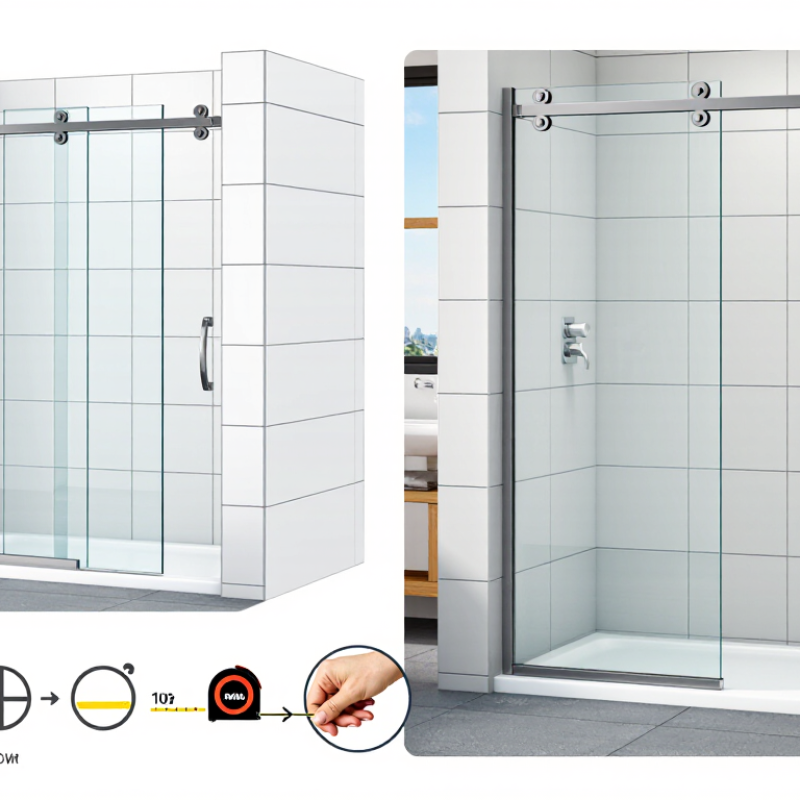
A sliding shower door uses rollers to move one glass panel past another, saving the swing space a hinged door needs. In daily use, that means less conflict with a vanity, towel bar, or narrow walkway. The best choice in 2026 is not simply the thickest glass. Look for smooth, adjustable rollers, a rigid track, secure handles, and replaceable seals. Check that the opening is wide enough for comfortable entry and that the panels lift out for cleaning. Small details matter.
Houzz’s 2024 U.S. Bathroom Trends Study reported that 84% of homeowners renovating a primary bathroom upgraded the shower. That signals strong interest in shower improvements, but it does not prove every home needs a sliding door. Quality also depends on installation: the track must be level, wall anchors must suit the wall, and glass edges should not strike tile. Safety glazing standards such as ANSI Z97.1 provide a useful benchmark for impact performance. I still think buyers sometimes overvalue a sleek finish. A beautiful track that traps grime is a poor trade.
Tips: Run the door through its full travel before buying, if possible. Listen for scraping. Ask how seals and rollers are replaced, and measure the entry opening—not just the wall-to-wall width.
Which Is the Best Sliding Shower Door in 2026? How Sliding Shower Doors Work and What Defines Quality
There is no single best configuration for every bathroom. The comparisons below describe common design options and typical specifications; actual dimensions and hardware vary by product. Confirm the finished opening and installation requirements before purchasing.
| Door type | Typical opening | Common glass specification | How it works | Main advantages | Trade-offs | Quality checks | Best suited to |
|---|---|---|---|---|---|---|---|
| Framed bypass slider | Often used for alcove openings around 48–60 in wide; measure the actual finished opening. | Commonly 1/4 in (6 mm) tempered safety glass, held within metal framing. | Two glass panels overlap and slide past one another on upper and lower tracks. A guide helps keep the panels aligned. | Usually offers substantial perimeter support and a familiar, space-saving layout. Framing can help contain splashes. | Tracks and frame corners need regular cleaning. The overlapping panels leave a narrower entry than the full opening. | Look for smooth panel movement, secure handles, aligned tracks, replaceable seals, and tempered-glass safety documentation. | Budget-conscious renovations and bathrooms where a sturdy, conventional enclosure is preferred. |
| Semi-frameless bypass slider | Commonly available for alcove openings in the approximate 48–60 in range; model dimensions differ. | Often 1/4 in (6 mm) tempered glass, with selected edges supported by metal framing. | Overlapping panels travel on a track, while the frame supports key edges and the remaining glass areas appear more exposed. | Balances a more open appearance with some perimeter support; usually preserves the compact footprint of a sliding door. | Still has tracks and overlapping panels to clean. Frame layout and adjustment options vary by design. | Check that the rollers are adjustable, the track is rigid, panel edges are protected, and seals contact the sill evenly. | Bathrooms seeking a lighter visual style without choosing a fully frameless enclosure. |
| Frameless bypass slider | Frequently designed for openings around 56–60 in or wider, though available sizes vary. | Often 3/8 in (10 mm) tempered safety glass; some designs use thinner glass. Verify the specification. | Heavy glass panels hang from or run on engineered rollers and move along a top rail or track; bottom guides limit sway. | Creates a clean, open look and uses sliding panels without requiring swing clearance outside the shower. | Heavier panels place greater demands on the roller system and installation. Water control depends on the enclosure design and seals. | Assess roller capacity, anti-derail features, stable anchoring, smooth travel, corrosion-resistant hardware, and accurately fitted seals. | Bathrooms prioritizing an open appearance and able to support careful installation and hardware maintenance. |
| Corner or neo-angle sliding enclosure | Built for corner layouts; dimensions and entry width are specific to the shower base and enclosure. | Typically tempered safety glass; thickness depends on whether the panels are framed, semi-frameless, or frameless. | One or more panels slide along tracks around a corner-shaped enclosure, creating an entry without a hinged door swing. | Can make use of a corner footprint and avoid door-swing conflicts with nearby fixtures. | Requires careful matching to the shower base and wall geometry. More joints and track sections can add cleaning work. | Confirm the enclosure shape, plumb walls, base compatibility, panel overlap, entry clearance, and complete sealing instructions. | Corner showers or bathrooms where a standard alcove slider will not fit. |
| Quality feature checklist | Measure width at several heights and check that walls are plumb; use the manufacturer’s measuring instructions. | Tempered safety glass is standard for shower doors in many markets. Check applicable local requirements and product documentation. | Rollers carry and guide the moving panels; tracks or rails define the path; guides and seals help control movement and water escape. | Good fit, dependable movement, suitable hardware, and available replacement seals can improve everyday use and serviceability. | Glass thickness alone does not establish overall quality. Installation, hardware design, adjustment, and maintenance also matter. | Prioritize documented safety glazing, smooth and secure rollers, anti-lift or anti-derail protection where provided, corrosion-resistant components, clear installation instructions, and accessible replacement parts. | Use this checklist to compare products across styles rather than relying on appearance or one specification alone. |