
Request A Quote

Phone: 416-244-6476
Email:

    Why Are Diaper Bags Essential for Parents?

    A diaper bag is more than a roomy tote. It is a mobile base for the small tasks that shape a day with a baby. Inside, diapers sit beside wipes, a spare onesie, a bottle, and the snack that suddenly matters. When everything has a place, parents can find essentials without emptying the bag onto a café table. That helps. Especially during a rushed change.

    Sarah Wells, founder of Sarah Wells Bags, is a relevant voice in the baby-bag industry. No verified direct quotation from her was provided for this introduction, so the following is a paraphrased design principle, not her exact words: “Keep everyday essentials organized and easy to reach.” It captures a practical goal. A useful bag should support real routines, not simply look polished in a product photo.

    The right Diaper Bag depends on the family using it. Some parents need insulated pockets for bottles; others value a wipe-clean lining, stroller straps, or space for a laptop. A bag that works for one outing may feel awkward on a crowded bus. And no pocket system can prevent every spill. Parents still need to check supplies and adjust as their routines change. That part is easy to overlook.

    This guide explores why diaper bags matter, which features make daily care easier, and how to choose a design that fits your needs. The aim is practical, not perfect: fewer frantic searches, and more room to focus on the baby in your arms.
    Why Are Diaper Bags Essential for Parents?

    What a Diaper Bag Is and How It Is Designed

    Why Are Diaper Bags Essential for Parents?

    What a Diaper Bag Is and How It Is Designed

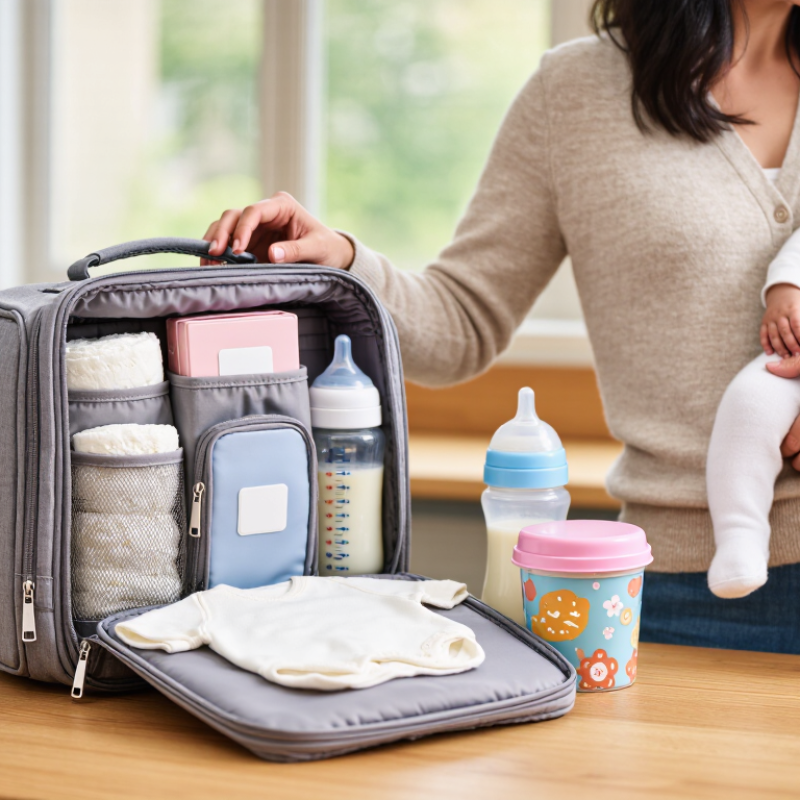
    A diaper bag is a portable organizer for the small essentials involved in caring for a baby away from home. It usually holds diapers, wipes, spare clothes, feeding supplies, and a changing mat. The purpose is simple: keep useful items together and make them easier to reach. Small details matter.

    Design varies, but many bags combine a roomy main compartment with smaller pockets. A wipe pocket may allow quick access, while insulated sections can help keep bottles at a steadier temperature for a limited time. A changing mat provides a cleaner surface when one is available, though it still needs regular cleaning. Check the care instructions.

    Comfort is part of the design, too. Padded shoulder straps, a wide opening, and sturdy zippers can make a loaded bag easier to handle. Some caregivers prefer backpack straps when carrying a baby as well. The “best” layout depends on what a family actually uses, not on how many pockets a bag has.

    Even a thoughtfully packed bag can get messy after a long outing. I still think the ideal pocket arrangement is a little hard to find. A practical design makes room for a few essentials without encouraging parents to carry everything. After each trip, removing used items and replacing them can help the bag stay ready.

    Essential Items Parents Carry for Infant Care

    A diaper bag keeps everyday infant-care items together when a quick errand turns into a longer outing. Pack more diapers than you expect to use, plus wipes and a foldable changing pad. A small tube of diaper cream may help, if it is already part of your baby’s care routine. Keep a spare outfit in a sealed pouch; leaks and spit-up rarely happen at convenient times. They just happen.

    Feeding needs depend on your baby’s age and routine. Bring a burp cloth, bib, and the supplies you normally use for feeding, stored cleanly and kept separate from used items. A light blanket can offer shade or a clean surface, but it should not cover a baby’s face or block airflow. Add a pacifier if your child uses one, and keep any medicine in its original packaging with instructions from your healthcare professional. Check the bag before leaving. Refill wipes and diapers after each outing, not the next morning. I still forget sometimes. A simple checklist near the door can help, though no bag can predict every messy surprise.

    Why Are Diaper Bags Essential for Parents? — Essential Items Parents Carry for Infant Care
    Essential Item How It Helps Suggested Amount for a 2–3 Hour Outing Practical Packing Note
    Diapers Provide a clean option when an infant needs changing away from home. About 2–4 Pack according to your baby’s usual changing frequency, and add extras for delays.
    Baby wipes Help clean during diaper changes and can be useful for small messes. One travel pack Choose a securely sealed pack to help prevent the wipes from drying out.
    Portable changing pad Creates a cleanable surface for diaper changes in places without a suitable changing station. 1 Fold it after use and keep it separate from clean clothes.
    Change of clothes Gives parents a backup if clothing gets wet, soiled, or covered in spit-up. 1 outfit Include weather-appropriate layers; bring an extra outfit if your baby often needs one.
    Feeding supplies Make it easier to feed the baby when the outing overlaps with a usual feeding time. As needed Pack supplies appropriate to your feeding method and follow safe food-handling guidance.
    Burp cloth Helps protect clothing and surfaces during or after feeding. 1–2 Keep a clean cloth accessible and store used ones separately.
    Pacifier, if used Provides a familiar soothing item for babies who use one. 1, plus a spare if needed Use a clean storage case when it is not in use.
    Bag for soiled items Keeps damp or soiled clothing separate from clean items in the bag. 1–2 A washable wet bag or a sealable bag can be useful; empty it promptly after returning home.
    Hand sanitizer for the caregiver Offers a hand-cleaning option when soap and water are not immediately available. 1 small bottle Store securely and use according to the product directions; keep it out of a child’s reach.

    How Diaper Bags Support Feeding, Changing, and Comfort

    A diaper bag turns a rushed outing into a more manageable routine. Keep feeding supplies together: a clean bottle, measured formula or expressed milk, a bib, and a burp cloth. For nursing parents, a water bottle and spare top may be more useful than extra gear. Small things matter. Put frequently used items near the top, so you can find them while holding a hungry baby.

    Changing is easier when diapers, wipes, and a foldable changing mat sit in one easy-to-reach pouch. Add a spare outfit and a sealable bag for damp clothes. A separate pocket helps keep clean items away from used ones. For comfort, pack a familiar blanket or pacifier, if your child uses one. These simple details can help during a delayed bus ride or a long wait at an appointment. Still, a fuller bag is not always a better bag. I have found that carrying too many “just in case” items can make essentials harder to reach. Choose supplies for the outing, check them before leaving, and adjust as your child’s needs change.

    Features That Make Diaper Bags Practical for Parents

    A practical diaper bag keeps everyday essentials within reach without turning an outing into a search. Wide openings make it easier to find wipes beneath a spare shirt. Several pockets can separate clean clothes, snacks, and used items. Small details matter. A key clip or outer pocket also helps keep personal items accessible while carrying a child.

    Comfort matters when the bag is full. Padded shoulder straps spread weight more evenly, while adjustable straps help the bag sit securely. A wipe-clean lining can handle a leaking bottle or damp change of clothes. A changing pad offers a cleaner surface when a suitable table is unavailable. It should fold away easily, not take over the whole bag. Not perfectly, though.

    Useful features depend on a family’s routine. Insulated bottle pockets may help on longer trips, while a lightweight design can suit quick errands. Stroller straps are convenient, but they should not make the bag awkward to carry. A diaper bag cannot prevent every spill or forgotten item. It can, however, make supplies easier to organize and retrieve, especially when one hand is busy soothing a restless baby.

    Choosing a Diaper Bag for Different Needs and Outings

    A diaper bag is most useful when it suits the parent’s daily routine, not just a long checklist of features. For short errands, a lightweight bag with room for two diapers, wipes, a spare outfit, and a bottle may be enough. For a full day out, look for wider compartments and a changing mat that folds flat. Check whether you can reach wipes with one hand while holding your baby. Small details matter.

    Think about where you go. A stroller-friendly bag needs secure straps and should not swing into the wheels. For public transit, a compact shape and comfortable shoulder straps can make crowded trips easier. If you drive often, separate pockets help keep snacks away from used clothes. Water-resistant fabric is practical after spills, though it does not make a bag completely spillproof. I have found that too many pockets can slow packing down; a simple layout may work better.

    Tips: Pack for your usual outing, then add one spare diaper and outfit. Test the bag while loaded before buying. Check that the zippers open smoothly, and keep wipes in an easy-to-reach pocket.

    Why Are Diaper Bags Essential for Parents?

    A well-organized diaper bag keeps changing, feeding, and comfort essentials within reach. Choose its capacity based on the length of your outing.

    How to read this: These are illustrative counts of item types in a practical packing checklist—not survey results. Longer outings typically call for more supplies, such as extra diapers, clothing, feeding items, and comfort essentials.