
2026 Best PVC Water Pipe Types for Buyers
Choosing a pvc water pipe in 2026 means matching the pipe to the water, pressure, installation method, and service conditions. A product suited to a buried municipal main may not fit an indoor supply line or irrigation system. Small details matter. Buyers should compare PVC-U pressure pipe, oriented PVC, and other PVC formulations by their rated use, joint design, dimensions, and installation requirements—not by material name alone.
The scale of water infrastructure investment makes careful selection especially relevant. The U.S. Environmental Protection Agency’s 2023 Drinking Water Infrastructure Needs Survey and Assessment estimates $625 billion in drinking-water infrastructure needs over 20 years. This figure covers more than pipes, so it should not be read as a PVC-pipe market estimate. AWWA’s 2024 State of the Water Industry report also provides useful context on utility priorities and infrastructure challenges. Together, these reports show why buyers need dependable specifications and realistic lifecycle planning. Not every pipe fits.
This guide compares common PVC water-pipe types and explains where each may be appropriate. It considers pressure ratings, potable-water suitability, connection methods, handling, and installation conditions. Standards and certifications vary by product and market, so verify the manufacturer’s documentation against the project specification. A label alone is not enough. A practical choice balances performance, compatibility, availability, and total installed cost—and acknowledges that site conditions can change the best answer.
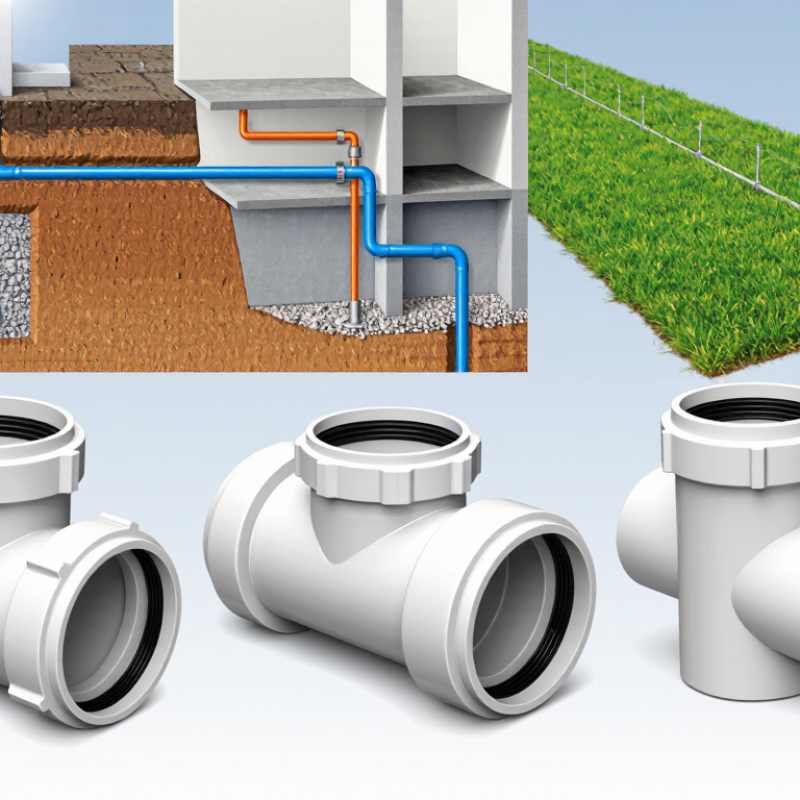
PVC Water Pipe Basics: Materials, Construction, and Typical Uses
PVC water pipe is made from polyvinyl chloride, a material valued for its low weight, corrosion resistance, and smooth interior. Most rigid water pipes are PVC-U, or unplasticized PVC. It is commonly used for cold-water pressure lines and outdoor distribution. CPVC has additional chlorine in its structure and can handle higher temperatures, but temperature limits depend on the pipe and system. PVC-O is stretched during manufacture, changing its structure and improving strength for some pressure applications.
Manufacturers typically form pipe by extrusion, then cut it to length and shape or finish its ends. Connections may use solvent cement or gasketed fittings, depending on pipe design and installation conditions. A smooth bore can help maintain flow, while the right wall thickness and pressure rating matter under changing loads. Details matter. A clean-looking pipe can still be unsuitable for the intended water temperature or pressure.
Typical uses include household cold-water supply, irrigation, and buried water-distribution lines. Not every PVC product is approved for drinking-water contact, so buyers should check the product documentation and applicable local requirements. Installation also matters: poor alignment, dirty joints, or inadequate support can cause leaks. This choice is easy to underestimate, especially when several pipe types look alike on a shelf.
2026 Best PVC Water Pipe Types for Buyers - PVC Water Pipe Basics: Materials, Construction, and Typical Uses
Compare pipe types by construction and intended service. Confirm applicable standards, local plumbing codes, potable-water approvals, and pressure ratings for the exact pipe size and operating temperature before buying.
| Pipe type | Material and construction | Typical uses | Buyer considerations |
|---|---|---|---|
| Schedule 40 PVC | Rigid, unplasticized PVC (PVC-U) pipe with a wall thickness defined by Schedule 40 dimensions. | Cold-water pressure lines, irrigation, and general-purpose plumbing where permitted by code. | Pressure capacity depends on diameter, temperature, and product specification. Check that the product is approved for the intended water service. |
| Schedule 80 PVC | Rigid PVC pressure pipe with thicker walls than Schedule 40 at the same nominal size, leaving a smaller inside diameter. | Pressure piping in industrial, irrigation, and other compatible cold-water systems. | Often selected where a thicker wall is needed. Verify pressure ratings, fitting compatibility, and any potable-water certification requirements. |
| SDR PVC pressure pipe | PVC pressure pipe specified by a standard dimension ratio (SDR), the ratio of average outside diameter to minimum wall thickness. | Buried water services, irrigation mains, and other pressure applications specified for the relevant pipe standard. | Lower SDR generally means a thicker wall. Confirm the standard, SDR, pressure class, joining method, and local approval for the application. |
| AWWA C900 PVC pipe | PVC pressure pipe made to a water-utility standard, commonly supplied in dimension-ratio-based pressure classes and with gasketed joints. | Municipal drinking-water distribution and related underground water infrastructure. | Check the specified edition, diameter, pressure class, joint type, and applicable potable-water approvals. Installation requirements vary by project. |
| PVC-O pipe | Molecularly oriented PVC pressure pipe; the manufacturing process orients the material to improve strength characteristics compared with conventional PVC-U pipe. | Water distribution and other pressure-network applications when the pipe and system are specified for them. | Confirm the governing product standard, pressure class, fittings, joint compatibility, and installation guidance for the chosen system. |
| PVC DWV pipe | PVC pipe and fittings designed for drain, waste, and vent service rather than pressurized water delivery. | Building drainage, waste, and vent systems where approved by local plumbing code. | Do not use DWV pipe for pressurized water unless its product standard and the applicable code specifically permit that use. |
Note: PVC is generally used for cold-water service. Hot-water suitability is not implied; CPVC is a different material with separate product specifications and approvals.
Related Posts
-

China Top PVC Pipe Manufacturers for Global Buyers
-
How to Choose the Right Plastic Pipe for Your Project?
-
10 Essential Tips for Working with PVC Pipework
-
Exploring the Latest Innovations in Pipe Supplies: What You Need to Know for Your Projects
-
How to Choose the Right Water Pump for Your Needs?
-
Why Are PVC Tubes Popular with Global Buyers?