Why Are PVC Tubes Popular with Global Buyers?
Across construction, irrigation, medical packaging, and industrial supply chains, pvc tubes remain a practical choice. Their popularity comes from a balance of low weight, stable dimensions, smooth inner walls, and predictable production costs. A 25-millimeter tube can move water efficiently while remaining easy to cut, join, and transport. These details matter when buyers manage thousands of units across different markets.
Dr. Patrick Moore, a recognized PVC industry advocate, has said, “PVC is the most versatile of all plastics.” That versatility helps explain its global demand. However, versatility is not the same as universal suitability. Buyers still need to check pressure ratings, wall thickness, temperature limits, chemical resistance, and manufacturing consistency. A tube that performs well in a garden system may fail in a high-temperature industrial setting. That difference is easy to overlook.
Reliable suppliers also provide test reports, dimensional data, traceability, and clear information about additives. Certifications can support purchasing decisions, but they should not replace independent evaluation. Standards vary by application and destination market. Some buyers may also question PVC’s environmental impact, especially when disposal systems are weak. That concern deserves a direct answer, not polished marketing language.
This article examines why pvc tubes continue to attract international buyers. It considers their real advantages, practical limitations, and changing expectations. The conclusion may be less convenient than expected: cost matters, but trust, evidence, and correct product selection matter more.
What Are PVC Tubes and How Are They Made?
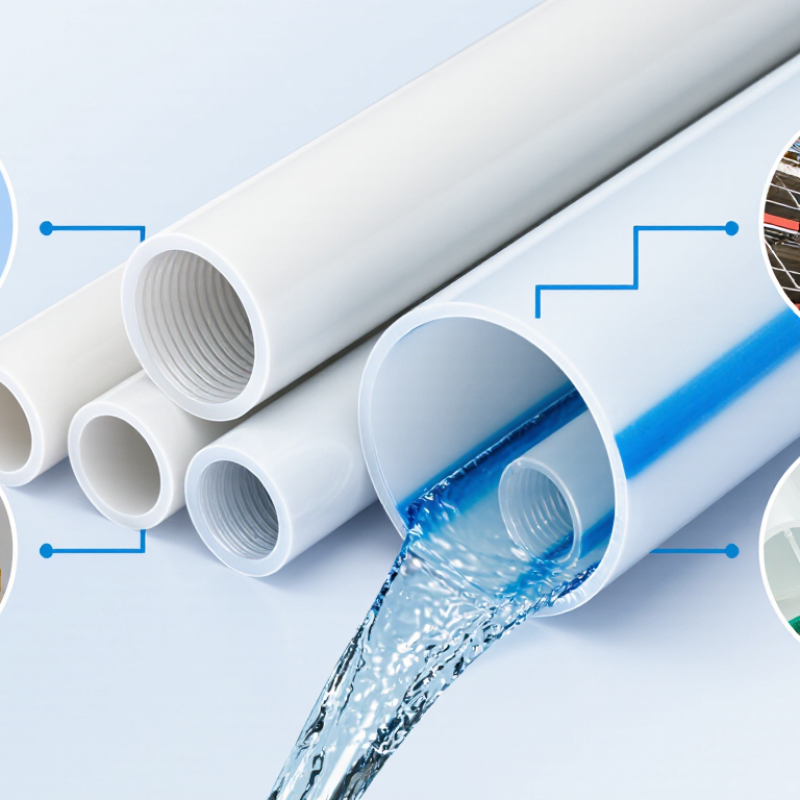
PVC tubes are hollow profiles made from polyvinyl chloride, a thermoplastic polymer valued for its low weight, corrosion resistance, and stable dimensions. They are used for water drainage, electrical protection, irrigation, and industrial conveying. PlasticsEurope reported that PVC represented about 9.6% of European plastics demand in 2022. That share reflects broad use, not automatic quality.
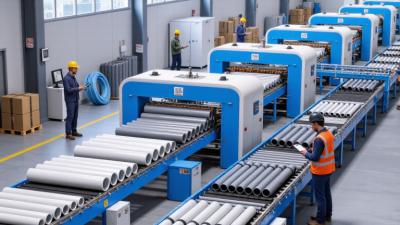
Manufacturing starts with vinyl chloride monomer. Through suspension polymerization, manufacturers create fine PVC resin powder. The powder is blended with heat stabilizers, lubricants, impact modifiers, and pigments. The mixture then enters an extruder, where controlled heat and rotating screws form a uniform melt. A shaped die creates the tube profile. Vacuum calibration fixes the diameter, while cooling tanks harden the surface. A haul-off unit pulls the tube forward, and a cutter produces precise lengths.
Small details matter. In workshop inspections, I check wall thickness near both ends. Uneven cooling can create oval sections or internal stress. A glossy surface may look convincing, but it does not prove consistent performance. This is an easy mistake. ISO 161-1 provides reference dimensions for thermoplastics pipes, while ISO 3126 covers dimensional measurement. Still, testing should match the intended service. A drainage tube and a pressure tube may share similar colors, yet require very different designs. The PlasticsEurope 2023 data also reminds buyers that material volume is significant; responsible selection should consider formulation, service life, and end-of-life handling.
Why Are PVC Tubes Popular with Global Buyers?
PVC tubes are hollow profiles made by heating and extruding polyvinyl chloride resin, usually blended with stabilizers, lubricants, pigments, and impact modifiers. Their low water absorption, corrosion resistance, smooth internal surface, and efficient production make them suitable for water, drainage, electrical protection, and industrial applications.
The chart shows representative temperature ranges used during rigid PVC tube extrusion. The PVC compound is heated until it becomes processable, shaped through a die, and then cooled and calibrated to achieve the required diameter and wall thickness. Actual settings vary according to formulation, tube size, equipment, and production speed.
Which Properties Make PVC Tubes Practical?
Why Are PVC Tubes Popular with Global Buyers?
Which Properties Make PVC Tubes Practical?
PVC tubes are popular because they combine low weight with dependable everyday performance. During site inspections, I have seen workers carry long sections without lifting equipment. This reduces handling time and lowers installation effort. Their smooth inner walls also support steady fluid movement and reduce areas where residue can collect.
PVC resists moisture, many mild chemicals, and corrosion better than ordinary metal tubing. That matters in irrigation, drainage, and indoor utility systems. A tube can remain clean after repeated contact with water. It also provides useful electrical insulation in suitable applications. Cutting and joining are relatively simple with approved tools and fittings. No specialized workshop is always necessary.
PVC is not perfect. High temperatures can weaken it, and strong sunlight may affect some formulations over time. Impact resistance also depends on wall thickness and operating conditions. I have seen failures caused by poor support, not poor material. Engineers should check pressure ratings, temperature limits, UV exposure, and local installation standards before selection. A thinner tube may appear economical, but replacement work can cost more later. Small details matter.
Where Are PVC Tubes Commonly Used?
Why Are PVC Tubes Popular with Global Buyers?
PVC tubes are common in residential plumbing, commercial buildings, farms, and light industrial systems. Their smooth inner walls help water flow with less friction and reduce deposits over time. Installers often choose them for cold-water lines, drainage pipes, and irrigation networks. They are also used as protective conduits for electrical cables. In a typical farm, PVC tubes may carry water from a storage tank to narrow drip lines. In a building, larger sections can move wastewater toward the drainage system.
Their low weight makes cutting and transportation easier than many metal alternatives. PVC also resists corrosion, moisture, and several everyday chemicals. However, it is not perfect. Direct sunlight can weaken some unprotected tubes, while very high temperatures may reduce performance. Selecting the correct pressure class, diameter, wall thickness, and connection method is essential. Experienced buyers should review technical data and local installation requirements before placing large orders. A small mismatch can cause leaks, wasted labor, or early replacement.
Tips: Check the tube’s pressure rating and temperature range. Store sections on a flat surface, away from sharp edges and intense sunlight. For underground use, inspect the soil conditions and provide proper support. These simple steps are easy to overlook. Yet they often determine whether a PVC system remains reliable for years.
Why Are PVC Tubes Popular with Global Buyers? - Where Are PVC Tubes Commonly Used?
| Common Application | Typical PVC Tube or Pipe Form | Why Buyers Commonly Select PVC | Key Performance Characteristics | Important Purchasing Considerations |
|---|---|---|---|---|
| Potable water distribution | Pressure-rated rigid PVC pipe with solvent-welded, threaded, or gasketed joints | Light weight, corrosion resistance, smooth internal surface, and relatively simple installation | Low friction compared with many rougher pipe materials; resistant to many common salts and chemicals | Confirm local drinking-water approval, pressure class, joint system, UV exposure, and temperature limits |
| Building drainage and sewerage | Non-pressure solid-wall or structured-wall PVC drainage pipe and fittings | Does not rust, has a smooth bore, and can be joined with common drainage connection methods | Suitable for gravity flow when correctly graded; relatively low maintenance in buried applications | Check ring stiffness, wall structure, burial depth, soil loading, and applicable drainage standards |
| Electrical and communications protection | Rigid or flexible PVC conduit and protective tubing | Electrical insulation, low weight, easy cutting, and protection against moisture and mechanical contact | Non-conductive material with useful resistance to moisture and many non-oxidizing chemicals | Verify flame performance, impact rating, bend radius, burial suitability, and electrical code compliance |
| Agricultural irrigation | Pressure pipe, risers, manifold tubing, and fittings for surface or buried irrigation systems | Lightweight handling, corrosion resistance, and compatibility with many standard irrigation fittings | Smooth flow path and resistance to soil corrosion; performance depends on pressure rating and installation quality | Consider operating pressure, water quality, sunlight exposure, thermal movement, and impact during farm operations |
| Industrial process lines | Rigid PVC process piping, valves, and chemical-transfer tubing | Competitive lifecycle cost and resistance to selected acids, alkalis, and aqueous chemicals | Smooth surface and good electrical insulation; chemical compatibility varies by concentration and temperature | Check a chemical-resistance chart, maximum service temperature, pressure derating, and joint compatibility |
| Ventilation and low-pressure air movement | PVC ducting, ventilation tubes, and low-pressure air channels | Smooth inner walls, low weight, and resistance to moisture in suitable environments | Can reduce surface buildup compared with rougher materials; not intended for every high-temperature application | Review temperature, fire and smoke requirements, static control needs, support spacing, and local building codes |
| Geothermal and underground utility protection | Buried conduit, casing, and selected pressure or non-pressure PVC pipe systems | Resistance to ground corrosion, manageable transport weight, and long service potential when properly installed | Good resistance to many soil environments; flexible behavior and load capacity depend on pipe design and bedding | Evaluate soil conditions, groundwater, external loading, trench design, joint sealing, and installation standards |
| Pool and water-treatment systems | Pressure-rated PVC circulation pipe, fittings, and tubing | Corrosion resistance in many treated-water environments and straightforward assembly | Smooth bore supports efficient circulation; chemical and temperature limits must be observed | Confirm compatibility with disinfectants and treatment chemicals, pressure rating, joint cure time, and local regulations |
Note: Actual suitability depends on the PVC formulation, pressure class, temperature, chemical exposure, installation method, and applicable national or regional standards.
Why Do Global Buyers Prefer PVC Tubes?
Global buyers prefer PVC tubes because they combine practical performance with predictable costs. A tube can be cut, coiled, and packed efficiently. This reduces storage space and freight complexity. PVC also resists moisture, corrosion, and many common chemicals. These features support applications in irrigation, construction, fluid handling, and light industrial equipment.
According to Grand View Research’s 2024 PVC pipes market report, the global market was valued at approximately USD 58.7 billion in 2023. The report forecasts continued growth through 2030, supported by infrastructure development and replacement demand. This data covers pipes broadly, but it reflects the wider purchasing confidence surrounding PVC products. Buyers also value the material’s lower weight compared with many metal alternatives. Installation becomes easier. Labor costs may fall.
In practical purchasing, consistency matters more than attractive samples. Buyers inspect wall thickness, inner diameter, flexibility, and surface quality. International specifications, including ISO-based testing methods, help compare products across suppliers. Yet PVC is not perfect. Poor formulation, excessive heat, or sharp bending can shorten service life.
Some buyers still focus too heavily on price. That can create leakage, returns, and unnecessary waste. A reliable evaluation should include pressure testing, temperature limits, packaging quality, and documented quality control.
What Factors Should Buyers Consider Before Purchasing?
PVC tubes remain popular with global buyers because they are lightweight, corrosion-resistant, and relatively easy to install. Their smooth inner surface can support efficient fluid movement and simpler cleaning. However, popularity should not replace careful evaluation.
Before purchasing, check the tube’s outer diameter, wall thickness, pressure rating, and temperature range. These details must match the intended application. A tube designed for low-pressure drainage may fail in pressurized water systems. Also review chemical compatibility, UV resistance, and flexibility. Material quality can vary between production batches, even when the appearance looks identical. Request technical data, test reports, and clear information about the formulation. Reliable suppliers should explain production controls and provide traceable documentation.
Tips: Ask for samples before placing a large order. Measure the sample with suitable tools, inspect the surface for cracks, and test connections with the fittings you will actually use. Confirm packing methods, shipment protection, and delivery tolerances. A low price may appear attractive, but inconsistent dimensions can create costly installation delays. I have seen buyers focus on unit cost and overlook storage conditions. That choice can become expensive. Keep tubes away from sharp edges, excessive heat, and prolonged sunlight during transport and storage. Also check whether the supplier can maintain stable specifications across repeat orders. A small trial order may reveal more than a polished catalogue.
Related Posts
-
Top PVC Tubes Manufacturers for Global Buyers
-
Top Pipe Supplies in China for Global Buyers Guide?
-
Best Water Well Supplies for Your Needs?
-
Essential Well Pump Supplies: Maximizing Efficiency and Longevity for Your Water System
-
2026 Top PVC Well Pipe Trends That Global Buyers Need to Know?
-
10 Essential Tips for Choosing a Well Water Pump for Your Home