2026 Top Well Supplies Manufacturers for Global Buyers
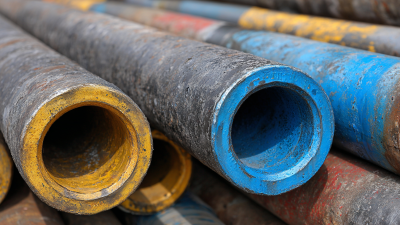
Choosing reliable well supplies in 2026 requires more than comparing catalog prices. Global buyers must examine material quality, production consistency, testing records, and after-sales support. A well casing may look identical in photographs, yet its steel grade, thread accuracy, and corrosion resistance can differ significantly. Pumps, screens, valves, seals, and monitoring equipment also demand careful technical review.
This guide introduces leading well supplies manufacturers serving international markets. It considers manufacturing capacity, quality-control procedures, export experience, product customization, and documentation. Factory audits, sample testing, and customer references can reveal details that brochures often omit. That matters in remote projects, where a failed component may delay drilling and increase transport costs.
Performance matters most.
Experienced manufacturers usually explain pressure ratings, installation limits, maintenance needs, and applicable industry standards clearly. Reliable suppliers also provide traceable batches, inspection reports, and practical technical support across time zones. Certifications are useful, but they should not replace independent verification or field evidence. No list can replace a site visit.
The ranking may not fit every project. A municipal water well, geothermal system, and agricultural installation require different specifications. Buyers should compare actual operating conditions, local regulations, groundwater chemistry, and lifecycle costs before placing an order. Some manufacturers offer attractive prices but limited documentation. Others charge more because they provide testing, engineering assistance, and stable replacement parts.
This article offers a practical starting point, not a final verdict. Product availability, supplier performance, and trade conditions can change during 2026. Careful review remains essential.
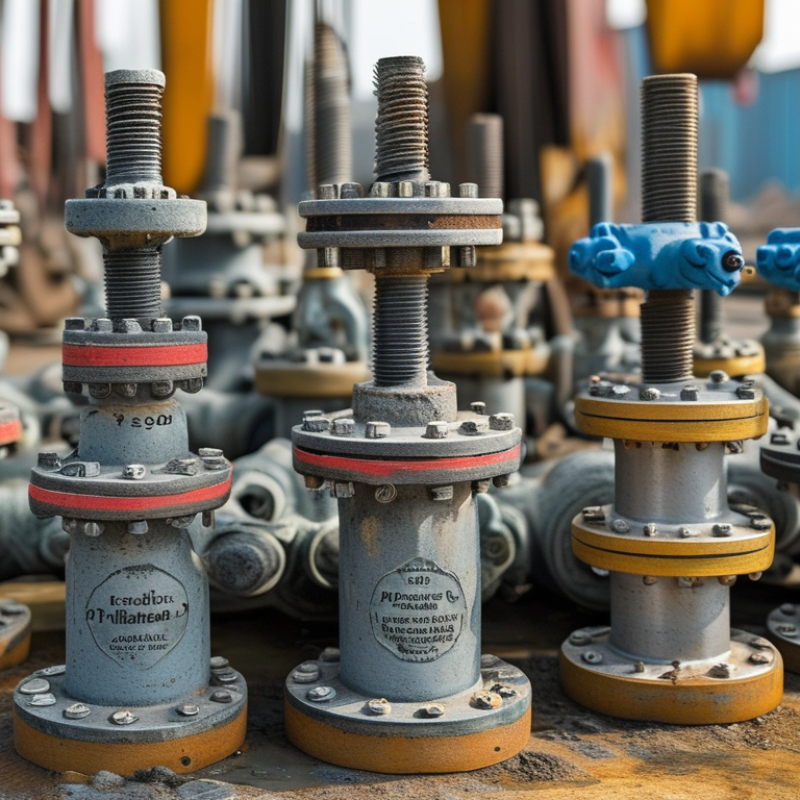
Well Supplies Categories: Wellheads, Christmas Trees, Tubing, and Packers
2026 Top Well Supplies Manufacturers for Global Buyers
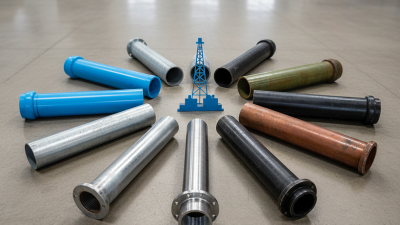
Global buyers now assess well supplies by verified performance, not attractive catalogs. The main categories are wellheads, Christmas trees, tubing, and packers. Each component must match pressure ratings, temperature limits, fluid chemistry, and installation conditions. A technically strong manufacturer should provide traceable materials, dimensional records, inspection reports, and clear quality procedures. These documents support safer procurement and more consistent field decisions.
Wellheads
anchor and seal the casing strings at the surface. Buyers should check load capacity, connection type, seal design, and maintenance access.
Christmas trees
control production flow through valves, chokes, and pressure-monitoring points. Their layout must support safe operation and practical intervention.
Tubing
carries produced fluids, so grade selection depends on corrosion exposure, mechanical loads, and expected flow conditions.
Packers
isolate zones inside the well. Set depth, temperature, differential pressure, and retrieval needs deserve close review. Small mismatches can create expensive delays.
Supplier comparison is rarely perfect. A manufacturer may offer excellent machining but weak technical support in the buyer’s region. Another may provide fast delivery with less flexible customization. Independent inspection, sample review, and factory communication can reveal these gaps. Buyers should also confirm testing standards, spare-part availability, and service response times before issuing large orders. Price matters, but an unverified low bid can hide engineering compromises. Field conditions change, and specifications sometimes need revision. That uncomfortable detail should remain part of the purchasing discussion.
API 6A Pressure Classes: Comparing 2,000–20,000 psi Wellhead Equipment
API 6A pressure classes define the maximum working pressure of wellhead equipment. The range runs from 2,000 to 20,000 psi. API Specification 6A, 21st Edition, also requires pressure-containing equipment to match temperature ratings, material classes, and product specifications. Pressure class alone is not enough.
A 2,000 psi wellhead may suit lower-pressure land wells and mature fields. A 5,000 psi system offers greater operating margin for deeper completions. At 10,000 and 15,000 psi, buyers should examine seal performance, flange integrity, bolting, and fatigue resistance. The 20,000 psi class demands disciplined design verification and strict installation control. Small sealing defects become serious at this level.
The IOGP Well Control Incident Statistics report shows why pressure-control discipline remains important across drilling operations. Field engineers should verify rated working pressure, not confuse it with burst pressure. Temperature can reduce practical performance. That detail is often missed. Procurement teams should review API 6A PSL, PR, material class, and test records together. A higher rating is not automatically safer. It can add weight, cost, and maintenance demands without improving a poorly designed installation. Practical selection still depends on reservoir pressure, well depth, sour-service exposure, and the operator’s inspection capability.
API 6A Pressure Classes for Wellhead Equipment
API Specification 6A defines nominal rated working pressure classes of 2,000, 3,000, 5,000, 10,000, 15,000, and 20,000 psi. The chart compares these standardized pressure ratings; it does not represent manufacturer-specific performance or market share.
Manufacturer Ranking Criteria: API Q1, ISO 9001, and Product Traceability
For 2026, global buyers should rank well supplies manufacturers by verified process control, not catalogue size.
API Spec Q1 certification deserves the highest weighting because it addresses manufacturing quality, risk management, supplier control, and corrective actions. A certificate alone is insufficient. Buyers should check its scope, expiry date, audit history, and production site.
ISO 9001 provides a broader quality framework.
The ISO Survey 2023 reports more than one million ISO 9001 certificates worldwide, showing its widespread adoption. However, popularity does not equal technical capability. A stronger ranking reviews inspection plans, calibration records, nonconformance handling, and evidence from comparable well-service projects. Practical experience matters here. Ask for sample records.
Product traceability should carry equal attention.
Each valve, fitting, or completion component should connect to a heat number, batch record, material certificate, inspection result, and final release document. Digital records reduce searching time, but incomplete entries still create risk. The IEA’s Oil 2024 report projects global oil demand at 105.4 million barrels per day by 2030, keeping supply-chain reliability under pressure.
Procurement teams may consider a scoring model: 40% API Q1 controls, 30% ISO 9001 performance, and 30% traceability depth.
No scorecard is flawless. Audits can miss weak shop-floor habits, especially during urgent production. A site visit, witnessed inspection, and random document check can expose those gaps.
Global Buyer Scorecard: Total Cost, Lead Time, Compliance, and Risk
A serious well supplies scorecard starts with total cost, not unit price.
Include tooling, freight, inspection, installation support, spare parts, and failure exposure. The World Bank’s Logistics Performance Index 2023 shows wide gaps in customs, infrastructure, and delivery reliability across markets.
A low quote can become expensive at the port.
Lead time needs evidence.
Ask for production capacity, historical on-time delivery, safety-stock policy, and a shipment plan with named milestones. Maritime transport carries over 80% of global merchandise trade, according to UNCTAD’s Review of Maritime Transport 2024. Congestion still creates unpleasant surprises.
I have seen buyers compare a seven-day promise with a seven-week reality.
Compliance checks should cover material certificates, pressure ratings, traceability, product testing, and destination-country requirements. OECD trade facilitation research indicates that stronger implementation could reduce trade costs by about 12.5% on average. That figure is useful, but it is not a guarantee for every project.
Tips:
Score each supplier from 1 to 5 for landed cost, lead time, compliance evidence, and continuity risk.
Require recent test records, two customer references, and a written corrective-action process.
Do not reward perfect paperwork alone. Verify it.
A supplier may be excellent technically but weak during a raw-material shortage.
Add a second approved source where downtime would threaten water access, construction schedules, or operating budgets.ೇಟ