China Best PVC Tubes Supplier for Global Buyers
Choosing a China-based supplier for pvc tubes involves more than comparing unit prices. Buyers need products that match their application, equipment, and delivery schedule. A tube used for drainage may require different dimensions and performance than one used for cable protection or fluid transfer. Details matter. Wall thickness, outer diameter, flexibility, color, and packaging can all affect a project.
A reliable supplier should explain available materials and production options clearly. Ask for drawings, product specifications, sample pieces, and inspection records before confirming a large order. Check how the supplier measures dimensions and handles defects. A sample should fit the intended connection without forcing or excessive looseness. Small differences can cause delays. Not every catalog description tells the full story.
This guide explores how global buyers can assess Chinese PVC tube manufacturers, compare quotations, and communicate requirements with fewer surprises. It also considers production capacity, quality checks, customization, and shipping coordination. Request written confirmation of key details, including tolerances, order quantities, lead times, and packaging. Verify that product documentation suits the destination market and intended use. Requirements vary. A low price may look attractive, but unclear specifications can cost more later. Even experienced buyers can miss a detail when schedules are tight. Careful comparison helps identify a supplier that is capable, transparent, and suitable for a specific project—not simply one that makes the broadest claims.
PVC Tubes: Types, Materials, and Key Properties
China Best PVC Tubes Supplier for Global Buyers
PVC Tubes: Types, Materials, and Key Properties
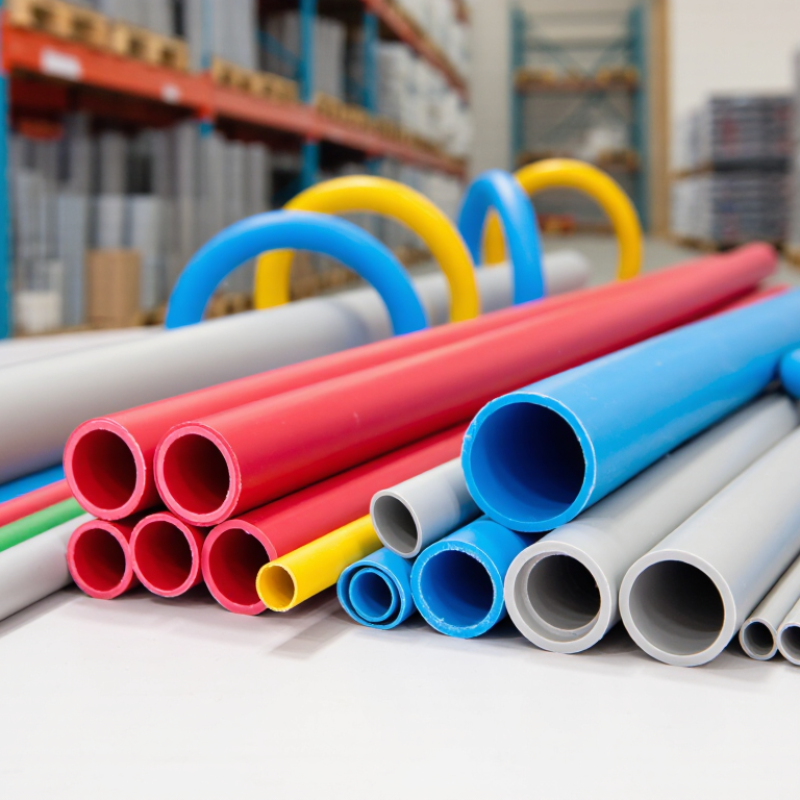
PVC tubing covers several distinct constructions. Rigid PVC-U suits water and drainage lines, while plasticized PVC-P bends more easily for flexible connections. CPVC handles higher temperatures than standard PVC, and reinforced PVC hose uses textile or spiral layers to resist collapse. Formulation matters: plasticizers improve flexibility, while stabilizers and pigments affect processing and appearance. Small details matter.
PVC is lightweight, corrosion-resistant, and easy to cut, but its pressure rating depends on diameter, wall thickness, temperature, and manufacturing quality. Flexible grades can soften under heat; rigid grades may become brittle after prolonged UV exposure. VinylPlus’s 2024 Progress Report recorded 737,645 tonnes of PVC recycled in Europe during 2023. This industry figure shows established recovery activity, though it does not mean every tube can be recycled locally. No resin wins every test.
Tips: Match the tube type to the fluid, working pressure, temperature, and bend radius. Ask suppliers for dimensional tolerances, material specifications, and test documentation. Check the inner surface for roughness and the cut end for uneven walls. One assumption deserves reconsideration: “PVC” alone does not describe performance. Request the exact grade and intended-use data before comparing quotations.
How PVC Tubes Are Manufactured in China
PVC tube production in China usually begins with a specified PVC resin and a blend of additives. The formula depends on whether the tube needs flexibility, impact resistance, or outdoor durability. Production teams weigh and mix the materials, then check the blend for consistency. Small changes matter.
The dry blend enters an extruder, where heat and a rotating screw soften and move it forward. It passes through a shaped die, forming a continuous tube. Vacuum sizing helps control the outside diameter, while cooling tanks set the shape. A haul-off unit pulls the tube at a steady speed, and a cutter trims it to order. Rigid and flexible products may require different formulations and line settings.
Finished tubes are checked for appearance, wall thickness, and dimensions. Depending on the intended use, samples may also undergo pressure or other performance tests. Inspectors look for uneven surfaces, deformation, and inconsistent lengths. Test records help buyers compare production batches, but paperwork alone cannot reveal every process variation. Clear specifications and agreed sampling plans are useful. A small flaw can matter. During supplier discussions, buyers should confirm the material recipe, tolerances, test methods, and packaging details before production begins.
How to Evaluate Chinese PVC Tube Suppliers
A reliable PVC tube supplier should explain how each product matches its intended use, not just offer a broad catalog. Share the required diameter, wall thickness, working pressure, temperature range, and connection details. Ask for a current datasheet and confirm how stated tolerances are measured. Small details matter.
Review quality controls with practical questions. How are incoming materials checked? How often are dimensions sampled during production? Can the supplier provide batch records and test reports linked to the order? If possible, inspect a sample under realistic conditions: measure its wall at several points, check the cut edges, and test fit with your connectors. A polished sample is useful, but it does not prove every production run will match.
Communication is part of the evaluation. Send one clear specification and see whether the supplier flags missing details, such as whether pressure ratings apply at a particular temperature. Discuss lead times, packing methods, and how defects are handled before placing a large order. A video call or independent factory inspection may clarify production practices, though neither removes all uncertainty. Specifications can still be misunderstood, so record agreed changes in writing.
Quality Standards and Export Requirements for Global Buyers
China Best PVC Tubes Supplier for Global Buyers
Quality checks should begin with the intended use, not just a price list. Confirm the tube’s outer diameter, wall thickness, length, pressure rating, and operating temperature. A small mismatch can cause leaks or difficult installation. Ask for test records that match the product batch, including dimensional checks and relevant pressure or material tests. Clear evidence matters.
Export documents and product marks vary by destination. Buyers should confirm applicable standards and import requirements with their local compliance team before production. Request a commercial invoice, packing list, product specification, and any required test reports or certificates. Check that names, quantities, and product descriptions match across documents.
For packing, agree on bundle size, protective caps, and labels showing size and batch number. Salt air and rough handling can damage exposed ends. Not every shipment arrives gently.
Tips: Approve a pre-shipment sample when dimensions are critical. Keep one retained sample for comparison. A checklist helps, but it can still miss a detail; review the first shipment closely and record any changes for future orders.
Ordering, Shipping, and After-Sales Support for PVC Tubes
Reliable PVC tube orders begin with a clear specification sheet. List the outer diameter, wall thickness, length, color, intended use, and acceptable tolerances. Ask whether dimensions are nominal or measured, and request a sample when a precise fit matters. Small differences matter. Confirm the quantity, packaging, production lead time, and payment milestones in writing. A low quotation is less useful if key details remain open.
Before shipment, agree on carton or pallet protection, shipping terms, estimated departure and arrival dates, and the documents you need. Ask for packing details and dispatch photos, especially for long tubes that can bend or suffer end damage. Port delays happen. A spreadsheet cannot prevent them, so leave room in your schedule and request tracking updates. Check that package labels match the order before the goods leave the supplier.
After delivery, inspect the tubes promptly. Compare dimensions and quantities against the agreed specification, and photograph any visible damage before unpacking everything. Keep labels and order records; they help support a clear claim. If an issue appears, send measurements, photos, and the affected quantity rather than a general complaint. Agree in advance on a response contact and a reasonable review period. Even careful checks can miss something, so leave time for follow-up before putting the tubes into production.