Top 10 Types of Pipe Supplies Buyers Need?
A reliable piping system starts with choosing components that suit the job, not simply the lowest-priced items on a supplier’s list. Buyers may need pipes, fittings, valves, flanges, gaskets, supports, and connection hardware. Each choice affects installation, pressure performance, maintenance, and service life. Small details matter. A gasket that does not match the fluid or operating temperature can undermine an otherwise sound connection.
Engineering professor and author Henry Petroski is known for the concise design principle, “Form follows failure.” For pipe supplies buyers, that idea is a useful reminder: consider how a system could leak, corrode, vibrate, or become difficult to service before placing an order. It is a general engineering principle, not a substitute for project specifications or professional review. Still, it encourages better questions about material compatibility, dimensions, pressure ratings, and operating conditions.
This guide examines ten common types of pipe supplies and explains what buyers should check before purchasing. The right selection depends on the application, environment, installation method, and required documentation. A product that works well in one setting may be unsuitable in another. Even experienced teams can overlook a small mismatch. That is worth reflecting on. Clear specifications, verified product data, and communication with qualified suppliers help reduce avoidable errors. The list is a practical starting point, not a universal shopping formula. A real project deserves careful review.
How Pipe Supplies Function Within a Piping System
Top 10 Types of Pipe Supplies Buyers Need?
How Pipe Supplies Function Within a Piping System
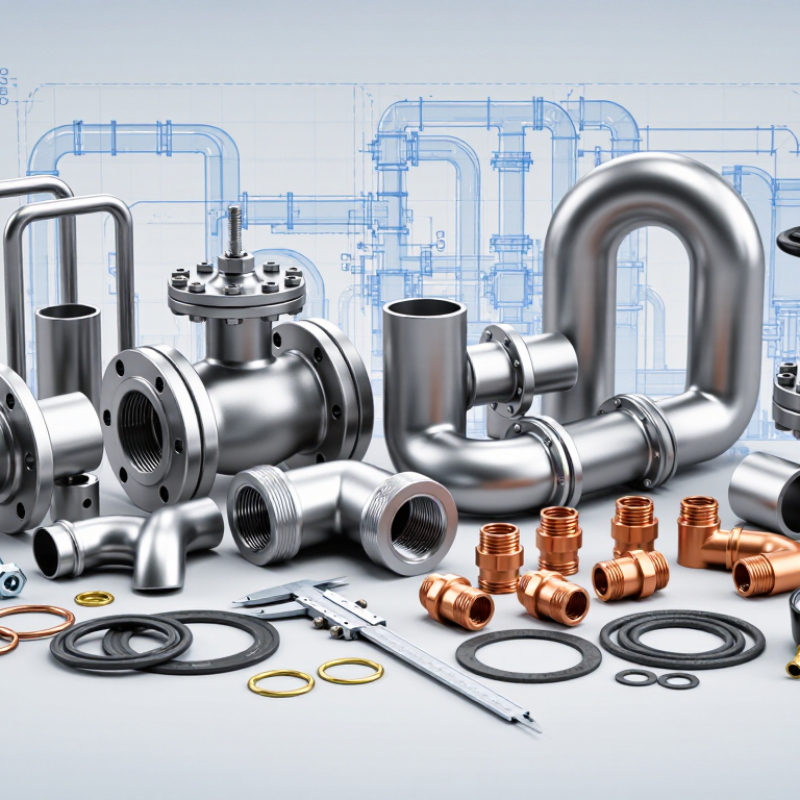
A piping system moves fluid through connected parts, each with a specific job. Pipe forms the main route; elbows change direction, while tees split or join flow. Reducers connect different pipe sizes. Couplings and unions join sections, with unions allowing easier removal during maintenance. Flanges create bolted connections, and gaskets help seal their faces. Small parts matter. Valves regulate or stop flow, while supports hold pipe in position and limit sagging. These ten supplies work together, but their suitability depends on pressure, temperature, fluid, and connection method.
Choosing components means checking how they interact, not just matching nominal sizes. A gasket must suit the flange and service conditions. A valve’s material and pressure rating should fit the system’s operating requirements. Supports need suitable spacing and placement, especially near heavier valves or changes in direction. Leaks start quietly. Installation details matter too: poor alignment can strain joints, even when every part appears correct. A tidy drawing may still overlook access for repairs; that is worth checking before ordering.
Tips: Confirm dimensions, material compatibility, and pressure ratings against project specifications. Keep connection types consistent, and allow room to inspect or replace parts. When requirements are unclear, ask a qualified piping professional to review the design.
How Pipe Supplies Are Classified by Material and Purpose
Pipe supplies are easier to select when buyers compare material with service conditions. Carbon-steel pipe suits many structural and higher-pressure systems, while stainless steel resists corrosion in demanding environments. Copper is common in water and heating lines. PVC is lightweight and often used for drainage or cold-water service; CPVC handles higher temperatures. HDPE bends around gentle curves and is widely used for buried water lines.
Ductile-iron pipe is valued in water mains, while cast iron is often chosen for quiet building drainage. Fiberglass-reinforced pipe can serve corrosive or industrial applications, depending on its resin and design. Concrete pipe is used for large stormwater and drainage systems. That makes ten material-based options, but the material name alone is not enough. Check pressure ratings, temperature limits, fluid compatibility, dimensions, and joining requirements.
Purpose also determines the supporting supplies. Fittings change direction or connect different sizes; flanges create removable joints; valves control flow; and hangers keep indoor runs properly supported. Gaskets and compatible sealants help joints remain tight. Details matter. A pipe may look suitable on paper, yet fail the job if its connections do not match. Site conditions can be messy, so confirm specifications with project drawings and a qualified supplier before ordering.
Top 10 Types of Pipe Supplies Buyers Need: Classification by Material and Purpose
| Pipe Type | Primary Material | Common Applications | Key Characteristics | Buyer Considerations |
|---|---|---|---|---|
| Carbon Steel Pipe | Carbon steel | Industrial process lines, structural work, heating systems, and some fire-protection systems | Strong and widely available; can be supplied in welded or seamless forms. | Check pressure and temperature requirements, wall thickness, applicable standards, and corrosion-protection needs. |
| Stainless Steel Pipe | Corrosion-resistant stainless steel alloys | Food processing, chemical handling, water systems, and applications requiring corrosion resistance | Resists corrosion in many environments; performance depends on the alloy grade and conditions. | Confirm alloy grade, fluid compatibility, temperature range, and whether sanitary or industry-specific requirements apply. |
| Galvanized Steel Pipe | Zinc-coated steel | Some water-distribution, outdoor, and general-purpose piping installations | The zinc coating provides a protective layer, but it can deteriorate over time, especially in corrosive conditions. | Assess water chemistry, local code requirements, existing-system compatibility, and the risk of internal corrosion or buildup. |
| Ductile Iron Pipe | Ductile cast iron | Municipal water mains, wastewater networks, and buried pressure pipelines | Designed for strength and external loads; commonly supplied with protective linings and coatings. | Check pressure class, joint type, lining, coating, soil conditions, and installation requirements. |
| Copper Pipe | Copper | Potable-water plumbing, heating, and refrigeration or air-conditioning systems | Durable and widely used in building services; available in different wall thicknesses and joining formats. | Verify the required tube type, local plumbing codes, water chemistry, connection method, and compatibility with other metals. |
| PVC Pipe | Polyvinyl chloride (PVC) | Drainage, sewer, irrigation, and cold-water systems where the product is appropriately rated | Lightweight and resistant to many common forms of corrosion; pressure and temperature limits vary by product. | Confirm pressure class, diameter, intended service, joining method, temperature limits, and local approvals. |
| CPVC Pipe | Chlorinated polyvinyl chloride (CPVC) | Hot- and cold-water plumbing and selected industrial piping systems | Designed to tolerate higher temperatures than standard PVC, subject to product ratings and system conditions. | Check temperature and pressure ratings, fluid compatibility, approved fittings, joining materials, and local code acceptance. |
| HDPE Pipe | High-density polyethylene (HDPE) | Water distribution, irrigation, drainage, and gas service when specifically approved for that use | Flexible, corrosion-resistant, and commonly joined by heat fusion or approved mechanical connections. | Match pressure rating and dimensional standard to the application; verify approvals, fusion procedures, and installation conditions. |
| PEX Pipe | Cross-linked polyethylene (PEX) | Residential and commercial hot- and cold-water plumbing, and hydronic radiant heating | Flexible and suited to routed building-service runs; fittings and connection systems vary. | Confirm the product’s intended use, temperature and pressure limits, fitting compatibility, UV exposure limits, and code requirements. |
| Concrete Pipe | Reinforced or non-reinforced concrete | Stormwater drainage, culverts, and gravity-flow sewer systems | Rigid pipe commonly used underground; load capacity depends on its design and installation support. | Choose the appropriate strength class, diameter, joint type, bedding, and corrosion protection for the site and conveyed fluid. |
Ten Essential Types of Pipe Supplies Buyers Need
Ten essential pipe supplies start with the pipe itself, selected for fluid, pressure, temperature, and site conditions. Buyers also need fittings, flanges, valves, gaskets, fasteners, pipe supports, couplings, insulation, and compatible sealants. Small details matter. A mismatched gasket can leak at a flange, while poorly placed supports can strain a long, water-filled pipe run.
The U.S. Environmental Protection Agency’s 2023 Drinking Water Infrastructure Needs Survey and Assessment estimates $625 billion in drinking-water infrastructure needs over 20 years. That figure reflects the scale of system upgrades and reinforces why buyers should check material specifications, dimensions, pressure ratings, and documentation before ordering. For example, compare the pipe’s outside diameter with the fitting schedule, and confirm that valve connections match the installation. These checks are ordinary, but easy to rush.
In practice, keep a sample gasket and fitting on hand when verifying an unfamiliar line. Inspect threads, coating, and sealing surfaces under good light; a clean-looking part can still be out of tolerance. Some teams over-order every item “just in case.” That can tie up budget and complicate storage. A clear bill of materials, with a few critical spares identified, is usually more useful. EPA figures describe U.S. needs, not every project’s conditions, so buyers should use local engineering specifications for final selection.
How to Match Pipe Supplies to Project Requirements
Matching pipe supplies starts with the service conditions, not the catalog. Record the fluid, temperature, operating pressure, exposure, and required flow before choosing pipe material and diameter. A line carrying warm process water may need different materials and seals from a buried stormwater drain. Check pressure ratings across the full assembly: pipe, fittings, flanges, gaskets, and valves. One weak connection can set the limit. The U.S. EPA’s 2023 Drinking Water Infrastructure Needs Survey and Assessment estimated $625 billion in drinking-water infrastructure needs over 20 years. That scale makes careful specification consequential, even on a short run.
Next, match fittings to the route and installation method. Elbows change direction; reducers connect different diameters; tees create branches. Confirm end connections, wall thickness, corrosion exposure, and available clearance. For buried lines, account for soil conditions and external loads; for exposed runs, check supports and thermal movement. ASCE’s 2021 Infrastructure Report Card cited an estimated 6 billion gallons of treated water lost daily through leaking pipes. It is a system-wide figure, not a prediction for one project, but it highlights why joint compatibility matters. Small details matter. A field check can catch a mismatch: compare the stamped pipe rating with the fitting documents before assembly. Measure twice. I would still revisit the specification when site conditions differ from the drawings; that step is easy to skip.
What Buyers Should Check Before Placing an Order
Before ordering carbon steel, stainless steel, alloy, galvanized, copper, ductile iron, PVC, CPVC, HDPE, or lined pipe, match the material to the fluid, pressure, temperature, and site conditions. Check nominal diameter, wall thickness or schedule, length, end preparation, and dimensional tolerances. Confirm that fittings and flanges have compatible ratings. For critical service, request material test certificates, heat-number traceability, and applicable inspection or pressure-test records. Small mismatches can delay installation.
Corrosion deserves close attention. NACE International and CEBR’s 2016 IMPACT study estimated its global cost at US$2.5 trillion annually, or 3.4% of global GDP. The study also estimated that improved corrosion management could save 15–35% of those costs. These are global estimates, not a project-specific forecast, but they underline why coating, lining, and material compatibility matter. Check the purchase specification against the project’s applicable design code, such as ASME B31.3 for process piping, and clarify packaging, delivery lengths, and storage protection in writing. A certificate alone may not catch every mismatch; compare its grade and dimensions with the order before dispatch.
Top 10 Types of Pipe Supplies Buyers Need
Example procurement checklist coverage by supply type. Counts show common specification points buyers may verify before ordering; actual requirements depend on the project, service conditions, and applicable standards. This is an illustrative checklist, not market survey data.
Before placing an order: Confirm material, size, pressure or temperature requirements, applicable standards, end connections, quantities, and required documentation with the project specification.
Related Posts
-
How to Choose the Best Pipe Supplies for Your Project?
-

How to Choose the Right Plastic Pipe for Your Plumbing Project
-
Exploring the Latest Innovations in Pipe Supplies: What You Need to Know for Your Projects
-
Top 5 Pipe Supplies You Need for Successful Plumbing Projects in 2023
-
2026 Best Pipe Supplies for Every Plumbing Project?
-
What is Pipe Supplies and Why Are They Essential for Construction?