What Are the Top Well Water Pumps in 2026?
Choosing a well water pump in 2026 requires more than comparing horsepower, prices, or online ratings. A reliable choice must match your well depth, water demand, pressure system, and electrical supply. This guide examines leading pump types, including submersible, shallow-well jet, and constant-pressure models. It also considers practical details, such as recovery rate, pipe diameter, pressure-tank settings, and seasonal groundwater changes. A pump may perform well in one property and struggle badly in another.
Real-world experience matters here. A quiet submersible pump can still deliver weak pressure if the well cannot recover quickly. A larger motor is not always better. It may increase energy use and place unnecessary strain on older wiring. We will compare manufacturer specifications with guidance from qualified well contractors and recognized water-system standards. Independent testing remains valuable, but reviews sometimes ignore installation quality.
That matters.
The strongest recommendations will explain who each pump suits, where it may fail, and how much maintenance it needs. Expect discussion of flow rate, lift capacity, dry-run protection, corrosion resistance, warranty coverage, and replacement parts. We will also note whether a model fits a rural home, irrigation system, livestock supply, or backup setup. Some conclusions may remain imperfect because local well conditions vary. Before buying, homeowners should test water levels and consult a licensed professional when measurements are uncertain. Clear evidence beats impressive advertising.
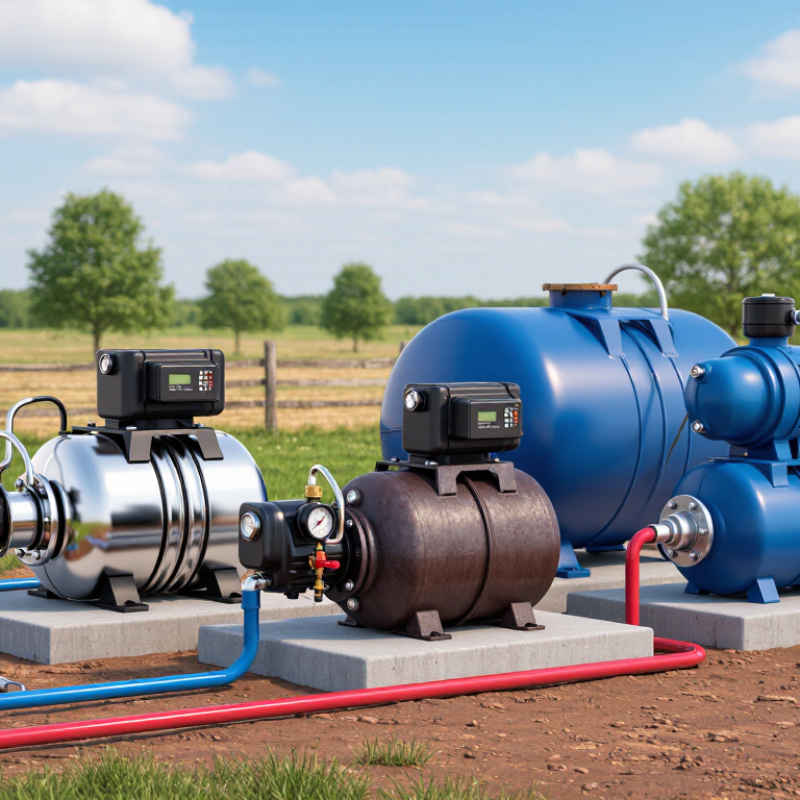
What Makes a Well Water Pump Effective in 2026?
An effective well water pump in 2026 does more than move water uphill. It must match the well depth, recovery rate, household demand, and pipe diameter. An oversized pump may create pressure swings and waste electricity. An undersized model can leave a family waiting between showers. Field inspections often reveal the same problem: homeowners choose by horsepower alone. That shortcut is unreliable.
Modern systems use variable-speed control to adjust output as taps open and close. This can provide steadier pressure and reduce repeated motor starts. Energy monitoring also helps identify unusual consumption before a serious failure develops. Dry-run protection matters when a well level drops during drought. However, sensors are not magic. They require correct calibration and occasional testing. A clever system can still fail.
Construction quality remains important. Corrosion-resistant components, sealed wiring, and a properly sized pressure tank support safer, longer service. The pump should also tolerate local water conditions, including sand, iron, or mineral buildup. Before installation, a qualified technician should measure flow, pressure, voltage, and well depth. Keep records of those readings. They make future troubleshooting faster.
Maintenance is often neglected.
Inspect connections, test safety controls, and check pressure changes at least annually. Listen for grinding, rapid cycling, or sudden loss of flow. These small clues deserve attention. I would not trust a pump chosen from specifications alone. Real performance depends on the well, the installation, and the care it receives.
Which Types of Well Water Pumps Suit Different Homes?
The best well water pump in 2026 depends on your home, well depth, and daily demand. Start with the well report, not a shopping list. A submersible pump suits most drilled wells deeper than about 25 feet. It sits below the water level and pushes water upward. This design is quiet, efficient, and protected from freezing weather. It works well for larger homes, irrigation systems, and properties with steady pressure needs.
Shallow wells often suit above-ground jet pumps. They remain accessible in a basement or utility room, which simplifies inspection and replacement. However, they can be noisier and may lose prime. Convertible jet pumps can serve deeper wells when paired with a suitable ejector assembly. Homes using a storage tank may need a separate booster pump for showers, washing machines, or upper floors. Small cottages sometimes need less capacity than installers assume.
Size matters more than flashy specifications. A qualified well contractor should calculate flow rate, total lift, pipe friction, and pressure requirements. Oversizing can cause short cycling and premature wear. Undersizing creates weak showers and slow tank recovery. Variable-speed pumps can provide steadier pressure, but their controls require careful setup. Sand, iron, and sediment may demand filtration before the pump system. I would rather accept a slightly slower flow than risk a pump running dry. That judgment is not universal. Local water conditions still decide the safer choice.
What Are the Top Well Water Pumps in 2026?
Representative typical flow rates show how different well pump types suit common household conditions. Actual performance depends on well depth, water demand, pipe size, and system pressure.
Selection guide: Shallow-well jet pumps suit homes with water levels up to about 25 feet. Deep-well submersible pumps are generally better for deeper wells and consistent household demand. Convertible jet pumps can serve variable-depth installations, while constant-pressure submersible systems are useful for larger homes or homes with multiple simultaneous fixtures. Hand pumps are mainly suitable for basic, low-volume water access.
How to Compare the Top Well Water Pump Features
What Are the Top Well Water Pumps in 2026?
Comparing well water pumps starts with the well, not the advertisement. Measure the static water level, recovery rate, casing diameter, and total vertical lift. A pump that looks powerful may struggle when the water level drops during summer. Match its flow rate to household demand, but avoid choosing excessive capacity. Oversized pumps can cycle frequently and wear faster. For many homes, steady pressure matters more than impressive maximum flow.
Check the motor’s efficiency, starting current, and protection against dry running. A variable-speed controller may provide smoother pressure, although its electronics require careful installation. Compare stainless steel, thermoplastic, and cast components for corrosion resistance. Also inspect the pump’s rated head, electrical requirements, cable quality, and approved safety certification. Small details matter. A poorly sized pressure tank can make even a reliable pump behave badly.
During a practical comparison, listen for vibration and note how quickly pressure recovers after two showers run together. Review the service instructions before buying, because difficult access can turn a minor repair into an expensive visit. I once focused too much on flow numbers and overlooked replacement parts. That was a useful mistake. Warranty length helps, but local technical support may matter more. Water chemistry can also change the decision; sand, iron, or acidity may demand extra filtration or different materials. Keep records of pressure readings, pump starts, and seasonal water levels. Data beats guesswork, though home measurements are not always perfect.
What Are the Best Well Water Pumps for Specific Needs?
For 2026, the best well pump depends on depth, flow demand, and pressure goals.
The U.S. Geological Survey’s 2015 Estimated Use of Water report found that self-supplied domestic wells served about 42.5 million Americans. That scale makes correct pump selection important. Real wells are messier.
Shallow wells usually suit jet pumps when the water level stays within roughly 25 feet.
Deeper wells need submersible pumps, which push water upward efficiently from inside the casing.
A constant-pressure pump fits homes with several showers, sprinklers, or uneven daily demand.
It maintains steadier pressure, but its controls need careful protection from voltage problems.
For remote properties, solar pumping can reduce grid dependence. Storage tanks still matter. Cloudy days happen.
Pump sizing should match measured well yield, required gallons per minute, and total dynamic head.
A pump that is too large may cycle frequently and waste energy. One that is too small may leave taps weak.
The Centers for Disease Control and Prevention reports that more than 43 million Americans rely on private wells, and it recommends annual well-water testing.
That advice also affects pump choice, because sediment can damage impellers and screens.
Ask for a flow test, inspect the pressure tank, and verify wiring before purchase. A neat rule can mislead; local geology and household habits often matter more than a catalog rating.
How to Choose, Install, and Maintain a Well Water Pump
In 2026, the best well water pump depends on depth, flow demand, and power reliability. Submersible pumps suit deep wells because they push water upward efficiently. Jet pumps work better for shallow wells with accessible equipment. Constant-pressure systems provide steadier showers, but they require careful sizing and compatible controls. No pump fits every property.
Measure the well depth, water level, pipe length, and peak household demand before buying. A pump that is too small may produce weak pressure. An oversized pump can cycle frequently and wear out early. Check the well’s recovery rate, too. A simple flow test can prevent an expensive mistake. I would also test the water before selecting materials, because iron, sand, and acidity can damage components.
Installation needs clean wiring, a correctly sized pressure tank, and a reliable check valve. Keep electrical work under local code and use a qualified professional when needed. Flush new piping before drinking the water. During maintenance, inspect pressure readings, unusual noise, and short cycling every few months. Clean sediment filters when flow drops. Replace worn seals promptly. I have found that owners often ignore small pressure changes, then face larger repairs later. My own preference is conservative sizing, although site conditions can prove that choice imperfect.