China Top 10 Well Supplies Manufacturers for Global Buyers
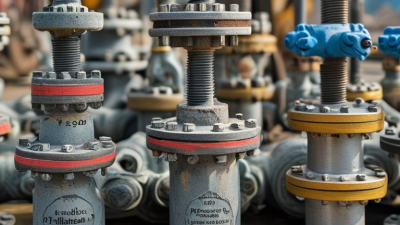
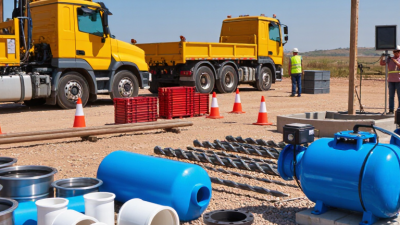
China has become a major sourcing base for well supplies used in water wells, agricultural systems, and industrial projects. Its manufacturers offer drilling tools, well screens, casings, submersible pumps, control panels, and sealing components. For global buyers, the challenge is not finding suppliers. It is identifying dependable partners.
This guide reviews ten leading Chinese manufacturers for international purchasing teams. The selection considers product range, manufacturing experience, quality controls, export capability, and after-sales support. Factory visits, sample testing, and technical discussions can reveal details that brochures often hide. For example, buyers should inspect screen slot accuracy, steel thickness, pump efficiency, weld quality, and packaging strength. A damaged crate can create expensive delays at a remote project site.
No ranking is perfect.
Market reputation changes. Product quality may vary between batches, factories, and subcontractors. Buyers should confirm certifications, test reports, material grades, production capacity, and warranty terms before signing contracts. Clear drawings and written specifications also reduce misunderstandings across languages and time zones.
The best supplier is not always the cheapest one. A lower quotation may exclude testing, spare parts, inland transport, or technical support. Reliable manufacturers explain these costs clearly and respond with practical documentation. They should also understand destination-country standards and installation conditions. This overview provides a useful starting point, not a substitute for due diligence. With careful comparison, global buyers can source well supplies that perform consistently, arrive safely, and support long-term project reliability.
Understanding China’s Well Supplies Manufacturing Industry
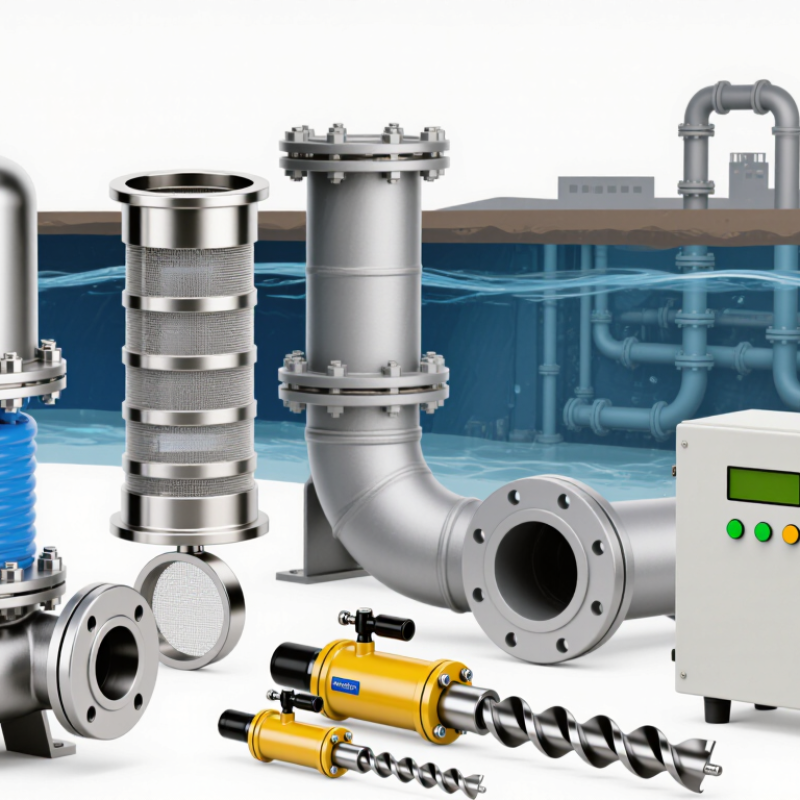
China’s well supplies manufacturing industry covers casing pipes, screens, submersible pumps, drilling tools, pressure tanks, and water treatment components. Production is concentrated in several industrial regions, where metalworking, casting, machining, and assembly suppliers operate close together. This structure helps manufacturers offer flexible specifications and competitive export pricing.
Quality depends on more than factory size. Experienced manufacturers control steel grade, wall thickness, thread accuracy, welding quality, and pump performance. Buyers should request material certificates, dimensional reports, pressure-test records, and sample approvals. Factory audits can reveal practical details, such as clean assembly areas, calibrated instruments, and protected storage for rubber seals. These details matter.
Standards must match the installation site. A casing pipe for a deep agricultural well may need different strength and corrosion resistance than one used in a municipal project. Buyers should confirm local electrical requirements, water chemistry, connection types, packaging, and replacement-part availability. Clear drawings reduce costly misunderstandings. Small errors become expensive offshore.
The lowest quotation is not always the best value. It may exclude testing, export packaging, or technical support. At the same time, higher pricing does not guarantee reliable performance. A careful sourcing process compares specifications, inspection evidence, production capacity, and after-sales response. Independent inspection is useful, though it cannot replace a precise contract. Some suppliers communicate well but document poorly; this weakness deserves attention before production begins.
Key Products and Applications in Well Construction
China Top 10 Well Supplies Manufacturers for Global Buyers
Key Products and Applications in Well Construction
China’s leading well supplies manufacturers produce equipment for drilling, casing, completion, and maintenance. Their product ranges often include casing pipes, tubing, drill pipes, well screens, centralizers, valves, and cementing accessories. Each item supports a specific stage of well construction. For example, casing stabilizes the borehole, while screens control sand entry near the production zone.
Well screens with precise slot openings are widely used in water wells and geothermal projects. Heavy-duty drill pipes serve rotary drilling in hard formations. Centralizers help maintain an even cement layer around casing. This detail matters. Poor spacing can weaken isolation and increase future repair costs. Many manufacturers also provide custom threads, steel grades, dimensions, and protective coatings for different geological conditions.
Reliable suppliers should provide material certificates, dimensional inspection records, pressure-test results, and traceable batch numbers. Experienced buyers usually check samples before approving large orders. Factory audits can reveal practical issues, such as inconsistent welding or weak packaging. Some suppliers offer useful technical support, but communication may still be imperfect across languages and time zones. This deserves attention. Product quality also depends on correct storage, transport, and installation at the project site. A strong manufacturer can meet drawings, yet field conditions may require careful adjustment. The best purchasing decision balances tested performance, application knowledge, delivery capability, and transparent documentation.
Criteria for Evaluating Chinese Well Supplies Manufacturers
When evaluating Chinese well supplies manufacturers for global buyers, start with product fitness, not catalog size. Check steel grades, thread accuracy, screen openings, pump compatibility, and coating thickness. Ask for drawings and material certificates. A serious supplier should explain tolerances clearly and provide traceable batch records.
Factory capability matters too. Review production equipment, inspection tools, worker training, and quality-control procedures. Request samples before placing a large order. Measure dimensions yourself when possible. Test the sample. Confirm whether the reported performance reflects laboratory conditions or actual field use. Export experience is useful, but it should not replace technical evidence. Reliable manufacturers can discuss packaging, moisture protection, spare parts, and documentation for your destination market. They should also identify standards followed during production, without making vague compliance claims.
Tips: Compare at least three quotations using the same specifications. Check response speed, but judge technical accuracy more carefully. Visit the factory or arrange an independent inspection when the order is significant. A video tour helps, but it cannot reveal every weakness. No checklist is perfect. A spreadsheet may miss poor communication after payment. Keep written records of agreed materials, tolerances, inspection points, and delivery conditions. Ask difficult questions early. Details matter.
China Top 10 Well Supplies Manufacturers for Global Buyers - Criteria for Evaluating Chinese Well Supplies Manufacturers
| No. | Evaluation Dimension | Recommended Benchmark | Documents or Evidence to Request | Suggested Weight | Buyer Evaluation Focus |
|---|---|---|---|---|---|
| 1 | Product and Application Coverage | Capability to supply relevant well products, such as casing, tubing, wellheads, valves, pumps, screens, drilling tools, or completion accessories. | Product catalogue, technical datasheets, size range, pressure range, material grades, and completed project references. | 12% | Confirm that the manufacturer produces the required item instead of acting only as a trading intermediary. |
| 2 | Applicable Industry Standards | Products should be designed and tested against the standards specified in the purchase order and project requirements. | Valid certificates, standard edition, product scope, inspection reports, and traceability records. Common references may include API 5CT for casing and tubing and API 6A for wellhead and tree equipment, where applicable. | 14% | Check whether the certificate covers the exact product, facility, size, pressure class, and manufacturing location. |
| 3 | Quality Management System | A documented quality system with controlled procedures for purchasing, production, inspection, nonconformity handling, and corrective action. | Current ISO 9001 certificate, scope of certification, audit history, quality manual extract, and sample inspection and test plans. | 12% | Give preference to suppliers that can provide batch-level records and consistent quality controls. |
| 4 | Material Traceability | Complete traceability from raw material heat or batch number through machining, assembly, testing, and shipment. | Material certificates, heat numbers, inspection records, marking photographs, non-destructive testing reports, and final data books. | 10% | Verify that markings on the physical product match the certificates and packing documents. |
| 5 | Testing and Inspection Capability | Access to calibrated dimensional, pressure, mechanical, chemical, and non-destructive testing equipment appropriate to the product. | Equipment list, calibration certificates, test procedures, sample reports, and independent inspection arrangements. | 12% | Determine whether critical tests are performed in-house or by qualified independent laboratories. |
| 6 | Pressure, Temperature, and Service Compatibility | The product rating must match well depth, pressure, temperature, fluid composition, corrosion exposure, and sour-service requirements. | Pressure-temperature charts, material compatibility data, design calculations, qualification tests, and sour-service compliance documents where required. | 14% | Do not compare suppliers on price until operating conditions and safety factors are technically confirmed. |
| 7 | Manufacturing Capacity and Lead Time | Production capacity, equipment availability, and delivery schedules should be demonstrated for the requested quantity and specification. | Capacity statement, production schedule, factory loading information, sample order timeline, and documented on-time delivery history. | 10% | Separate standard-stock lead time from engineered-to-order lead time and include inspection time. |
| 8 | Customization and Engineering Support | Ability to review drawings, adapt dimensions or connections, prepare calculations, and support installation or commissioning. | Engineering organization chart, drawing samples, calculation examples, revision-control procedure, and technical response time. | 8% | Assess whether engineering changes are controlled and formally approved before production. |
| 9 | Export, Packaging, and Logistics Readiness | Experience with export documentation, seaworthy packaging, corrosion protection, container loading, and delivery terms. | Packing specifications, commercial invoice, packing list, certificate of origin, export references, photographs, and Incoterms quotation. | 4% | Confirm that packaging protects threaded, machined, coated, and pressure-containing surfaces during long-distance transport. |
| 10 | Commercial Reliability and After-Sales Service | Transparent quotation, clear warranty terms, responsive communication, spare-parts support, and a defined process for claims and corrective action. | Detailed quotation, warranty policy, contractual terms, customer references, complaint procedure, spare-parts list, and service contact structure. | 4% | Evaluate total cost of ownership rather than purchase price alone, including inspection, freight, spares, and technical support. |
China’s Top 10 Well Supplies Manufacturers for Global Buyers
China’s Top 10 Well Supplies Manufacturers for Global Buyers should be judged by evidence, not catalog size. In field sourcing, buyers often inspect casing, screens, pumps, drilling tools, valves, and completion accessories together. UNESCO’s World Water Development Report 2022 states that groundwater supplies nearly half of global drinking water. The UN World Water Development Report 2024 adds that agriculture uses about 70% of global freshwater withdrawals. These figures make well-equipment reliability commercially important. They also show that well supplies mean more than steel pipes.
A practical top-ten review should verify material certificates, dimensional reports, pressure tests, and traceable batch records. ISO 9001 registration helps, but it cannot replace independent inspection. For oil and gas components, API Specification Q1 provides a useful quality reference. For water-well equipment, ISO 22475-1 supports groundwater investigation practices. World Bank procurement guidance emphasizes lifecycle cost, maintenance, and supplier performance. Cheap delivery is not always cheap ownership.
Global buyers should compare production capacity, export experience, packaging quality, lead times, spare-parts support, and complaint handling. A factory audit should include machining areas, coating control, gauges, and finished-goods storage. Ask for recent test records, not polished photos alone. Some suppliers communicate quickly before payment, then respond slowly after shipment. That weakness deserves attention. The shortlist should remain flexible, because a strong pump manufacturer may not excel at screens or drilling tools. No ranking is perfect. Product fit still depends on geology, water chemistry, pressure, and local installation skills.
Sourcing, Quality Control, and International Compliance Considerations
When comparing China’s top ten well-supplies manufacturers, buyers should begin with application fit, not catalog size.
Ask for drawings, steel grades, connection standards, tolerances, and operating pressure. A reliable supplier explains limits clearly. Vague answers deserve a pause. Request samples before approving a large order.
Confirm that samples match the proposed factory, tooling, and raw-material route. Factory audits should examine incoming inspection, heat-number records, machining areas, and packing controls. Photos help, but they are not proof.
Quality control needs measurable checkpoints. Require dimensional reports, material certificates, pressure-test records, and coating inspection results.
For critical components, use an independent inspection company before shipment. Inspectors can verify thread accuracy, surface damage, quantity, labeling, and packaging strength. No audit catches every defect. That gap matters. Keep approved drawings and signed specifications with the purchase contract. Small wording changes can create expensive disputes later.
International compliance depends on the destination and the product’s use.
Check customs codes, labeling rules, restricted-material requirements, and applicable technical standards before production. Confirm whether certificates need laboratory accreditation or local approval. A supplier should provide traceable documents, not recycled templates.
Buyers should also review warranty terms, spare-part availability, inspection access, and corrective-action procedures. Delivery speed is useful, but it should never replace documented control. A cheaper quotation may hide weaker steel, incomplete testing, or unclear responsibility. Ask difficult questions early.
Related Posts
-
2026 Top Well Supplies Manufacturers for Global Buyers
-
What Are the 2026 Best Well Supplies for Global Buyers?
-
What Are Well Supplies?
-

Unlocking the Secrets of Sustainable Water Solutions with Advanced Well Drilling Supplies Leading the Market Transition
-
Top Water Well Supplies Manufacturers and Suppliers Worldwide
-
Understanding the Importance of Water Well Pipe Selection for Safe Water Access