
2026 Top Plumbing Fittings for Global Buyers
The 2026 market offers more choice—and more ways to choose poorly. Plumbing fittings can look nearly identical in a product photo, yet differ in material, connection type, pressure rating, and intended use. A brass elbow, a stainless-steel coupling, and a polymer adapter each have their place. The wrong match can mean leaks, corrosion, or costly rework. Details matter.
This guide compares leading fitting types for global buyers, including materials, applications, connection methods, and supplier considerations. Plumbing expert Richard Trethewey is known for practical advice on plumbing systems. Here is a buyer-focused paraphrase of that approach: “Choose fittings for system compatibility, not shelf appeal.” It is not a verbatim quotation. Buyers should check technical data, traceability, and quality documentation, then confirm requirements for the destination market. A polished catalogue is not proof of performance.
The rankings will help narrow the field, not replace engineering review. We will look at everyday repairs, larger projects, and sourcing questions that affect durability and value. A fitting’s finish can hide a mismatch. Even experienced buyers miss small details, such as thread standards or seal compatibility. That deserves a second look. Expect clear comparisons, practical checks, and a few trade-offs that are easy to overlook. No single product suits every system; the best choice depends on the application, installation conditions, and verified specifications.
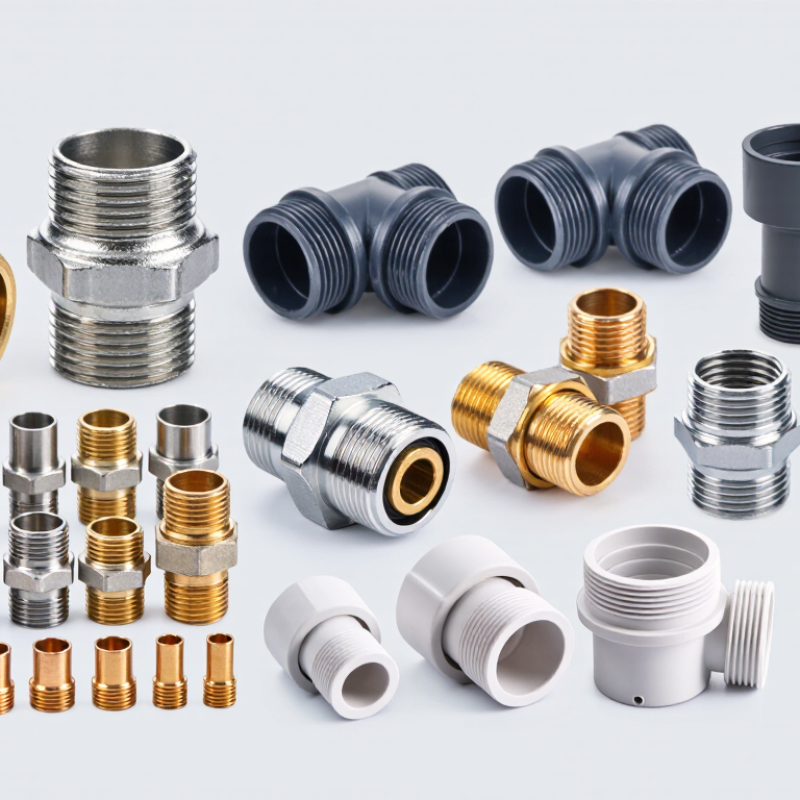
Plumbing Fittings in 2026: Core Functions and Global Applications
In 2026, plumbing fittings remain the working links between pipes, fixtures, and water-control equipment. Elbows change direction, tees divide flow, and valves help isolate sections for repairs. A sound connection limits leaks and keeps pressure stable. Small details matter. Thread type, bore size, and seal material must match the pipe and service conditions. A fitting that looks suitable may still create a weak joint if dimensions differ slightly.
Applications vary across regions and buildings. Homes need reliable connections beneath sinks, behind toilets, and at water heaters. Commercial kitchens often require fittings that tolerate frequent cleaning and temperature changes. Healthcare facilities depend on careful installation and accessible maintenance points. Irrigation networks use connectors designed for outdoor exposure and changing water pressure. No system is identical. Local water quality, climate, pipe materials, and installation practices all affect fitting selection.
Global buyers should compare technical drawings, pressure ratings, temperature limits, and material details before ordering. They should also confirm that compatible seals and replacement parts are available. On site, cramped cabinets and uneven pipe runs can make installation harder than a catalog suggests. That is easy to overlook. Clear product data helps, but it cannot replace checking the actual connection and operating conditions. A practical choice balances fit, durability, maintenance access, and the needs of the project.
2026 Top Plumbing Fittings for Global Buyers - Plumbing Fittings in 2026: Core Functions and Global Applications
| Fitting Type | Core Function | Common Materials | Typical Connections | Common Applications | Buyer Considerations |
|---|---|---|---|---|---|
| Elbow | Changes the direction of a pipe run, commonly by 45° or 90°. | Copper, brass, stainless steel, steel, PVC, CPVC, PEX, and polyethylene | Solder, press, threaded, solvent cement, compression, or push-fit | Potable-water distribution, heating circuits, drainage, and industrial piping | Check the angle, nominal size, material compatibility, flow requirements, and connection method. |
| Tee | Joins or divides flow between a main pipe and a branch line. | Copper, brass, stainless steel, steel, PVC, CPVC, PEX, and polyethylene | Solder, press, threaded, solvent cement, crimp, or push-fit | Water-supply branches, heating systems, irrigation, and process piping | Confirm whether the branch is equal-size or reduced-size and whether the fitting matches the pipe system. |
| Coupling | Connects two pipe ends, usually in a straight line. | Copper, brass, stainless steel, steel, PVC, CPVC, and polyethylene | Solder, press, threaded, solvent cement, compression, or push-fit | Pipe extensions, repairs, and standard straight runs | Check pipe outside diameter, material, joining method, and whether a repair or slip coupling is required. |
| Union | Joins two pipe sections while allowing them to be disconnected for servicing. | Brass, stainless steel, steel, and selected plastic systems | Threaded, solder-end, compression, or system-specific connections | Accessible connections near pumps, water heaters, filters, and serviceable equipment | Allow access for maintenance and verify seal design, pressure suitability, and material compatibility. |
| Reducer | Connects pipes of different sizes to transition between flow paths. | Copper, brass, stainless steel, steel, PVC, CPVC, and polyethylene | Threaded, solder, press, solvent cement, or butt fusion, depending on system | Transitions between pipe sizes in water, drainage, heating, and process lines | Specify both end sizes and the required concentric or eccentric configuration where relevant. |
| Adapter | Connects pipes or components with different end types, materials, or thread forms. | Brass, stainless steel, copper, PVC, CPVC, and polyethylene | Threaded-to-solder, threaded-to-press, threaded-to-plastic, or compression connections | Equipment connections, transitions between pipe systems, and fixture hookups | Identify thread type, gender, size, sealing method, and compatibility of the materials being joined. |
| Nipple | Provides a short threaded connection between fittings or equipment. | Brass, stainless steel, and steel | Male threaded ends | Connections to fixtures, manifolds, pumps, and threaded pipework | Check thread standard, nominal size, length, material, and corrosion exposure. |
| Cap or Plug | Closes the end of a pipe or fitting; a cap generally fits over an end, while a plug fits into an opening. | Brass, stainless steel, steel, PVC, and CPVC | Threaded, solder, press, or solvent cement | Temporary or permanent closure of test points, branches, and unused outlets | Confirm whether the closure is intended to be removable and suitable for the system’s service conditions. |
| Flange | Creates a bolted, serviceable connection between pipework, equipment, or components. | Carbon steel, stainless steel, ductile iron, and selected plastics | Bolted flange connection with a compatible gasket and facing | Pumps, tanks, treatment equipment, and larger-diameter piping systems | Match the flange dimensions, pressure class, facing, bolt pattern, gasket, and connected equipment. |
| Compression Fitting | Forms a mechanical seal by compressing a ferrule or sealing element around the pipe. | Brass, stainless steel, and selected engineered plastics | Compression nut and ferrule or system-specific sealing component | Small-diameter water lines, fixture connections, and serviceable installations | Check pipe material and dimensions; follow installation instructions and avoid mixing incompatible components. |
Related Posts
-
How to Choose the Right Pipe Supplies for Your Project?
-
Top 10 Types of Pipe Supplies Buyers Need?
-

How to Choose the Right Plastic Pipe for Your Plumbing Project
-
How to Choose the Best Water Well Supplies?
-
How to Choose the Right Well Pipe for Your Water Supply Needs?
-
2026 Best Well Pipe Types for Global Buyers?