Request A Quote

Phone: 416-244-6476
Email:

    What Are the Different Types of Well Supplies?

    A private well depends on more than a pump. Well supplies include the equipment that draws water, carries it into the home, controls pressure, and helps protect water quality. The right combination varies with well depth, water demand, and the condition of the existing system.

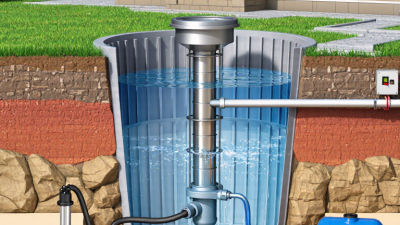
    For a drilled well, common supplies include a submersible pump, drop pipe, electrical cable, casing, and a pitless adapter. Shallow wells may use a jet pump instead. Small details matter. Cable size, pipe material, and pump capacity must suit the installation; a mismatch can cause poor flow or premature wear. The categories can overlap, and product names are not always used consistently.

    Inside the home, a pressure tank and switch help maintain steady water delivery. Treatment supplies may include filters, softeners, or disinfection equipment, depending on water test results. Testing supplies and routine service are just as important as replacement parts. Clear water is not always safe water.

    Choosing well supplies starts with the well record, pump specifications, and recent water-quality results. A qualified well professional can check compatibility and applicable local requirements before equipment is changed. Keep records of repairs and test results. It is easy to overlook them. One honest complication: even a carefully selected product cannot fix an incorrectly sized or poorly maintained system.
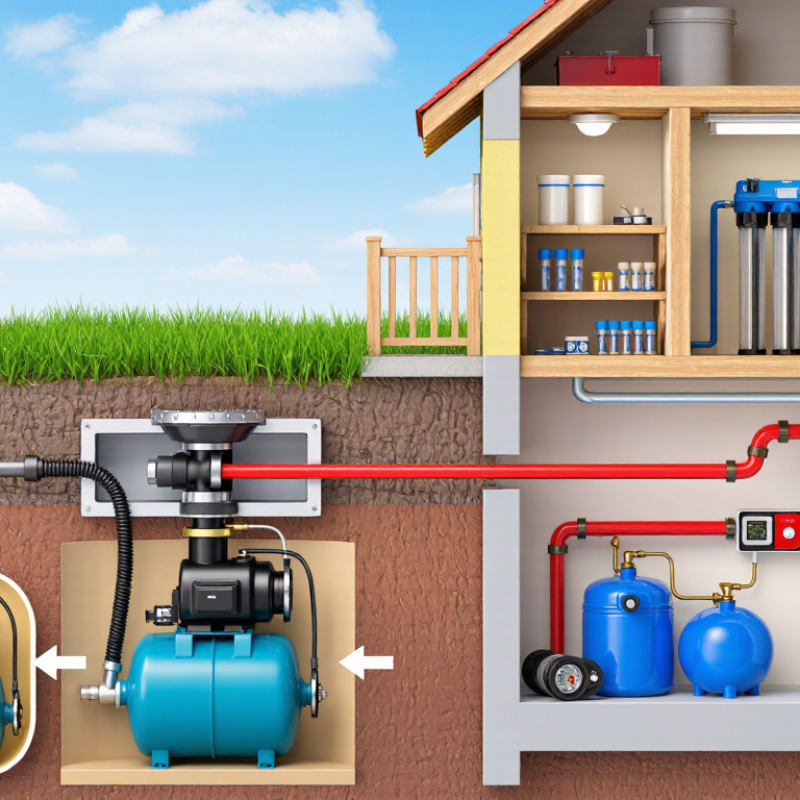
    What Are the Different Types of Well Supplies?

    What Are Well Supplies and How Are They Classified?

    Well supplies are the equipment and materials used to build, operate, protect, and maintain a water well. The term covers more than the pump. It may include casing, a well cap, drop pipe, electrical controls, pressure components, storage tanks, and water-treatment equipment. Each item serves a specific purpose. Casing supports the bore and helps limit entry of debris near the well opening. A sanitary cap keeps insects and surface material out. Small details matter.

    Supplies are commonly classified by function. Construction and protection materials include casing, screens, seals, and caps. Water-lifting equipment includes pumps, piping, and controls; the right combination depends on well depth, water demand, and measured flow. Treatment supplies, such as filters or disinfection equipment, address specific test results rather than assumptions about taste or appearance. Storage and distribution components move water to taps and fixtures, while monitoring tools help track pressure, flow, and water quality. A pressure gauge can reveal a changing system before a weak shower becomes a daily problem. Still, categories overlap, and a component that works well in one well may not suit another. Even a careful supply list can miss a site-specific issue. Assessment matters.
    Which Supplies Are Used to Construct and Protect a Well?

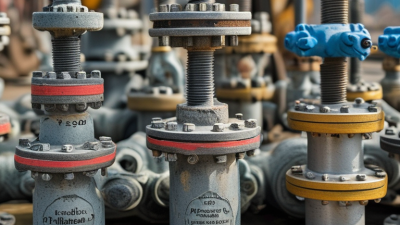
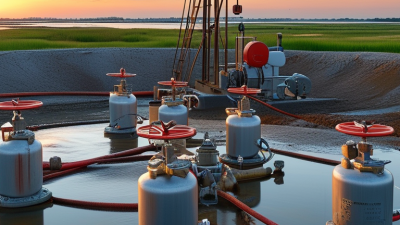
    A well is more than a drilled hole. Its casing supports the borehole and helps keep shallow soil and surface water out. A screen at the bottom lets groundwater enter while holding back sand and sediment. Depending on the geology, a graded gravel pack may surround the screen; it is not needed in every well. USGS’s 2020 national water-use assessment estimated groundwater withdrawals at about 71.7 billion gallons per day. That scale makes sound well construction important.

    Sealing the space around the casing matters. Cement or bentonite grout can close the annular gap, limiting pathways for contamination. At the surface, a tight-fitting sanitary cap blocks insects and debris; a screened vent allows airflow without leaving an open entry point. CDC guidance recommends that private-well casing extend at least 12 inches above ground, with the ground sloping away from it. Small parts matter. A damaged cap or low casing can undermine otherwise careful construction.

    Protection also depends on the site. A pitless adapter carries water below the frost line without an exposed pipe opening, while a sanitary seal helps protect the casing at the surface. Materials and dimensions should match local geology and the well design, not a generic parts list. CDC reports that more than 23 million U.S. households rely on private wells, yet owners may not know what lies below the cap. That is worth reflecting on: visible hardware can be inspected, but buried grout and screens are harder to verify. Keep construction records, and have the well inspected and water tested when concerns arise.

    What Equipment Pumps Water from a Well?

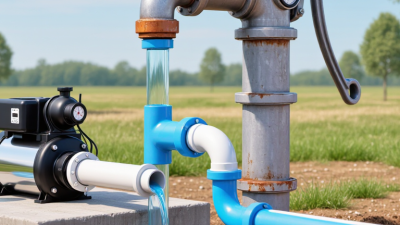
    Most residential wells use either a submersible pump or a jet pump. A submersible unit sits below the waterline, pushing water upward through a drop pipe. Its sealed motor avoids priming problems, but pulling it for service takes work. A jet pump stays above ground and creates suction. Shallow-well models suit higher water levels; deep-well systems use an ejector assembly. Pump type alone does not determine performance. Static water level, seasonal drawdown, pipe losses, and household flow all matter.

    The pump works with a pressure tank, pressure switch, check valve, and control wiring. The tank stores pressurized water, reducing how often the pump starts. The switch turns the pump on when pressure falls and off when it recovers. Small details matter. The U.S. Geological Survey’s 2018 Circular 1441 reports groundwater withdrawals of 82.3 billion gallons per day in 2015. The CDC estimates that more than 15 million U.S. households rely on private wells. Those figures show why dependable pumping matters, but they cannot size an individual system. Depth alone is a tempting shortcut, and it can mislead. A qualified well professional can assess the water level, expected demand, and pump curve before recommending equipment.

    What Are the Different Types of Well Supplies? — What Equipment Pumps Water from a Well?
    Category Supply or Equipment What It Does Common Use or Key Consideration
    Water-lifting equipment Submersible pump Uses an electric motor to push water upward through the drop pipe. Installed below the water level; commonly used in deeper wells. Pump capacity should suit the well yield and household demand.
    Water-lifting equipment Jet pump Uses an impeller and jet assembly to move water by suction and pressure. Typically installed above ground. Shallow-well and deep-well configurations are available; the suitable type depends on water depth and system design.
    Water-lifting equipment Hand pump Moves water through manually operated mechanical action. Can provide water without grid electricity when correctly matched to the well and installed depth.
    Water-lifting equipment Solar-powered pump system Uses electricity from solar panels to operate a pump. Often used where grid power is limited. System output depends on sunlight, panel capacity, pump sizing, and water storage.
    Well structure Well casing Lines the borehole to help keep it open and separate the well from surrounding soil or rock. Material and installation depend on local conditions and applicable construction requirements.
    Well structure Well screen Allows groundwater to enter while helping keep sand and larger sediment out. Used in suitable formations; screen openings should be selected for the aquifer material.
    Well protection Sanitary well cap or seal Helps prevent insects, debris, and surface contaminants from entering the well. Should fit securely and be maintained in good condition.
    Water delivery Drop pipe and water line Carry water from the pump to the pressure system or point of use. Pipe material, diameter, pressure rating, and installation depth must match the system design.
    Pressure control Pressure tank Stores pressurized water and helps reduce how often the pump starts and stops. Tank size and pressure settings should be compatible with the pump and household water demand.
    Pressure control Pressure switch Turns the pump on and off at set pressure levels. Correct settings help the system maintain usable water pressure; adjustments should follow equipment specifications.
    Flow control Check valve Allows water to flow in one direction and helps prevent it from returning toward the well. Placement and quantity depend on the pump and plumbing design.
    Well connection Pitless adapter Connects the well discharge line to underground plumbing while allowing the pump piping to be accessed from above ground. Commonly used in cold climates to keep the water line below the frost line.
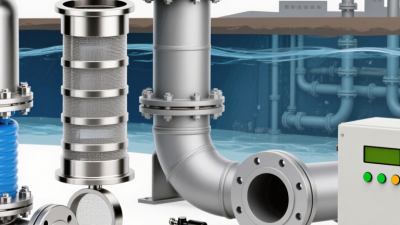
    Water treatment Sediment filter or treatment equipment Reduces selected particles or contaminants in water. Choose treatment based on a water test; filters and treatment devices address different water-quality issues.
    System protection Dry-run or low-water protection Helps stop the pump if water supply conditions could cause it to run without adequate water. Useful where well yield can vary; the appropriate protection depends on pump and control-system compatibility.

    Which Supplies Store, Treat, and Deliver Well Water?

    What Are the Different Types of Well Supplies?
    Which Supplies Store, Treat, and Deliver Well Water?

    A private well needs equipment to move water from the ground, maintain pressure, and address contaminants. A submersible pump sits underwater in the well; a jet pump is usually installed above ground. Both move water into plumbing, while a pressure tank stores a small reserve and reduces frequent pump starts. Pipes, a pressure switch, and check valves help carry water through the home. Small parts matter.

    The right treatment depends on a water test, not guesswork. Sediment filters can catch visible grit, while disinfection systems or contaminant-specific filters may address particular test results. The CDC recommends testing private well water at least once a year for germs and chemicals such as nitrates. Its guidance also advises testing after repairs or flooding. A clear glass is not proof of safe water.

    The need is substantial: the USGS report Estimated Use of Water in the United States in 2015 estimated that domestic wells served about 42.5 million people. That figure makes routine maintenance more than a minor chore. Check the pressure gauge, inspect accessible fittings for leaks, and keep treatment filters on schedule. Even careful owners can miss a slow change in taste or pressure; periodic lab results provide a firmer basis for decisions.

    What Tools Help Monitor and Maintain a Well?

    A reliable well depends on more than a pump and pipes. A pressure gauge can reveal changing system pressure, while a flow meter tracks how much water the well delivers. Record readings under similar conditions, such as during a normal morning water draw. A sudden drop in flow may point to a clogged filter, a worn pump, or a falling water level. It is a clue, not a diagnosis. Keep a dated log of readings, repairs, and unusual sounds.

    A water-level meter helps measure the distance to groundwater, and a clean sampling kit supports routine water testing. Test results should come from a qualified laboratory, especially when taste, odor, or color changes. A flashlight and inspection mirror can help check visible fittings for rust, moisture, or loose connections. Keep tools clean. Contamination can enter through careless handling. For electrical checks or work inside a well, use a qualified well professional; these tasks can be hazardous and may require specialized equipment. Even careful records have limits: seasonal changes can affect readings, and one measurement rarely explains the whole problem.

    Well Pressure Settings and Monitoring Tools

    Many residential well systems use pressure-switch settings of 30/50 or 40/60 psi, representing pump cut-in and cut-out pressure. A pressure gauge helps monitor system pressure, while the pressure switch controls pump operation. Settings vary by system; check the equipment instructions before making adjustments.